









Farmers were assured that it is safe to plant crops during the rainy season and even at the onset of La Niña which is predicted to occur weak in the third quarter of this year, officials said Monday.
Engineer Dan Caber, chief of the local Philippine Atmospheric, Geophysical, and Astronomical Services Administration (PAGASA) here, told the Philippine News Agency that La Niña will start weak but will eventually intensify by December or January next year.
“Based on predictions from various models, the La Niña will strengthen by December this year and January of next year,” Caber said.
La Niña is characterized by increased rainfall greater than normal and could trigger floods, but this is not expected during the coming months, he added.
Meanwhile, the next cropping season is sometime in June or July and onwards, and given the right conditions based on PAGASA predictions, farmers planting rice and corn may be able to harvest towards the fourth quarter this year, Provincial Agriculture Office (PAO) chief Emmanuel Caduyac said.
Caduyac said the provincial government through PAO continues to distribute seeds, fertilizers and farm implements to farmers affected by the El Niño phenomenon these past months to help them recover their losses and to prepare them for the planting season.
From Jan. 1 to May 25, the PAO has distributed 700 bags of white corn seeds; 211 bags of yellow corn seeds; 1,125 bags of registered rice seeds; and 3,480 bags of Triple 14, 204 bags of urea, and 600 bags of organic fertilizers.
Beneficiaries include 1,125 individuals who got one bag of 20 kilos each of rice seeds while for corn seeds, the number would vary depending on the need of farmers, some of whom would only ask for five kilos, Caduyac said.
“Some farmers do not need that much as their farms are smaller than the others. Each bag of corn seeds consists of 20 kilos,” he said in Cebuano.
The provincial agriculturist said they also distributed 55 units of portable water pumps to farmers’ associations to draw water from the source for farm irrigation, he added.
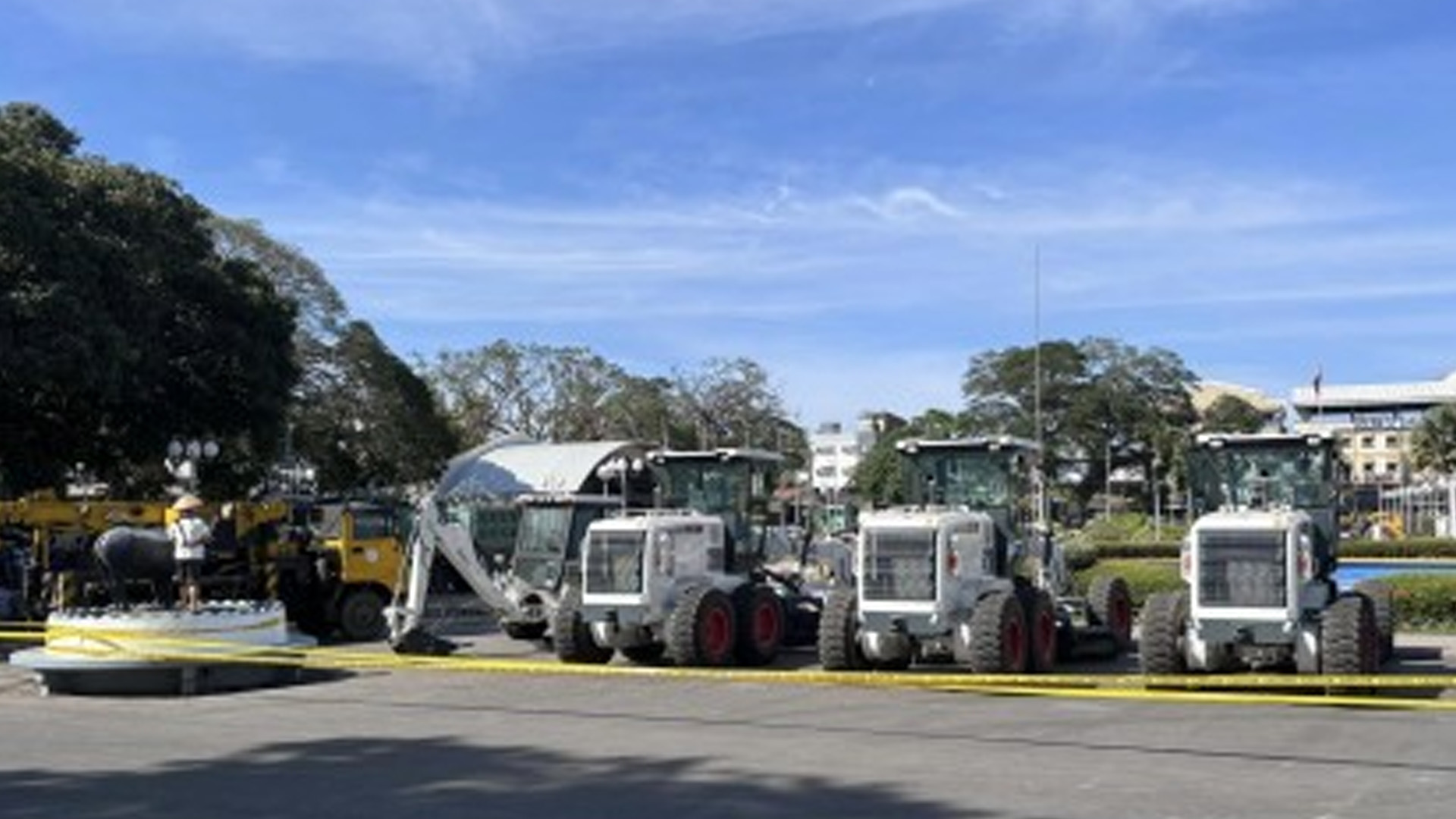
Earlier, Capitol also purchased over PHP100 million worth of tractors which were distributed to the different local government units to help the El Niño-affected farmers.
Meanwhile, the province hit its highest heat index level at 43.5 degrees Celsius at 1 p.m. Monday.
The weather bureau predicted that it may go up in the coming days.
Adrian Sedillo, who heads the Provincial Disaster Risk Reduction and Management Office (PDRRMO), said that based on the reports of the Philippine Atmospheric, Geophysical and Astronomical Services Administration (PAGASA), Negros Oriental logged the highest heat index on Monday.
He said they are monitoring two PAGASA stations – the Dumaguete station in Negros Oriental and the La Granja station in La Carlota, Negros Occidental. (PNA)


