



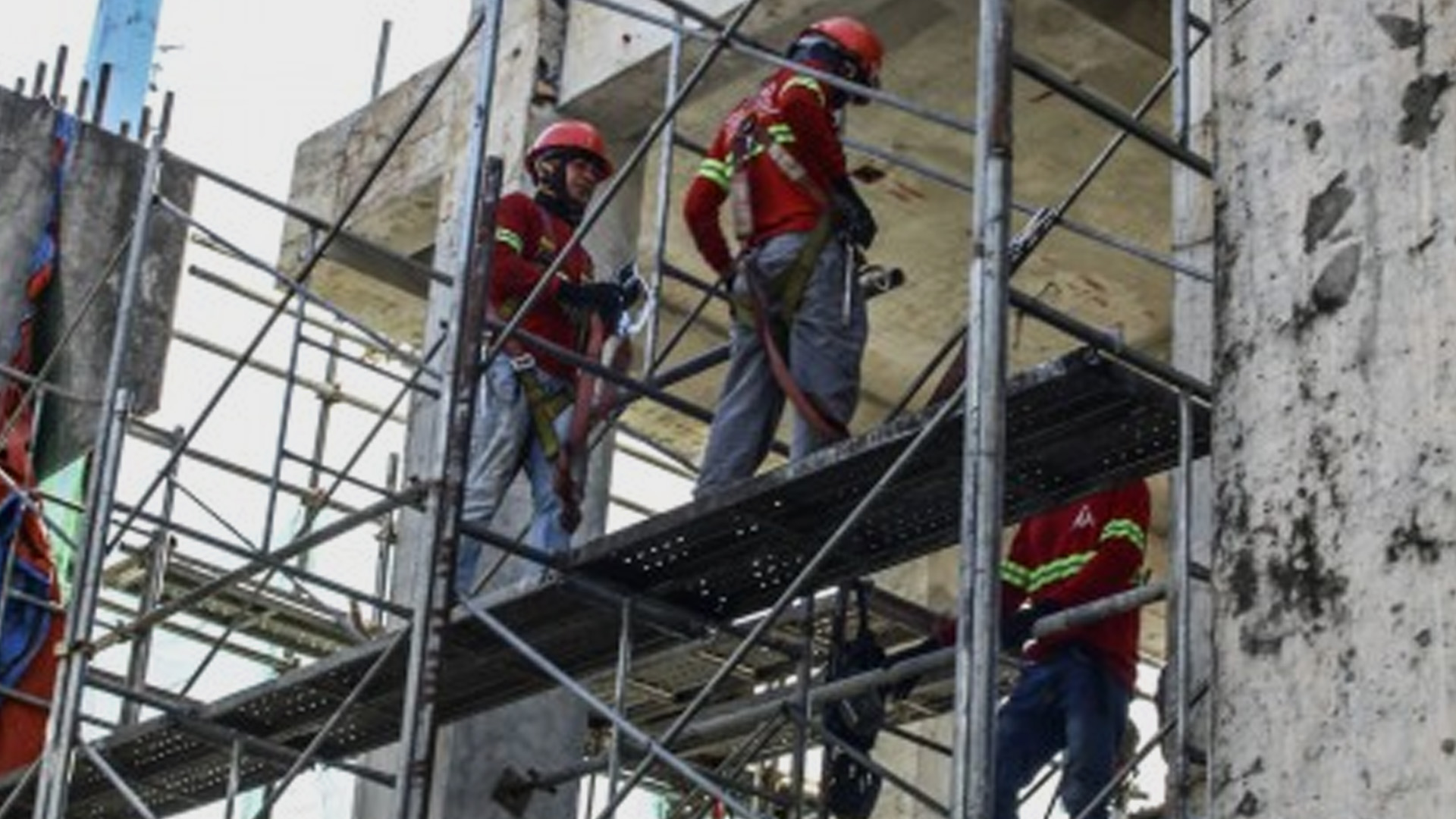







With construction activities expected to surge during the dry season, the Department of Trade and Industry (DTI) has ramped up efforts to prevent the sale of substandard building materials in the local market.
“We’re going to strengthen our drive against substandard materials…as part of the job of the Fair Trade Enforcement Bureau. We’ve been meeting about this and I have asked them to come up with other ideas so that we can catch (those that sell substandard products),” DTI Secretary Ma. Cristina Roque said in an interview over the weekend.
Roque emphasized that Task Force Kalasag (Shield), established last year to combat substandard products, will lead the efforts.
Earlier this month, the task force seized 20,815 units of non-compliant steel and other materials worth PHP1.44 million.
Roque said the DTI has included construction materials in the list of products under the Tatak Pinoy Act, which should be prioritized by government agencies for their projects.
“We have to make sure that first, they’re compliant, and that they’re (made by) Filipino manufacturing companies. And thirdly, they have to make sure also that they really pass the criteria of the Tatak Pinoy law, which has set a set of guidelines to qualify,” she added.
Republic Act 11981 or the Tatak Pinoy (Proudly Filipino) Act states that in collaboration with the private sector, “the state shall continuously support domestic enterprises in producing and offering products and services of increasing sophistication, generating safe and decent employment, crating sound supply-chain management systems, and adopting green technologies in production practices and in the formulation of a long-term sustainability criteria.”
The state shall encourage the continuous improvement, expansion, and diversification of the productive capabilities of domestic enterprises and their linkages with local, regional, and global value chains; and ensure that its initiatives to support domestic enterprises are market-driven or are in anticipation of future market demand. (PNA)


