



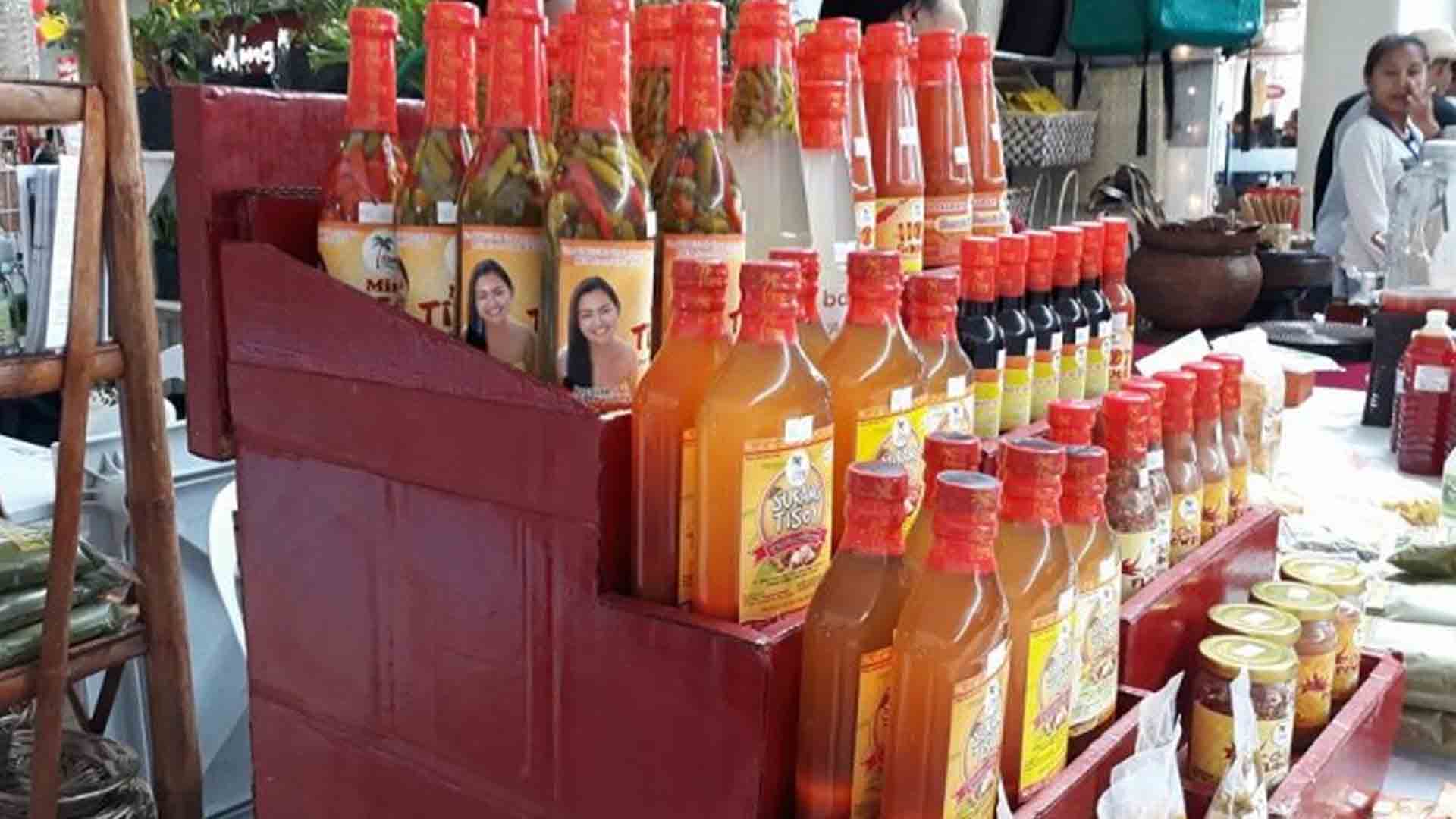






The Department of Trade and Industry (DTI) in Negros Oriental province is assisting micro, small, and medium enterprises (MSMEs) engaged in packed food selling to comply with the requirements of the Food and Drug Administration (FDA) for a license to operate.
Maribel Sumanoy, officer-in-charge of DTI-Negros Oriental’s MSMEs Development Division, said on Friday that many MSMEs are still non-compliant with FDA standards, the reason why they could not sell their products.
The FDA here had already started taking down pre-packaged food products from supermarkets and groceries for failure to comply with the requirements, she said.
Due to the stringent FDA requirements, many MSMEs are now feeling the brunt of sales losses because of such policy.
MSMEs engaged in producing pre-packaged processed food products like chicharron, chorizo, local delicacies, special vinegar, delicacies, virgin coconut oil, and even cosmetics are required to have a separate production facility outside of their homes and must comply with the prescribed standards, she said.
The processing area is the biggest setback of the MSMEs as many are involved in small-time businesses and cannot afford it, she added.
The Food Safety Act of 2013 stipulates a lot of provisions that cover MSMEs and for the past years was not fully implemented by the Department of Health through the FDA, she noted.
With the ASEAN (Association of Southeast Asian Nations) integration agreement in 2015, with the free flow of goods and services without tariffs, member countries strengthened their requirements for products coming from the Philippines.
“So we also have to do the same and implement stringent requirements for products coming from our ASEAN neighbors to conform to our standards and requirements,” she said partly in Cebuano.
On top of the FDA requirements, MSMEs also need to secure a mayor’s permit and a business permit, among others.
While many MSMEs are already processing their documentary requirements, Sumanoy said Negros Oriental only has one FDA officer assigned here and nearby Siquijor province, which has slowed down the process.
Sumanoy is urging MSMEs in Negros Oriental to start complying with the FDA requirements while the DTI provides education and awareness to hopefully “change the attitude of the MSMEs”.
The DTI official could not give an exact figure of MSMEs in Negros Oriental as many are not registered and others are operating their businesses online. (PNA)


