



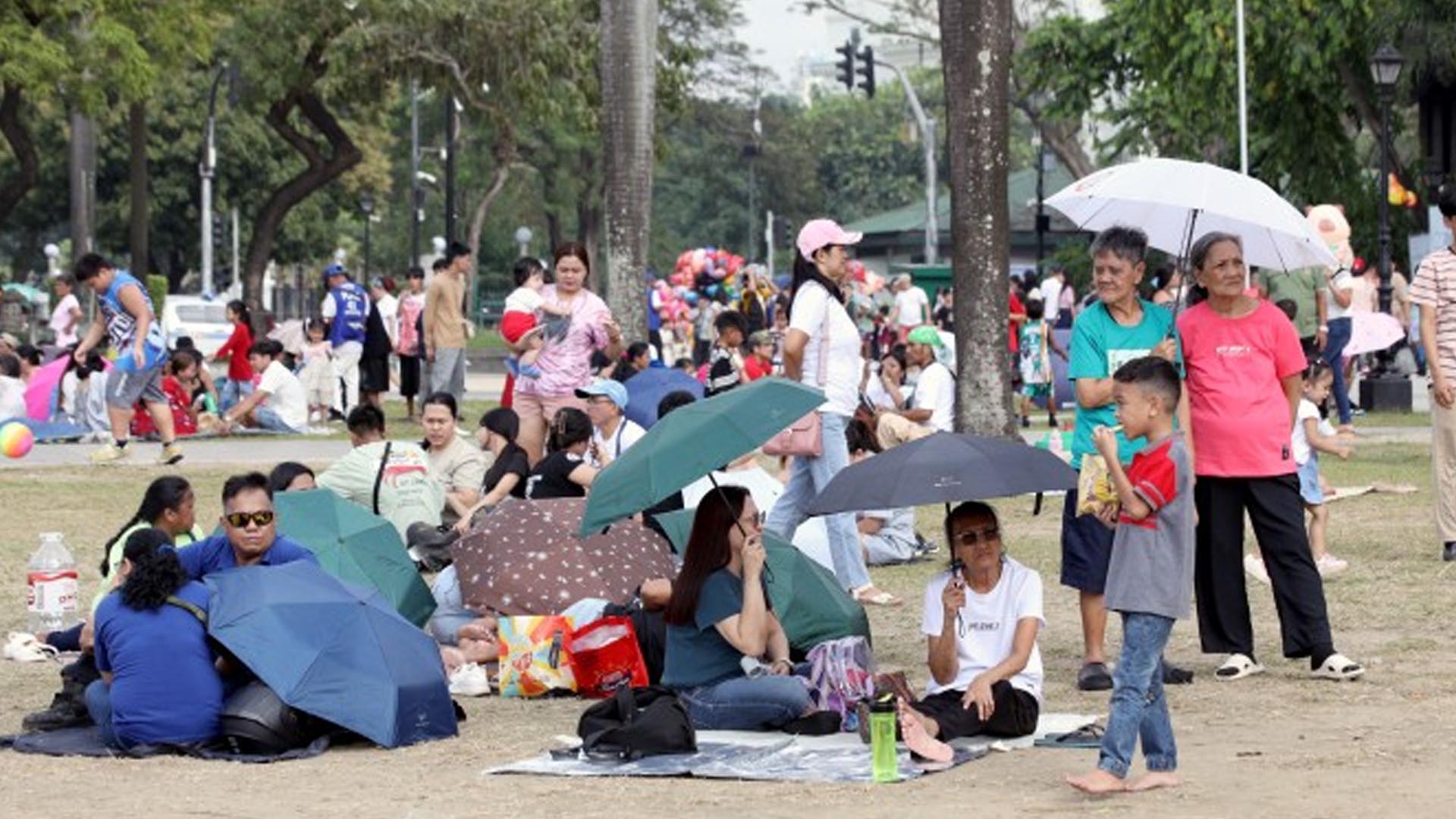






Strengthening of families as a foundation of a resilient regional community will take center stage in the Department of Social Welfare and Development’s (DSWD) chairship of the 2026 Association of Southeast Asian Nations (ASEAN) Socio-Cultural Community (ASCC).
The ASCC is one of the three pillars of the ASEAN Community, which focuses on people-centered initiatives.
“Our ASCC meet is anchored on the theme ‘RISE ASEAN,’ the significance of having resilient and empowered families across the ASEAN region will be among the lead discussions in this year’s ASCC Council,” DSWD spokesperson Assistant Secretary Irene Dumlao said in a news release on Saturday.
The ASCC focuses on four priorities, highlighted under the acronym “RISE” – Resilient and empowered families; Inclusive development; Smart youth and innovation; and Environmentally sustainable and food-secure future.
For the first priority initiative, Dumlao said, the DSWD reemphasized that the family, as the basic unit of society, is a substantial driving force for realizing an inclusive and sustainable ASEAN region.
“Family bonds are very strong in ASEAN cultures, with people relying on their families for daily support, love, and essential needs. Because of this, family is a core part of the social support system,” she said.
“A growing consensus among ASEAN member states is to promote family resilience through improving social protection mechanisms and development programs and policies that will help ASEAN families withstand and quickly recover from difficulties or crises.”
According to Dumlao, empowering families involves ensuring they are strong, resilient, and healthy.
Aside from focusing on economic support, she said, the DSWD’s chairship also gives significance to enhancing care systems critical for providing children an enabling environment to grow.
“The DSWD, as ASCC chair, reiterates the importance of giving children a caring and nursing family and community environment, to include those abandoned and neglected who are currently in the centers and facilities,” Dumlao said.
In the Philippines, more than 4,000 children are waiting to have a family and a forever home between 2023 and 2025.
She said these children deserve to be placed in loving homes, with a family to call their own, instead of spending their formative years in centers or residential care facilities.
“Shifting toward family-based care systems is one of the key initiatives that the DSWD’s chairship will focus on in this year’s ASCC. We want to encourage a transition from long-term residential care facilities to family-based alternatives, such as foster care and kinship care arrangements. This will help children under the care of centers and residential care facilities to grow up in protective and nurturing family environments,” Dumlao said.
Aligned with the ASEAN Community Vision 2045, the Philippines 2026 chairship will be under the theme “Navigating our Future, Together.”
The overall theme underscores the importance of addressing current and emerging challenges and proactively working towards shaping the direction of ASEAN, leading towards a resilient, dynamic, and people-centered region. (PNA)


