



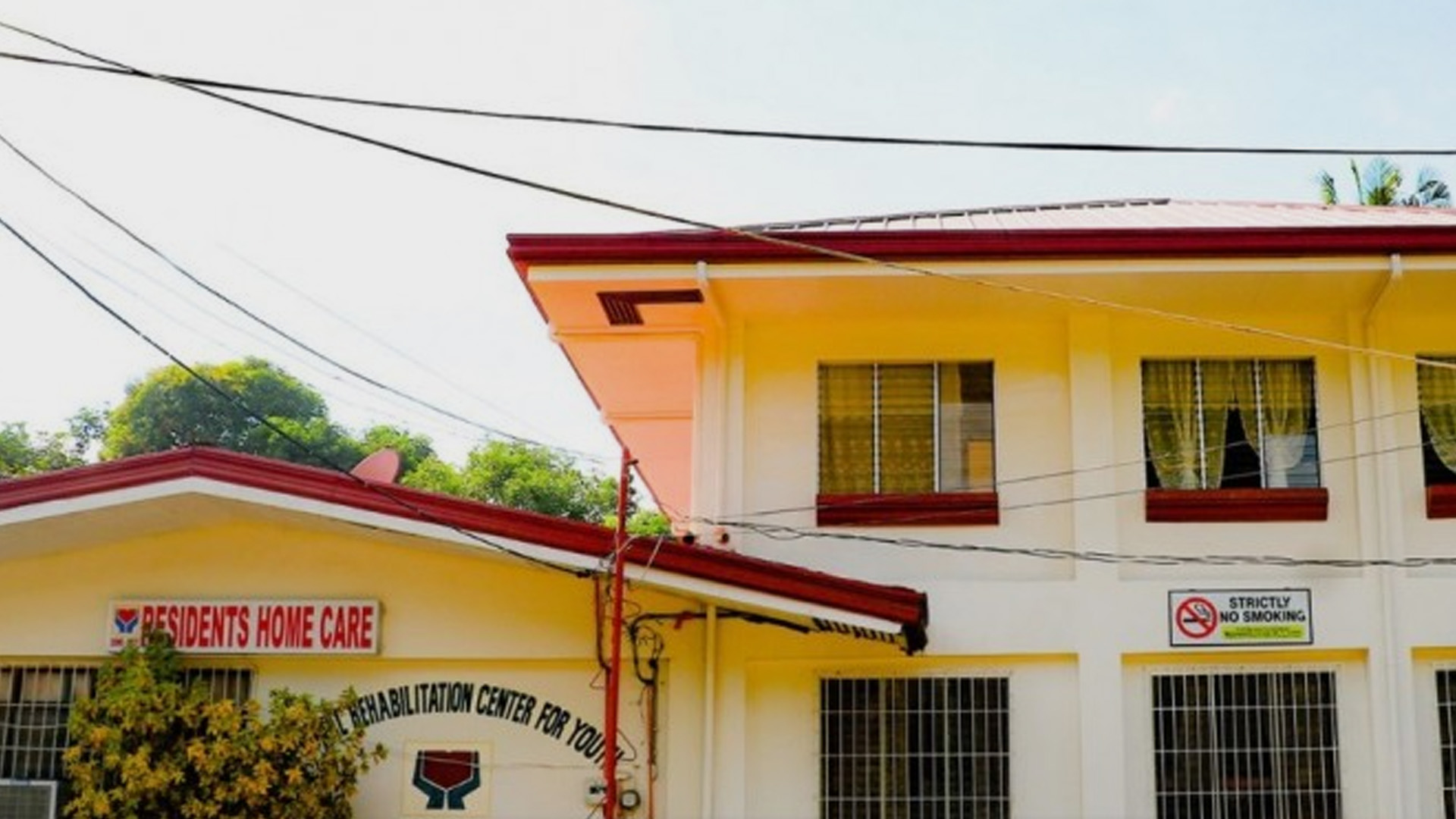






The Department of Social Welfare and Development (DSWD) has a total of 76 centers and residential care facilities (CRCFs) nationwide which are catering to all age groups.
“From children sector hanggang doon po sa ating older persons’ sector, kasama po at pinagsisilbihan natin dito sa DSWD (up to our older persons’ sector, we are providing them services here at DSWD),” Assistant Secretary for Statutory Programs Ada Colico told reporters during the Thursday Media Forum at the DSWD central office in Quezon City.
She said that residential care services are the alternative form of family care providing 24-hour group living on a temporary basis to individuals whose needs cannot be adequately met by their own families and relatives over a period of time.
Center-based services, on the other hand, are rendered in non-residential facilities on a daily basis or during the day, addressing immediate crisis or developmental concerns of an individual, group or family.
Colico said clients of non-residential care facilities have families to return to after a brief treatment or after undergoing developmental activities.
“Particularly, we have 26 facilities catering to the children sector; for the youth sector we have 16 facilities; for the women sector we have 17 facilities; for the older persons we have four; for the family we have five; and ten for persons with disabilities,” she said.
Services for children
For the children sector, there are DSWD-operated residential care facilities nationwide that cater based on the children’s age group and cases.
For children in need of special protection, there are Reception and Study Center for Children (RSCC) for boys and girls ages 0-6 who are abandoned, neglected and surrendered; Haven for Children for boys and girls ages 7-13 who are recovering from substance abuse; Lingap Center for those 7-17 years of age who are in street situation; and Nayon ng Kabataan for 7-17 years old boys and girls who are abused, orphaned, abandoned, neglected, or exploited, among others.
For children and youth in conflict with the law (CICL), the DSWD operates the Regional Rehabilitation Center for the Youth (RRCY); Mimaropa Youth Center; and the National Training School for Boys (NTSB) in Tanay town, Rizal province.
According to the DSWD official, the timeline for rehabilitation of children inside the residential care facilities is around six months, but there are cases where they need to stay longer.
“May special cases kasi na wala nang uuwian na pamilya or ang pamilya ay hindi pa kayang tanggapin ang bata kaya mayroon talagang pagkakataon na talagang nagtatagal sila sa loob ng ating facilities (where the children have no families to go home to or the family do not yet want to accept the child, that’s why there are really times that they stay longer in our facilities),” Colico said.
For children who are already 18 years old but have no relatives to take them, the DSWD facilities prepare them to have an independent living to ensure that they can stand on their own before being reintegrated to the community.
“We provide them skills, values formation, and educational formation,” she said.
The DSWD official also emphasized that all the basic services are available inside the facilities, including psychosocial interventions and educational needs of the children.
“Sa katunayan po, sa Nayon ng Kabataan, mayroon po tayong school facility sa loob mismo at ang Department of Education (DepEd) teachers ay pumapasok doon para sila ang magturo. Sa mga facility na walang school sa loob, pinapapasok natin ang mga bata doon sa kalapit na schools ng ating facilities (In fact, at the Nayon ng Kabataan, we have a school inside the facility and DepEd teacher go there to teach. In facilities where we don’t have schools inside, we enroll the children at nearby schools),” Colico said.
Those who want to help clients inside DSWD-operated facilities has the option of becoming foster parents, send donations or may offer volunteer work, she said.
“Ang aming prinsipyo rito sa DSWD ay mabigyan ng pamilya at tahanan ang ating mga kliyente, lalong-lalo na ang mga kabataan (Our principle here in DSWD is to provide our clients with a family and a home, especially the youth),” Colico said. (PNA)


