



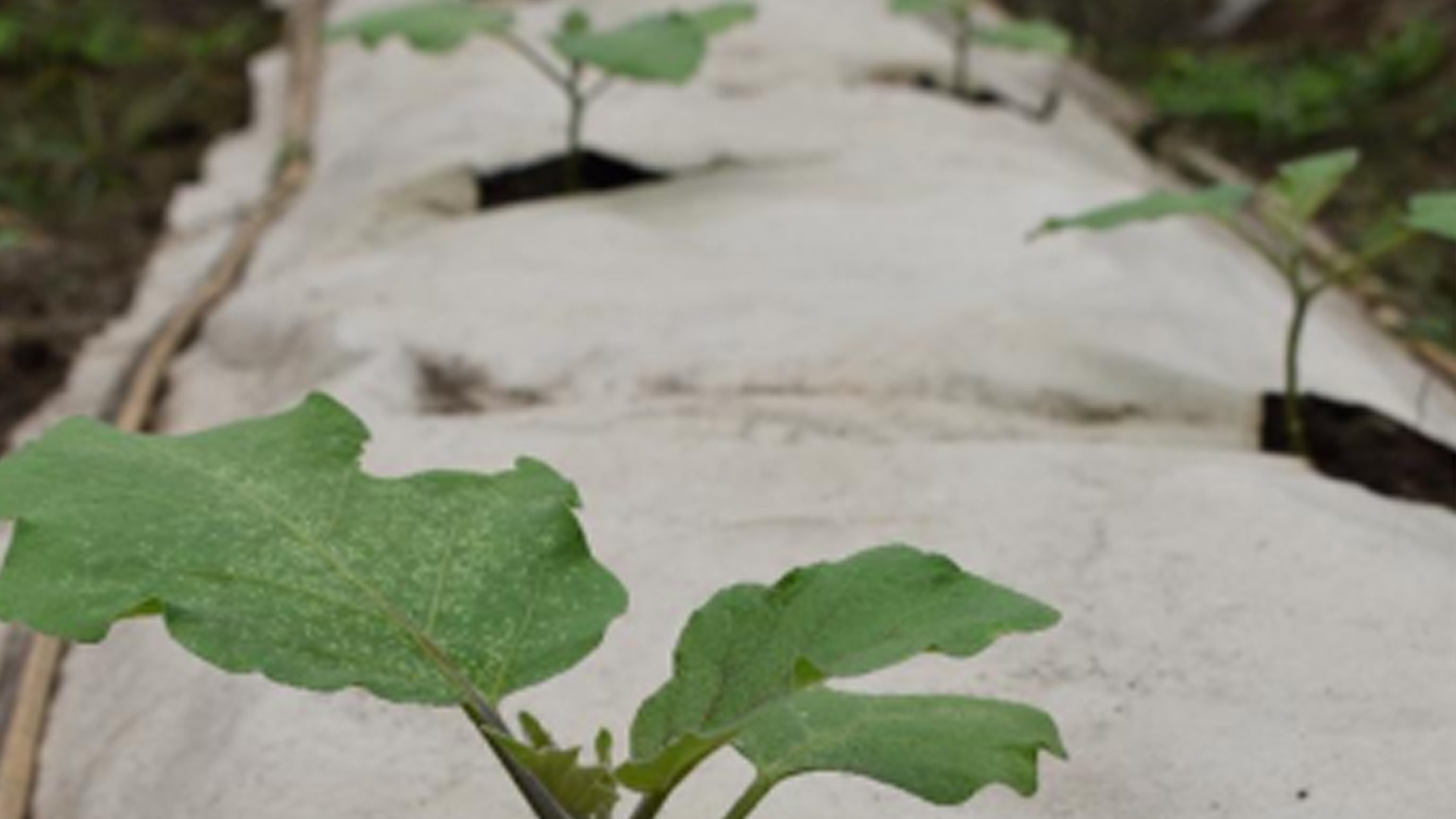







The Department of Science and Technology-Forest Products Research and Development Institute (DOST-FPRDI) has developed biodegradable paper mulch from waste materials to reduce reliance on synthetic and polymer-based materials in farming.
Engr. Cesar Austria, DOST-FPRDI’s senior science research specialist and project leader, said in an interview Thursday that the eco-friendly material is expected to benefit organic vegetable farmers and other agricultural practitioners who rely on plastic mulch.
“Mass production is the main goal of this project, subject to the results of the field trials. Should field tests be successful, we expect to benefit organic vegetable farmers and other agricultural field practitioners dependent on plastic mulch,” Austria told the Philippine News Agency.
The paper mulch, which took two years to develop, is made from locally sourced biodegradable materials, consisting of 20 percent abaca-stripping waste and 80 percent old corrugated cartons. It breaks down easily in soil, providing nutrients to crops, reducing weed growth and pest populations, conserving soil moisture, and maintaining stable temperatures compared to synthetic alternatives.
Austria highlighted that the technology supports sustainable agriculture by improving soil health, enhancing crop yield, and minimizing the environmental impact associated with traditional plastic mulches.
The project is undergoing field trials, with another round of piloting activities planned to refine the product’s properties.
The DOST-FPRDI recently signed a memorandum of agreement with JC Del Mundo Sustainable Farming School in Agoncillo, Batangas, to serve as a demonstration farm, where residents will be trained in organic farming practices using the paper mulch.
DOST Secretary Renato Solidum Jr. said the paper mulch innovation addresses the increasing demand for sustainable materials and practices in agriculture.
“Paper mulch technology is one of the innovations that is set to address the increasing demand for sustainable materials and practices in agriculture in our country. It will particularly help address the rising concerns about plastic pollution and soil degradation,” Solidum said.
The initiative is poised to contribute to more sustainable and productive agricultural systems in the Philippines. (PNA)


