










As the coronavirus disease 2019 (Covid-19) pandemic accelerated the digital shifts, competition policy shall remain in place to ensure an inclusive digital economy, Philippine Competition Commission (PCC) chairman Arsenio Balisacan said Wednesday.
In a webinar of the Asian Development Bank, Balisacan said micro and small enterprises are faced with challenges of competing in the digital economy, as it is still dominated by established large enterprises.
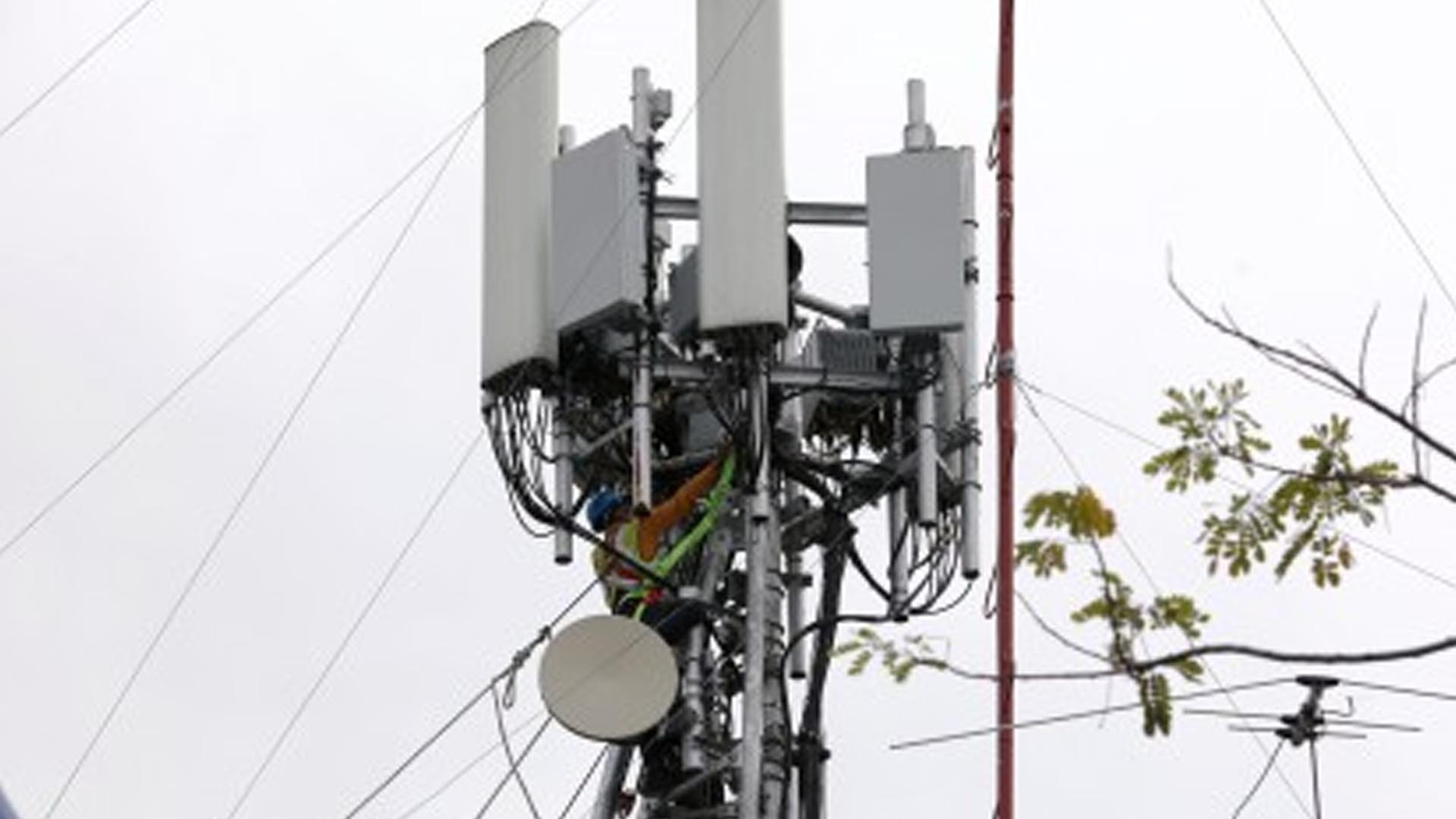
“MSMEs (micro, small and medium enterprises) and the poor suffered unequal access to digital platforms due primarily to poor connectivity. For example, penetration of high-speed broadband connection is low primarily because of unstable, slow, and expensive internet connection,” he said.
Balisacan added 60 percent of households in the Philippines do not have access to the internet. There is also a low penetration to high-speed broadband connection.
In terms of penetration to high-speed connection, the Philippines is lagging among its Southeast Asian neighbors, he said.
“The future of this market, the online platform, is that first-mover advantage is the key,” he added.
Since established enterprises still dominate the digital market, the innovators, or the new entrants, will face the challenge of acquiring a sufficient scale of the market.
“That’s where competition policy comes in. Because we want to ensure that innovation is not precluded, the barriers to entry are eliminated so that first-mover advantage should not be (a) permanent feature of these markets, otherwise inclusivity will not happen,” Balisacan said.
He said poor access to cheap and high-speed connection will only exacerbate existing inequalities amid the fast growing digital economy.
There should be a proactive and whole-of-government approach in addressing these challenges to make digitalization as a catalyst for inclusive recovery, he added. (PNA)


