



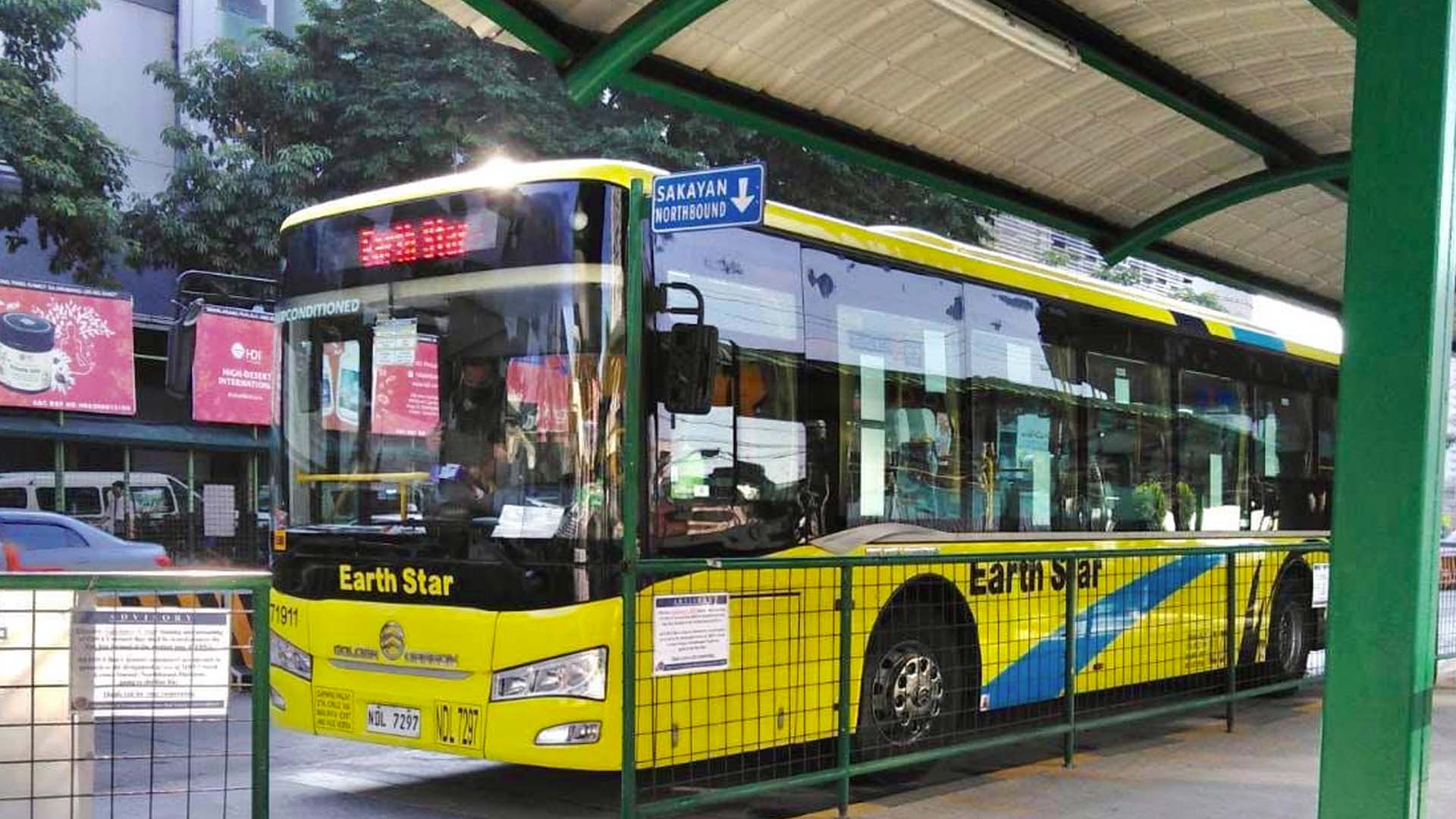






In cities with a limited number of public transport vehicles plying the road, the commuting sector is asking government to consider increasing jeepney’s seating capacity to augment the riding needs of its passengers while urging the Department of Health (DOH) to release disaggregated data to show that the public transport is a source of COVID-19 cases.
The National Center for Commuters’ Safety and Protection (NCCSP) have reported passengers seen lining up in long queues at loading and unloading stations, and even competing for rides to avoid waiting lines during rush hours.
“Due to the limited seating capacity, more commuters are becoming concerned that they are at higher risk of infection the longer they stay stuck in lines waiting for rides,” said NCCSP Chairperson Elvira Medina.
Medina also called on the Department of Health (DOH) to show data that the public transport was pinpointed as the source of transmission in the most recent spike of cases as it causes unfounded fear among commuters who are eager to return to work.
“DOH has to release a breakdown on the COVID-19 cases, specifying the number of cases tied to the public transport. If we do not have the data, we are worried that there might be a call again to stop public transport and interrupt business operations once again. Our commuters need to earn a living. They are the backbone of our economy’s revival” Medina pointed out.
Medina added that with the reopening of more business establishments and the return of office-based work, a move initiated by government to aid in the country’s economic recovery, employees and workers are relying more on public transport vehicles to safely ferry them to and from work.
However, the seating capacity limitations still in place among public utility vehicles (PUVs) are posing challenges on the swift resumption of commuters to office work operations.
“But if we reconsider increasing seating capacity or increase the number of public transport units, I am assured that the commuting public and the transport sector will still follow the previously implemented protocols of wearing of face shields and face masks. Public transport vehicles have also been diligent in their sanitation practices such as disinfecting after rides and using foot baths prior to loading in passengers.”
In hopes of appeasing commuters, the NCCSP is reminding passengers to abide by social distancing measures and to ensure their own safety through personal sanitation practices.


