



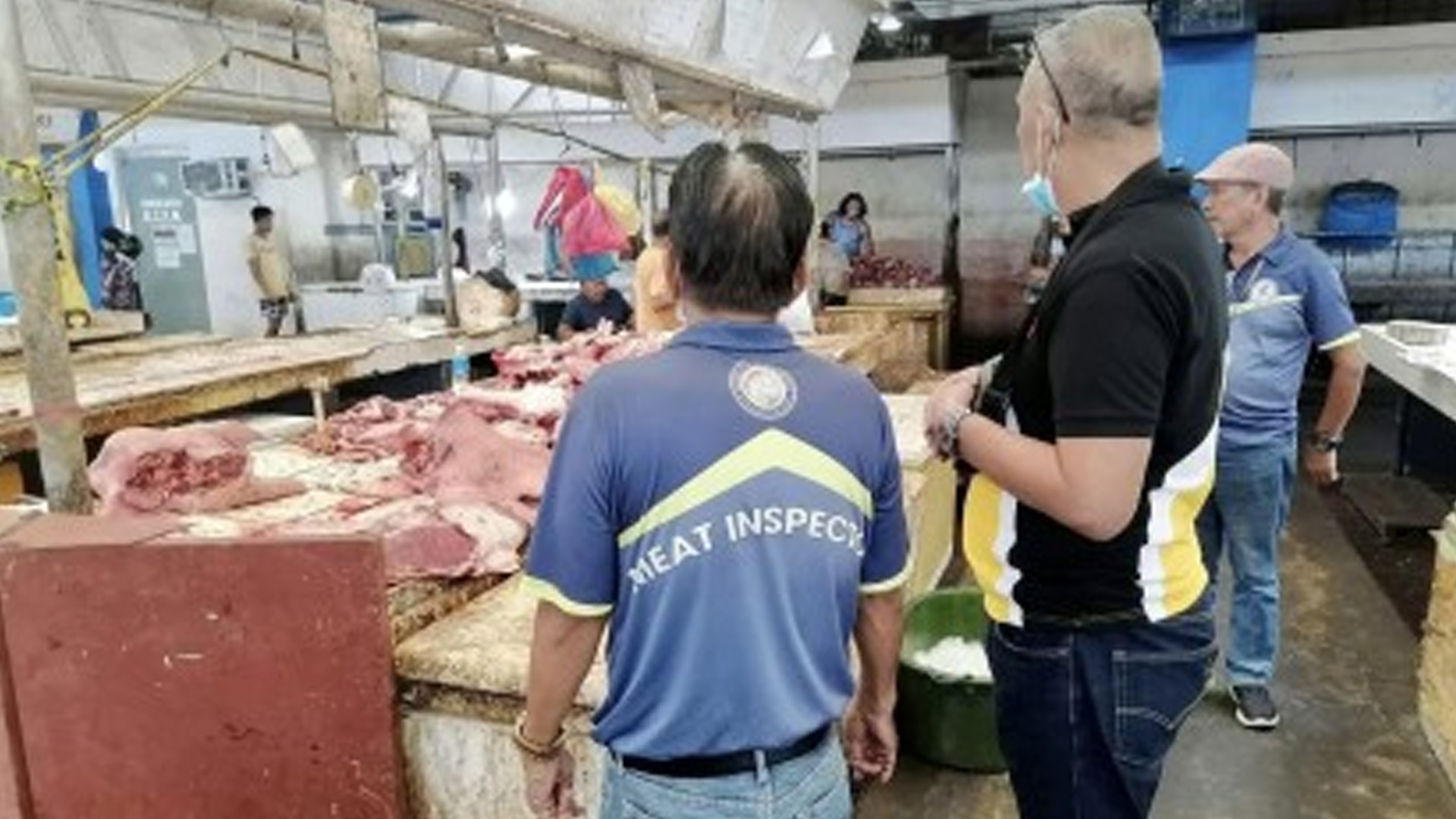






Despite the African Swine Fever (ASF) scare, there will be enough pork meat, especially the well-loved lechon (roast pig), during the Christmas season, an official of the National Meat Inspection Service (NMIS) here said on Friday.
Hannah Lou Ejercito, meat inspector and consumer protection head of NMIS-7 (Central Visayas), said meat consumers could expect enough supply during the holidays following the agency’s effort to intensify the certification system for locally butchered meat.
“Here in NMIS, we can assure you there will be an available supply of meat on Christmas. As the holiday nears, inspection will ensure the meat slaughtered and offered for sale in the market are fit for human consumption,” Ejercito said.
The NMIS-7 field office ensures that the meat delivered to the market came from accredited sellers, underwent inspection and passed for certification, she said.
She urged consumers to be vigilant when buying meat and not to hesitate asking sellers for the certification, stressing that “meat and certification should go together.”
Meanwhile, the Department of Veterinary Medicine and Fisheries (DVMF) here reminded sellers and handlers to regularly secure permits from the city, especially for their employees and for the products they are selling to avoid being questioned.
The DVMF’s Regulatory Section regularly inspects wet markets and supermarkets to ensure proper documentation.
The DVMF conducts inspections in three processes: ante mortem, post mortem and post abattoir.
Meat inspectors visit abattoirs and slaughterhouses for ante-mortem inspection to determine if the livestock they are set to process are fit for human consumption.
Operators are required to provide health certificates, livestock transport certificates, and other certifications to show the delivered livestock are healthy and humanely transported.
DVMF’s meat inspectors check during post-mortem inspection if the animal had illnesses that cannot be detected while still alive. (PNA)


