



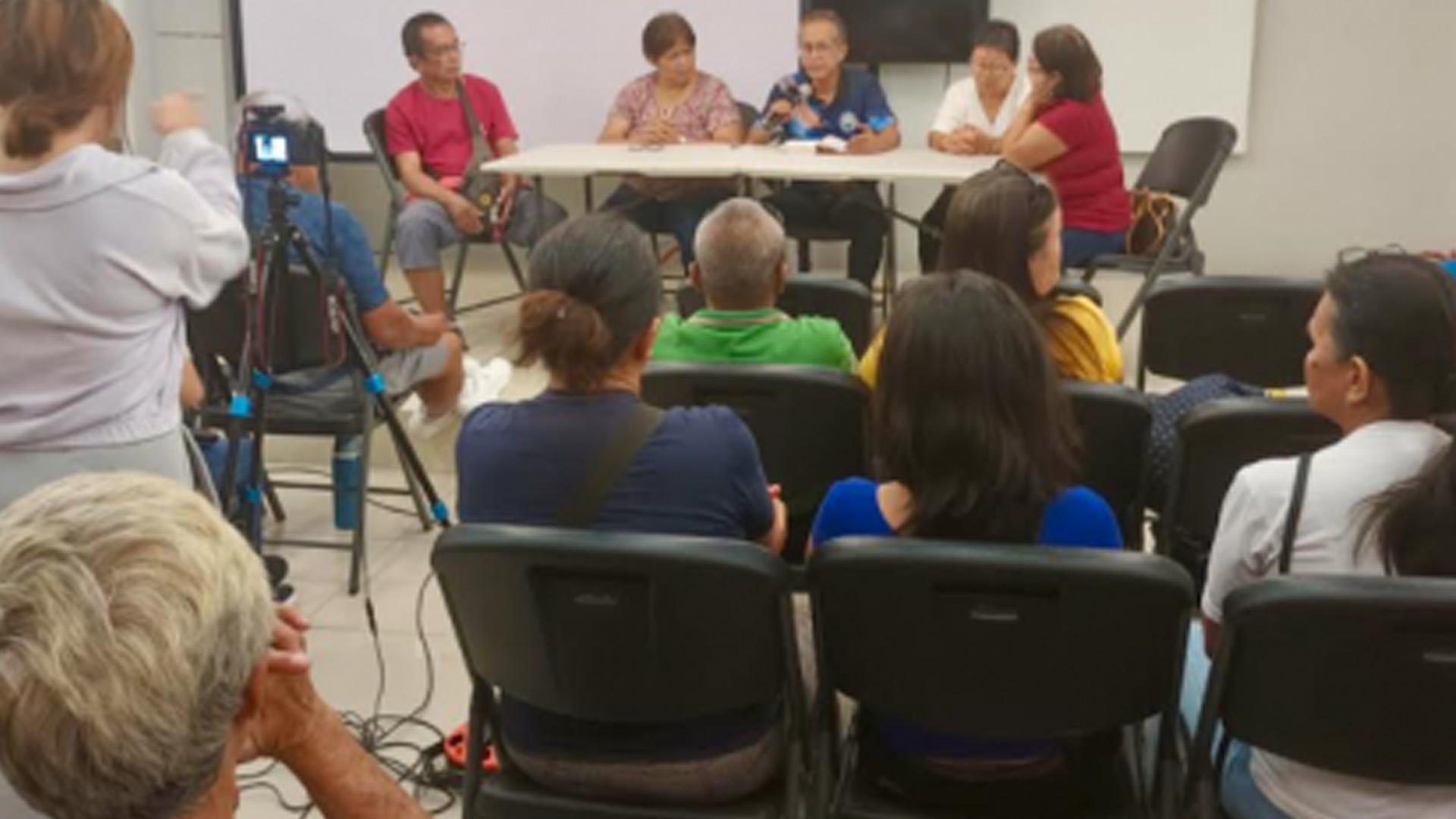






An organization in Cagayan de Oro City has asked the local government to fully implement the existing law that ensures the welfare and protection of the urban poor sector.
In an interview on Monday, Chona Pepana, board member of the Cagayan de Oro Federation of People’s Organizations (Cafedco), highlighted pressing issues within communities, including the concerning incidence of teenage pregnancies, with some involving girls as young as 11 years old.
“We are witnessing these challenges in our communities, yet there are no consistent and comprehensive interventions in place. We are advocating for inclusive and proactive governance that addresses these realities,” Pepana said.
She said Republic Act (RA) 9709, also known as the Magna Carta for the Urban Poor, is the legal framework for establishing mechanisms that guarantee the participation of the urban poor in governance, particularly in programs concerning housing, employment opportunities, healthcare access, and public safety.
Jerry Alquitera, secretary of Cafedco, also recommended the establishment of a dedicated Urban Poor Affairs Office as a distinct department within the city government’s structure.
Alquitera explained that the group has identified persistent issues that necessitate a focused office to ensure continuous attention, improved coordination among relevant agencies, and dedicated allocation of resources, especially concerning the critical need for urban housing solutions.
He also noted that the creation of the proposed office aligns with the provisions of Republic Act 7279, or the Urban Development and Housing Act of 1992. (PNA)


