



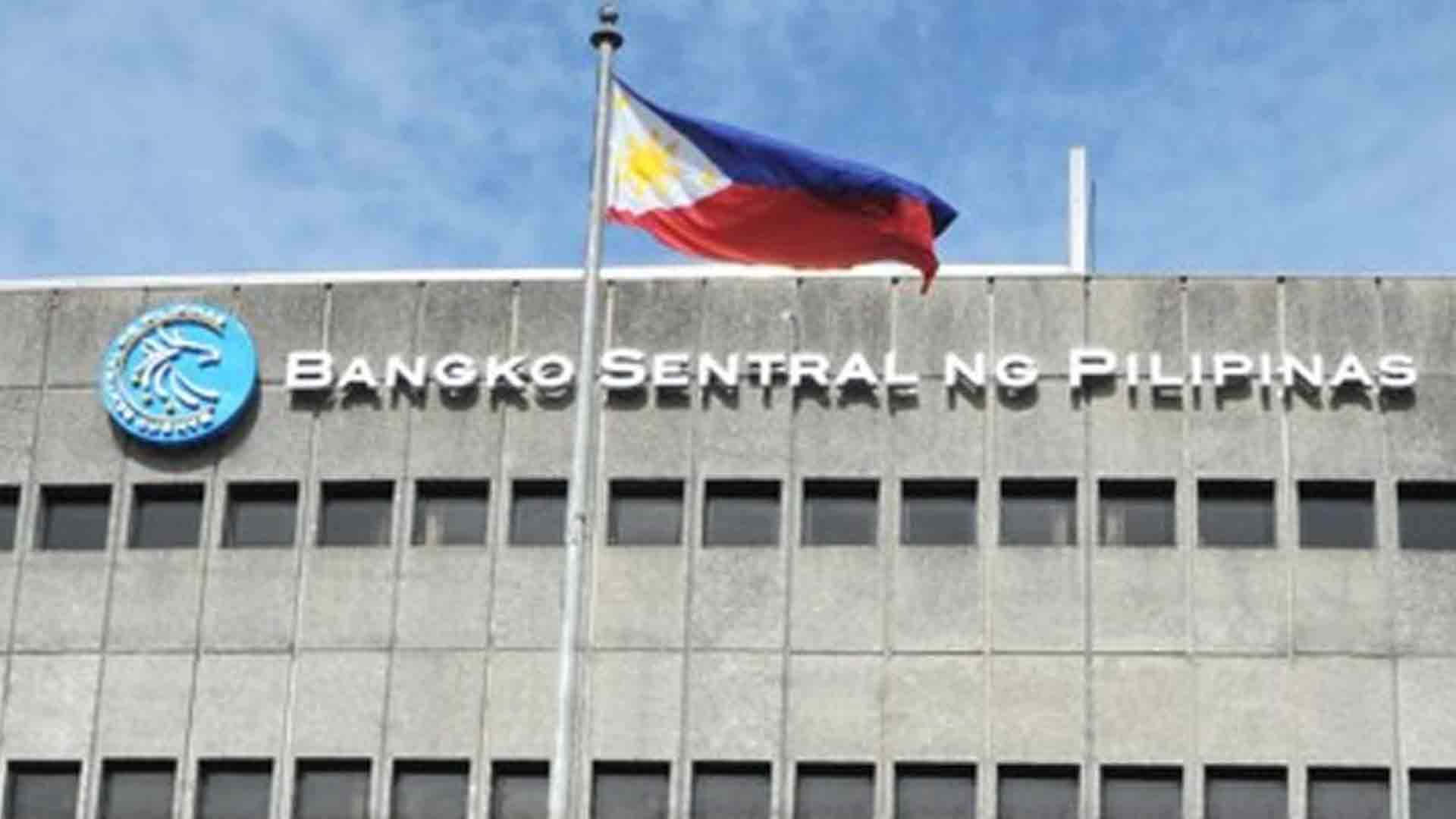







The Bangko Sentral ng Pilipinas (BSP) is working with Digital Payments Transformation Roadmap (DPTR) on pursuing offline digital payment solutions that will boost the financial inclusion of off-grid areas in the country.
On Tuesday, November 30 the BSP released a statement that the central bank is eyeing ‘offline payment’ to enable transactions accessible without the need for an internet connection.
“While an effective and reliable internet connectivity is a necessary condition for digital finance to flourish, the central bank is also pursuing digital solutions to enable ‘offline payments,’” said BSP Governor Benjamin Diokno during the three-day virtual conference of Philippine Economic Society’s (PES).
“The rationale behind the push for financial digitalization is two-fold. First is robust economic growth. Technology speeds up financial transactions, thereby hastening capital recovery and income generation,” Diokno explained.
“Second is financial inclusion. Technology allows the underserved sectors-such as low-income earners and people from remote areas-to easily access affordable financial products and services, including credit for livelihood activities,” he added.
Diokno also discussed digital reforms in the conference that by 2023, the volume of retail payments which is 50 percent will convert into digital form and onboard 70 percent of Filipino adults to the formal financial system.
Source: https://www.bsp.gov.ph/SitePages/MediaAndResearch/MediaDisp.aspx?ItemId=6042


