



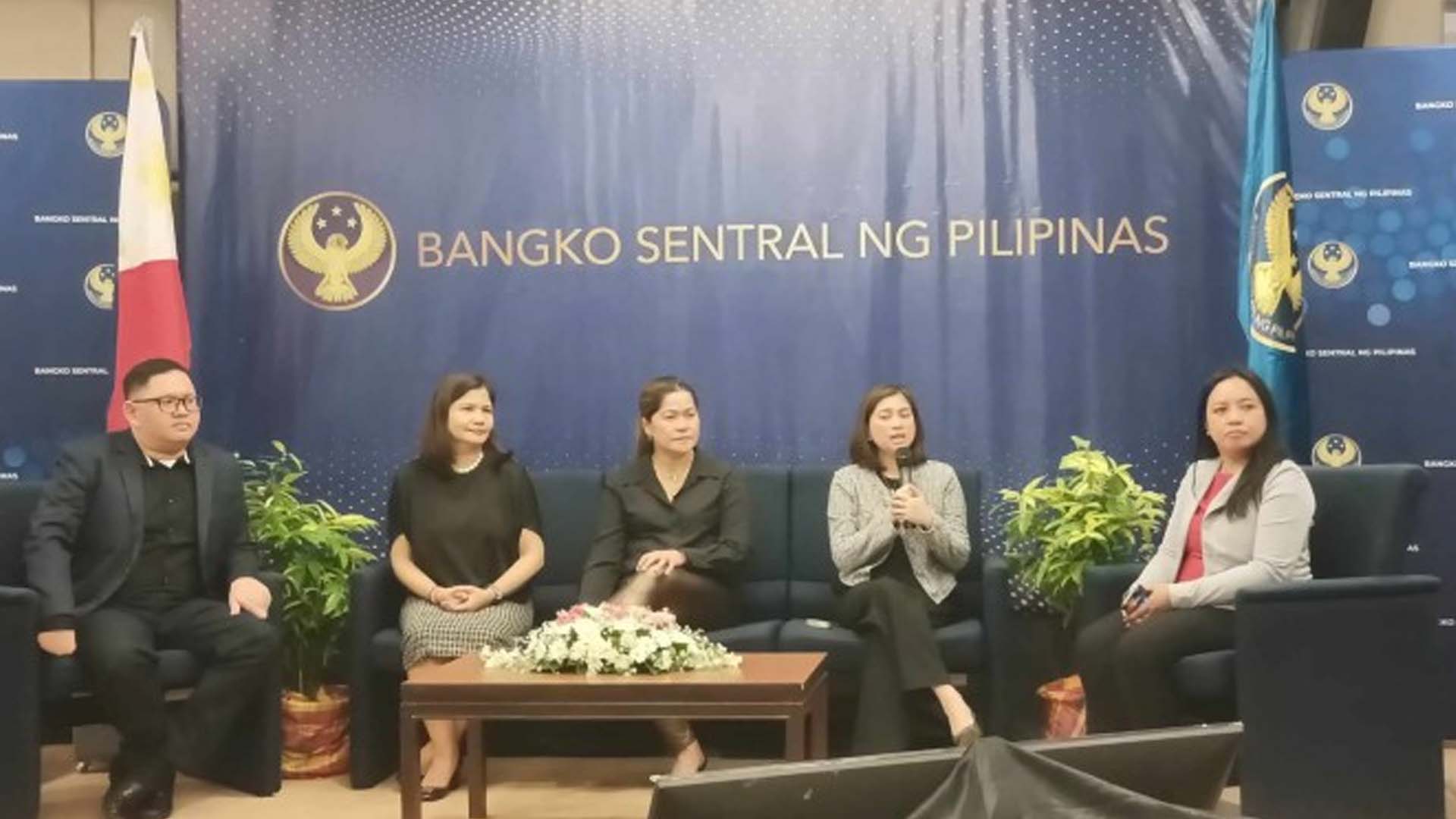







Preference for digital payments in the country is growing based on the results of the 2021 Financial Inclusion Survey, the Bangko Sentral ng Pilipinas said Wednesday.
BSP Deputy Director for Payments Policy and Development Department Tricia Defante-Andres said digital payment channels, such as electronic (e)-wallets provided wider access to financial services for Filipinos.
“It’s very encouraging that as of 2021, the number of Filipino adults that are already in the formal financial institution was already at 56 percent,” Defante-Andres said at a media information session for Western Visayas here.
From 1 percent in 2013, the payments digitalization increased to 52.8 percent in 2023, as per their latest e-payment result.
The figure surpassed the 50 percent target at the end of 2023 under their Digital Payments Transformation Roadmap.
The BSP official said they are promoting the sustained use of digital payments, which are beneficial to consumers, businesses and the government.
With digital payments, consumers enjoy fast, safe and more convenient payments.
There is improved efficiency in businesses due to reduced expenses, while it helped “minimize revenue leaks” in government because of increased efficiency and transparency.
Digital payments continue to be promoted through educational campaigns and lectures, said Andres.
They also engage with other government agencies and collaborate with initiatives that help broaden the program.
“The government is the biggest biller in the country. So if more will utilize digital payments to pay the government, then that can also boost digital payments in the government,” she said.
The possibility of digital but offline payment is also being considered due to challenges on internet connections especially in far-flung areas.
Andres also reminded the responsible use of digital payment by always exercising good cyber hygiene practices.
“Always be safe, exercise good cyber hygiene practices so that the experience of digital payments, they can fully maximize and do not fall victim to scams,” she said. (PNA)


