



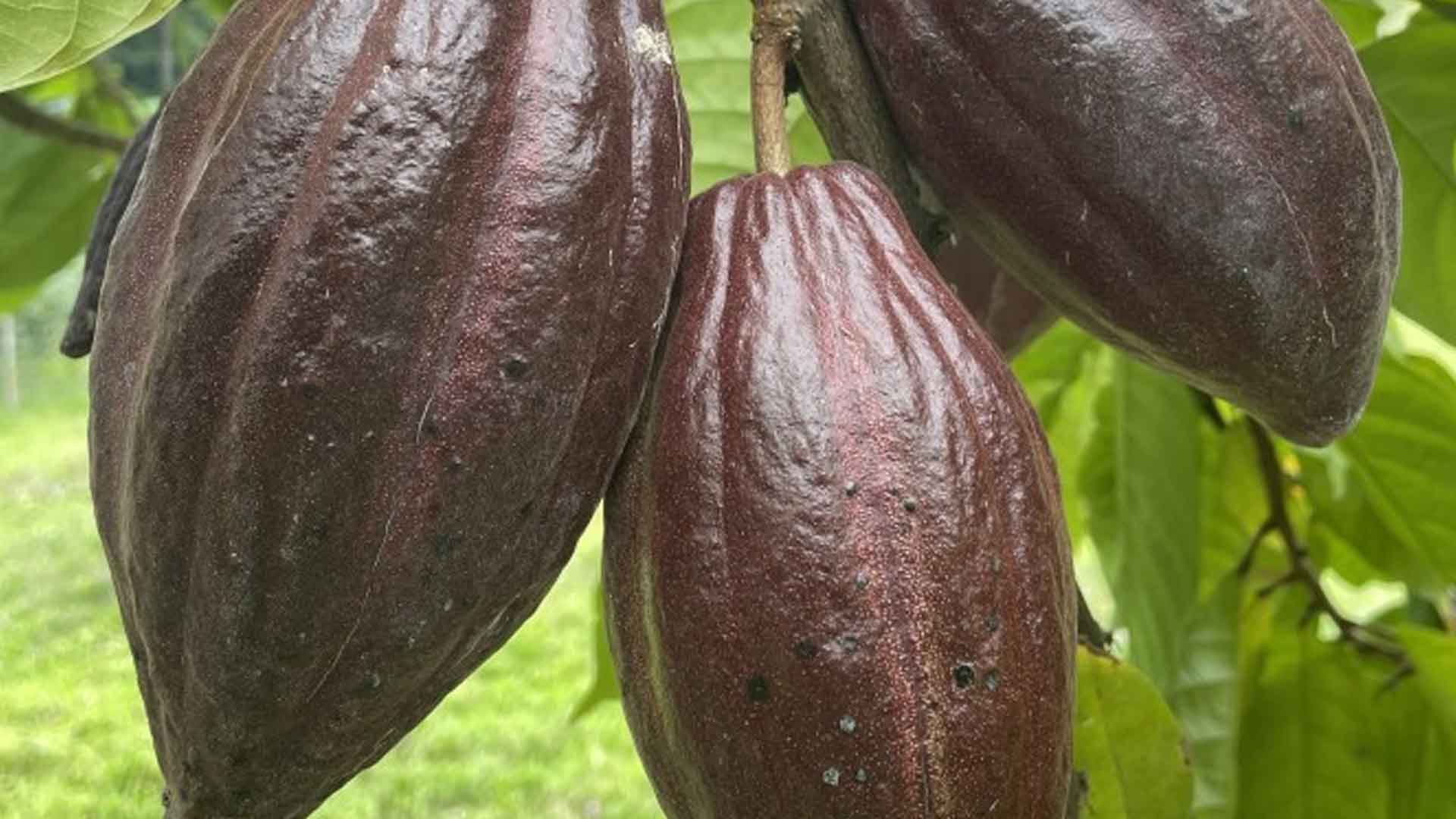







Albay 3rd District Rep. Raymond Adrian Salceda is pushing to develop Bicol’s cacao as a premium regional brand with strong export potential, while welcoming the support for his proposed measure seeking to declare cacao development a priority program for the region.
“We welcome the strong support of the Bicol Cacao Industry Council (BCIC) and the Philippine Cacao Industry Association (PCIA)–Bicol Chapter for HB (House Bill) 4219. More importantly, we appreciate their concrete recommendations on how we can strengthen the measure and ensure that the industry itself plays a meaningful role in shaping the future of cacao development in Bicol,” Salceda said in a statement.
Salceda said the measure should ultimately help Bicolano farmers and enterprises capture more value from the industry, from production and post-harvest processing to chocolate manufacturing and market development.
“When the system is well organized and stakeholders are meaningfully involved, I believe we can build a cacao industry that will create more jobs, provide additional income to farmers, strengthen local businesses, and put Bicol on the map as a source of quality cacao and chocolate,” he said.
HB 4219 establishes the Bicol Cacao Development Program Office under the regional office of the Department of Agriculture.
The proposed office will serve as the regional focal point for cacao initiatives and coordinate programs on production, research, processing, market development, and other interventions needed to help scale up the industry.
The BCIC and PCIA-Bicol expressed support for the bill while recommending amendments that would institutionalize public-private participation in its governance and implementation.
Among their proposals are the creation of a Bicol Cacao Development Governing Board, formal representation for farmers, processors, and industry organizations, and recognition of BCIC as a principal regional private-sector coordinating partner.
“Our goal is not just to create another program, but to establish a sound framework and system where the government, farmers, investors, industry groups, research institutions, and other partners can work together to build a cacao industry in Bicol that is competitive and sustainable,” Salceda added.
The measure also carries particular significance for Salceda as chair of the House Special Committee on Food Security. Strengthening the industry can contribute to food security by improving farmers’ incomes, creating more resilient agricultural livelihoods, encouraging value-adding and rural enterprise development, and diversifying economic opportunities for farming communities. (PNA)


