









The Department of Agriculture (DA) has provided PHP40 million to the provincial government of Albay to help revitalize the abaca plantations that were damaged by Typhoons Quinta, Rolly and Ulysses in 2020.
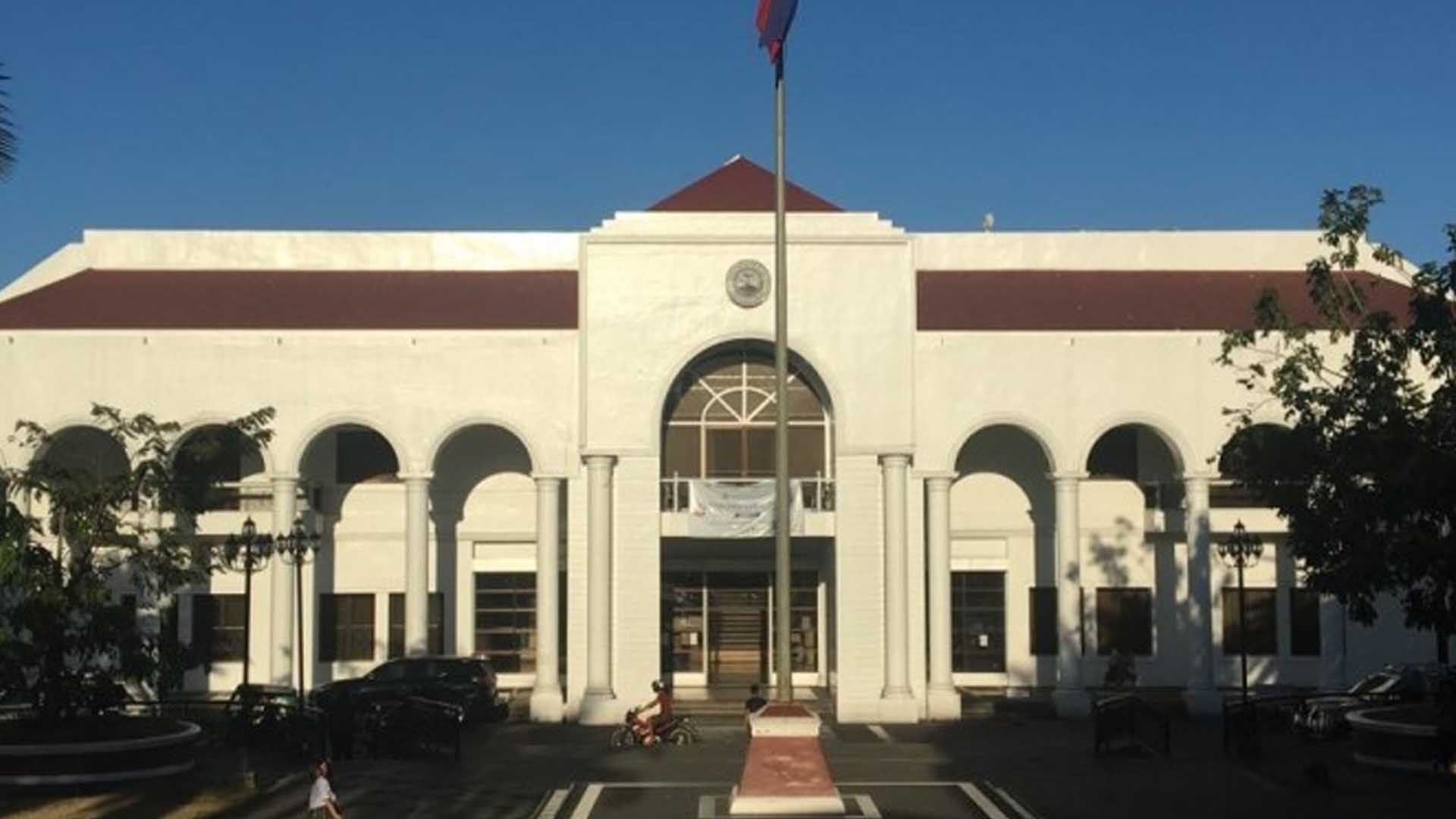
In an interview on Wednesday, DA-5 information officer Lovella Guarin said DA Bicol regional executive director Rodel Tornilla turned over to Albay Governor Edcel Greco Lagman the funding for the abaca rehabilitation program on Tuesday.
Guarin said the amount was sourced from the DA’s quick response fund for those affected by disasters.
“The amount was based on the validated damages from the previous typhoons, aside from our regional office, a team from the DA Central office will be monitoring the program,” she added.
In a social media post, Lagman said the Bicol Region is the number one supplier in the country of abaca which is the second permanent crop in the region, next to coconut.
“Abaca fibercraft is a commodity that will open the doors for local entrepreneurs. It is also the secondary source of income for farmers in the province of Albay. Agriculture is the driver of our economy. Being an economic pillar, instrumental in propelling robust economic growth and development in the region, it helps promote tourism,” he said.
“Abaca is a high-value crop gifted to us by Bicolanos. It is a commodity of commerce and a dependable source of livelihood for the majority of the constituents. It is multi-purpose, usually used for handicrafts, and for clothing, too,” he added.
Lagman also thanked the people and departments involved in the abaca rehabilitation program meant to boost agriculture.
The program will benefit over 3,000 local abaca farmers and 4,200 hectares of land area.
Abaca planting materials, fertilizers and chemicals that will be used for the rehabilitation program will be procured by January 2023. (PNA)


