



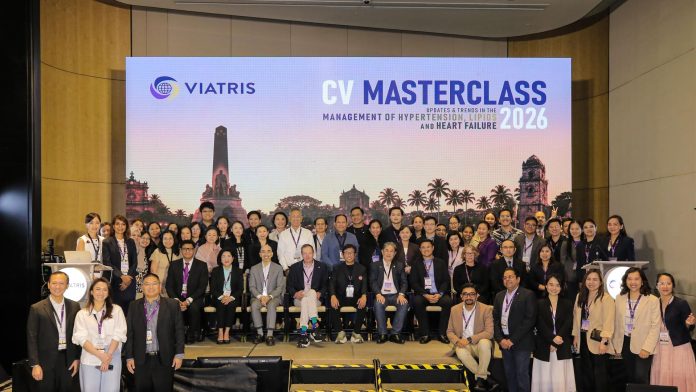






Viatris Inc. (Nasdaq: VTRS), a global healthcare company, recently convened the CV Masterclass 2026 in the Philippines, gathering healthcare professionals from diverse specialties and countries in Southeast Asia for a regional dialogue on advancing cardiovascular care. Cardiovascular diseases (CVDs) remain the leading cause of death and illness worldwide, with Asia bearing a disproportionate share of the burden. In 2021, the region accounted for more than 61% of all global CVD deaths, a figure expected to climb steadily in the coming decades. Between 2025 and 2050, projections from the Institute for Health Metrics and Evaluation (IHME) and the Global Burden of Disease (GBD) indicate a 91.2% rise in cardiovascular mortality, reaching 24.1 million deaths by 2050. This alarming trajectory underscores the urgent need for stronger, coordinated action across the healthcare ecosystem to curb the projections and establish scalable, sustainable models of prevention and long‑term care.
Viatris draws on a longstanding legacy in cardiovascular health through its broad portfolio spanning the continuum of care – from risk management and prevention to the treatment of complex conditions. Through its focus on research, treatment, education, advocacy, partnership, and innovation, the company continues to address areas of significant unmet medical need, while supporting better patient journeys.
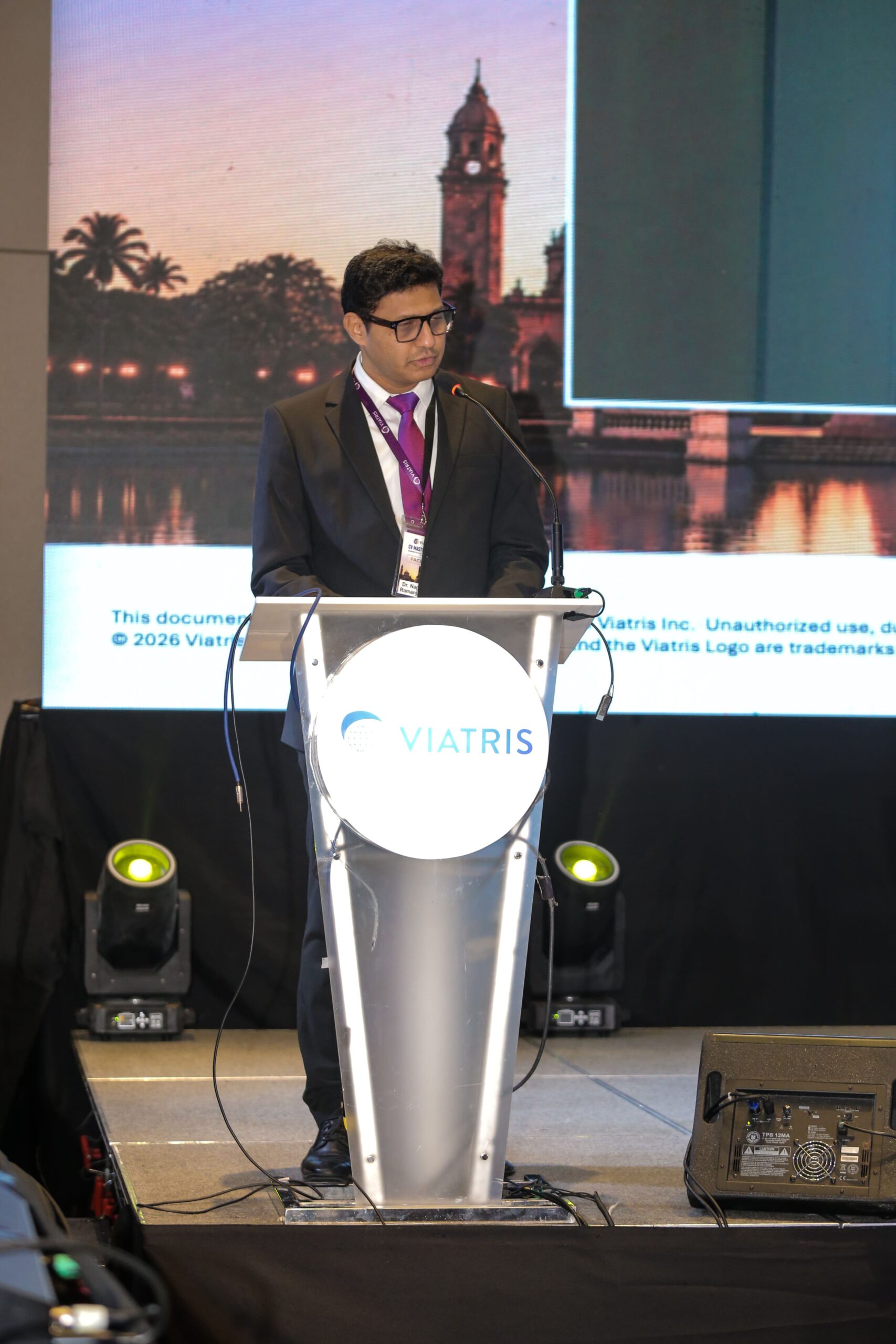
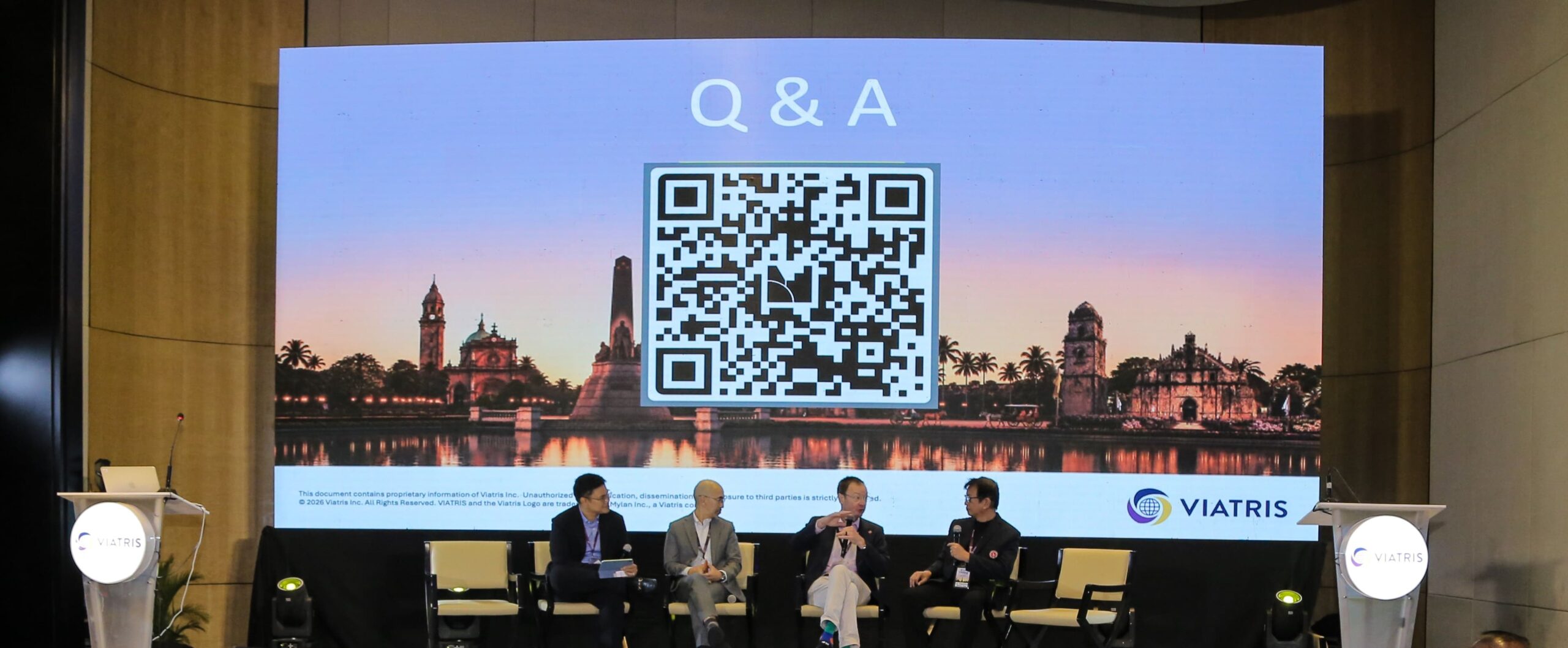
Held face-to-face in the Philippines, the one-day CV Masterclass served as a regional platform for discussions grounded in scientific evidence and real-world clinical experience. Across presentations, discussions, and Q&A sessions, 101 participants explored key challenges and developments in cardiovascular health, such as hypertension, lipids, and heart failure management, blood pressure variability, and digital solutions. They also examined how international evidence and guidelines can be considered within the Asian context, including treatment considerations for special and underrepresented populations.
Advancing a More Personalized Approach for Better Patient Outcomes
Across the discussions, experts emphasized that effective cardiovascular care cannot take a one-size-fits-all approach. Understanding each patient’s risk profile and needs is crucial for making informed decisions – from identifying and managing risks early to adjusting treatment strategies as the patient’s condition changes.
Prof. Ian Wilkinson, past President of the British and Irish Society and Professor of Therapeutics at the University of Cambridge, stressed the importance of individualizing medical care across different stages of life and emphasizing the need for early identification and treatment to help reduce the risk of serious complications like stroke, heart attack and heart failure.
“Early diagnosis and intervention are the best risk reduction and long-term cardiovascular outcome protection. Guidelines recommend CV risk assessment to understand patients’ probability of experiencing a cardiovascular event and also to personalize treatment. A common risk factor that is continuously related to cardiovascular risk is hypertension. One simple method for successful blood pressure control is the 4S approach which stands for (1) Salt and Satiety through salt reduction or replacement, (2) Sensible drugs and sensible doses based on efficacy and duration of action, (3) pSeudoresitant hypertension through confirmation using ambulatory blood pressure measurement (ABPM) or home blood pressure monitoring (HBPM) and (4) Secondary hypertension caused by other conditions.”
Likewise, Dr. Alejandro Bimbo Diaz, President of Philippine Society of Hypertension, highlighted how consistent monitoring supports this personalized approach. In particular, understanding blood pressure variability (BPV) – which refer to how blood pressure fluctuates over time – can provide critical insights aside from hypertension monitoring.
“We can think of blood pressure variability like the weather. How it shifts throughout the day, across weeks, or between periods provides a much clearer picture of a patient’s overall health and underlying clinical factors,” he explained. “Studies have also shown that wider fluctuations are often linked to stress on vital organs like the kidneys and brain — and can even be connected to risks like stroke and cognitive impairment. With this knowledge, we can better anticipate potential complications and tailor treatment plans according to a patient’s individual profile.”
Extending Care Through Medical Affairs and Digital Innovation
Beyond scientific dialogue, Viatris helps translate evidence and innovation into practical initiatives that support healthcare professionals, engage patients, and strengthen care across the cardiovascular journey. Among these is the BEAT App (BPV Engagement & Adherence Tool), launched during the Masterclass to simplify blood pressure monitoring and management. By analyzing and visualizing blood pressure trends, the app helps healthcare professionals and patients interpret blood pressure variability (BPV) to drive more informed clinical decisions. Key features include trend graphs, a clinician dashboard, educational modules, and smart reminders, all localized with tailored visuals to maximize usability.
Viatris further extends its impact through the Patient Academy, NCD Academy, and Medical Information Platform. These platforms broaden efforts by championing patient education, strengthening professional healthcare capacity, and expanding access to vital medical resources. Together, these initiatives reflect the company’s mission of empowering people worldwide to live healthier at every stage of life, through Access, Leadership, and Partnership.
Building Momentum for the Future of Cardiovascular Care
Platforms for dialogue can accelerate knowledge exchange, surface shared challenges, and identify practical opportunities to strengthen care. For Viatris, the CV Masterclass is one expression of its broader commitment to cardiovascular health by bringing together innovation, education, advocacy and partnerships to support healthcare professionals and, ultimately, the patients they serve.


