



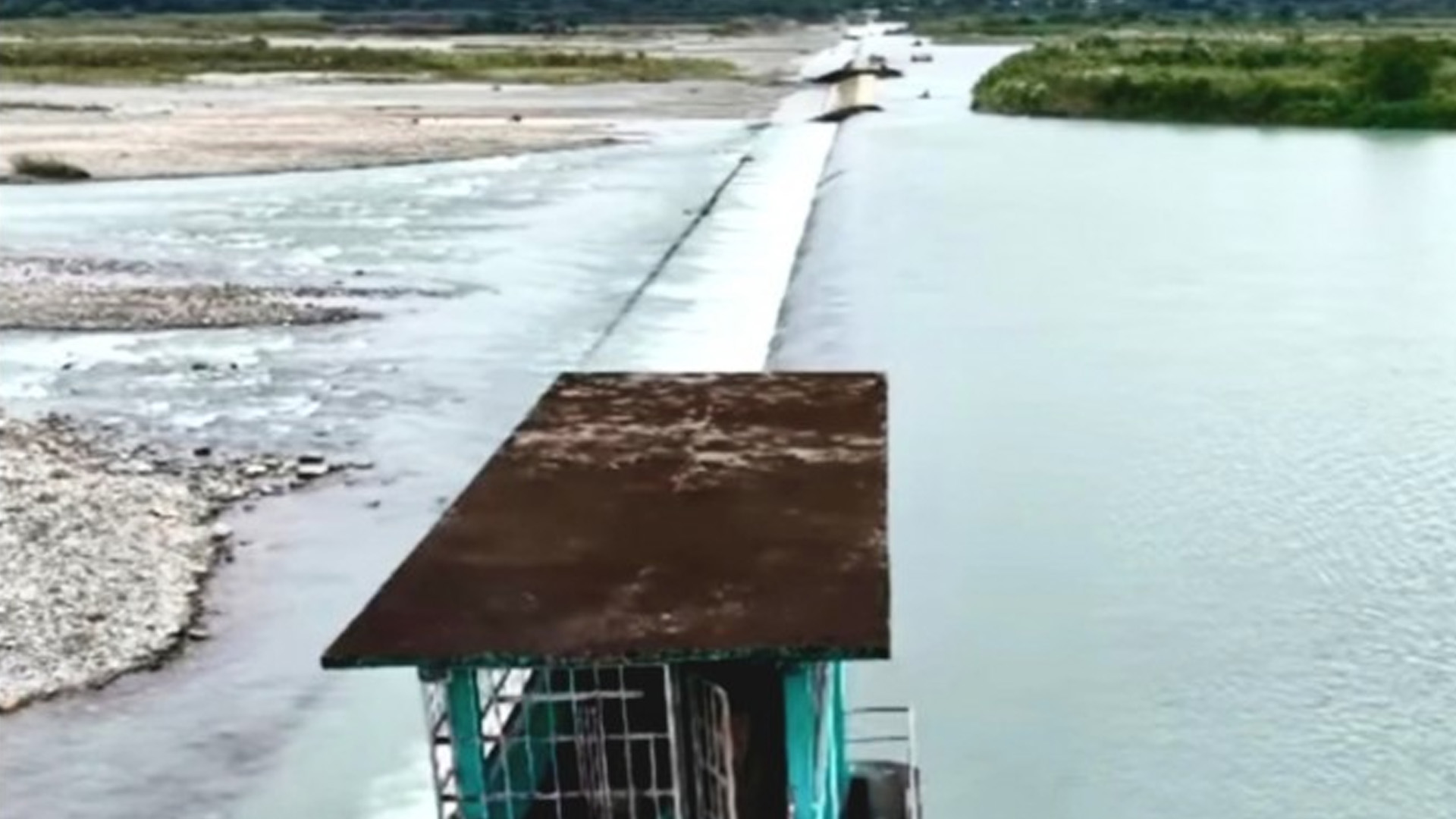







The installation of more solar irrigation facilities will help increase Kalinga’s rice yield and ensure food security, Governor James Edduba said Wednesday.
“The Secretary of the DA (Department of Agriculture) [Francisco Tiu Laurel Jr.] committed that we will receive small water impounding projects, as well as solar irrigation projects aside from solar pumps so that river water can serve as source of irrigation,” Edduba said in a phone interview.
He noted that Kalinga’s abundant rivers provide a reliable water source that can be tapped to support rice production.
Known as the rice granary of the Cordillera Administrative Region (CAR), Kalinga produced 138,553 metric tons of rice in 2025, accounting for over 40 percent of the region’s total yield of 339,249 metric tons. Also, last year, the province posted an average yield of 4.82 metric tons per hectare.
Edduba said the capital, Tabuk City, remains the province’s top rice producer.
“We, however, see a declining production of Tabuk due to land conversion, which is why we are boosting the production in other areas so that we can continue to produce bigger yields,” the governor said.
He added that the municipalities of Rizal, Tanudan, and Pinukpuk still have vast tracts of land suitable for rice farming but remain underutilized because of insufficient irrigation facilities.
“The Secretary’s commitment that we will have more irrigation facilities in 2027 and beyond will boost our production, not just relying on rainfed irrigation,” he added. (PNA)


