



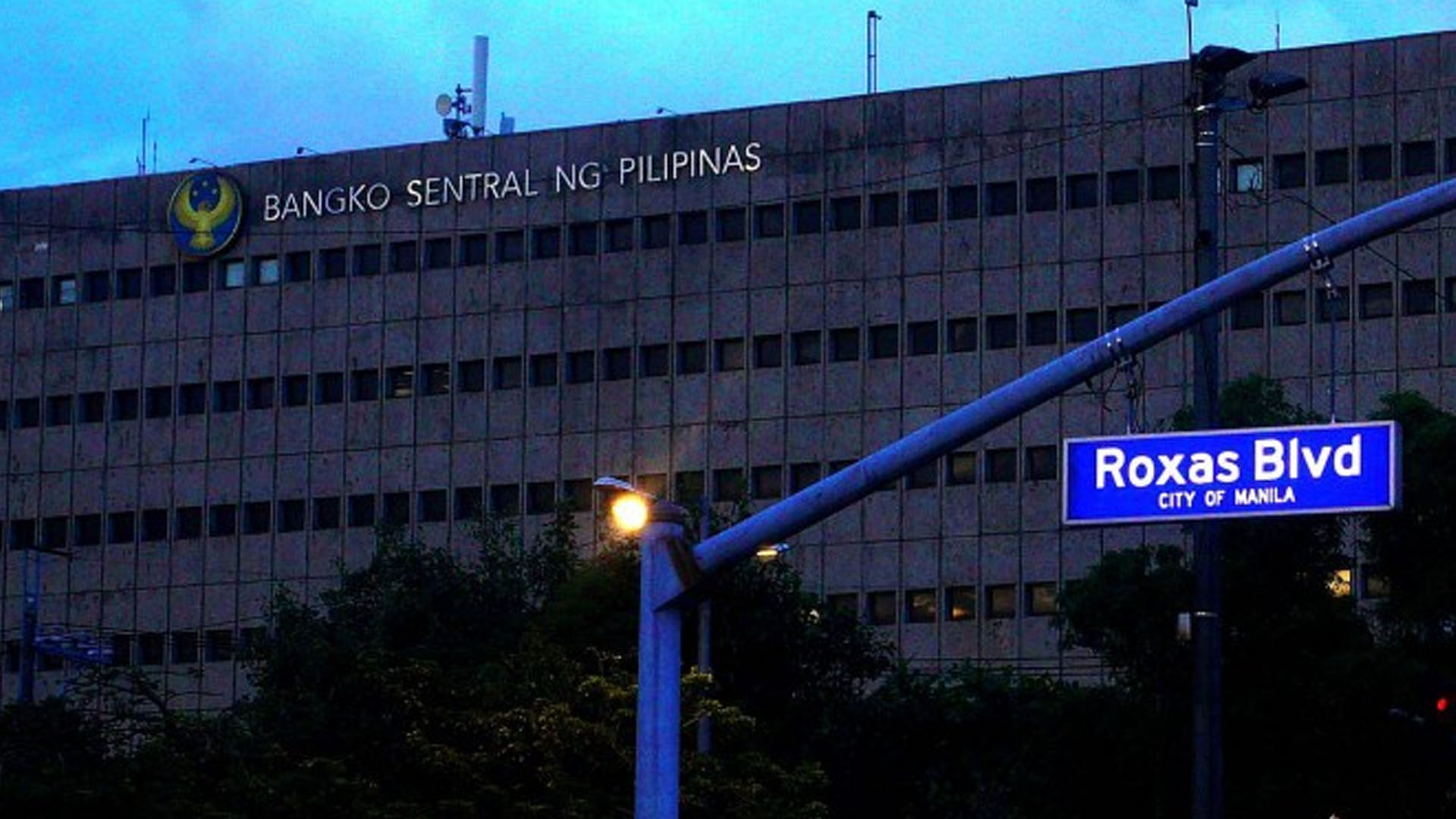







Universal and commercial banks (U/KBs) are now authorized to set aside funds for lending during periods of financial stress through the Positive Neutral Countercyclical Capital Buffer (PN-CCyB).
Under Bangko Sentral ng Pilipinas (BSP) Circular No. 1235, series of 2026, U/KBs, their subsidiaries and quasi-banks will have one year to comply with the new policy, while digital banks will be given two years.
In a news release on Friday, the BSP said that unlike minimum capital requirements, which banks must maintain at all times, the PN-CCyB may be built up during periods of strong credit growth and drawn down during times of stress to sustain lending.
“The reform will strengthen the country’s financial stability as it enables banks to set aside capital that can be released in bad times to keep credit flowing to households and firms,” BSP Governor Eli Remolona Jr. said.
The BSP explained that the fund will not increase overall capital requirements but will instead reallocate part of banks’ existing Common Equity Tier 1 (CET1) capital — the high-quality capital banks maintain as a cushion against risks — into a releasable buffer.
Prior to the new rule, banks were required to maintain CET1 equivalent to at least six percent of risk-weighted assets (RWA).
“With the PN-CCyB, 1.5 percent of CET1 will be designated as a releasable buffer, leaving a minimum CET1 requirement of 4.5 percent of RWA — consistent with Basel III standards that aim to make banks more resilient. All other capital requirements, including the minimum Tier 1 ratio[1] and the Capital Adequacy Ratio,[2] remain unchanged,” Remolona said.
“The Philippines joins countries that have built releasable buffers ahead of potential crises. This enhances our ability to respond swiftly to shocks without increasing the overall capital burden on banks,” he added. (PNA)


