



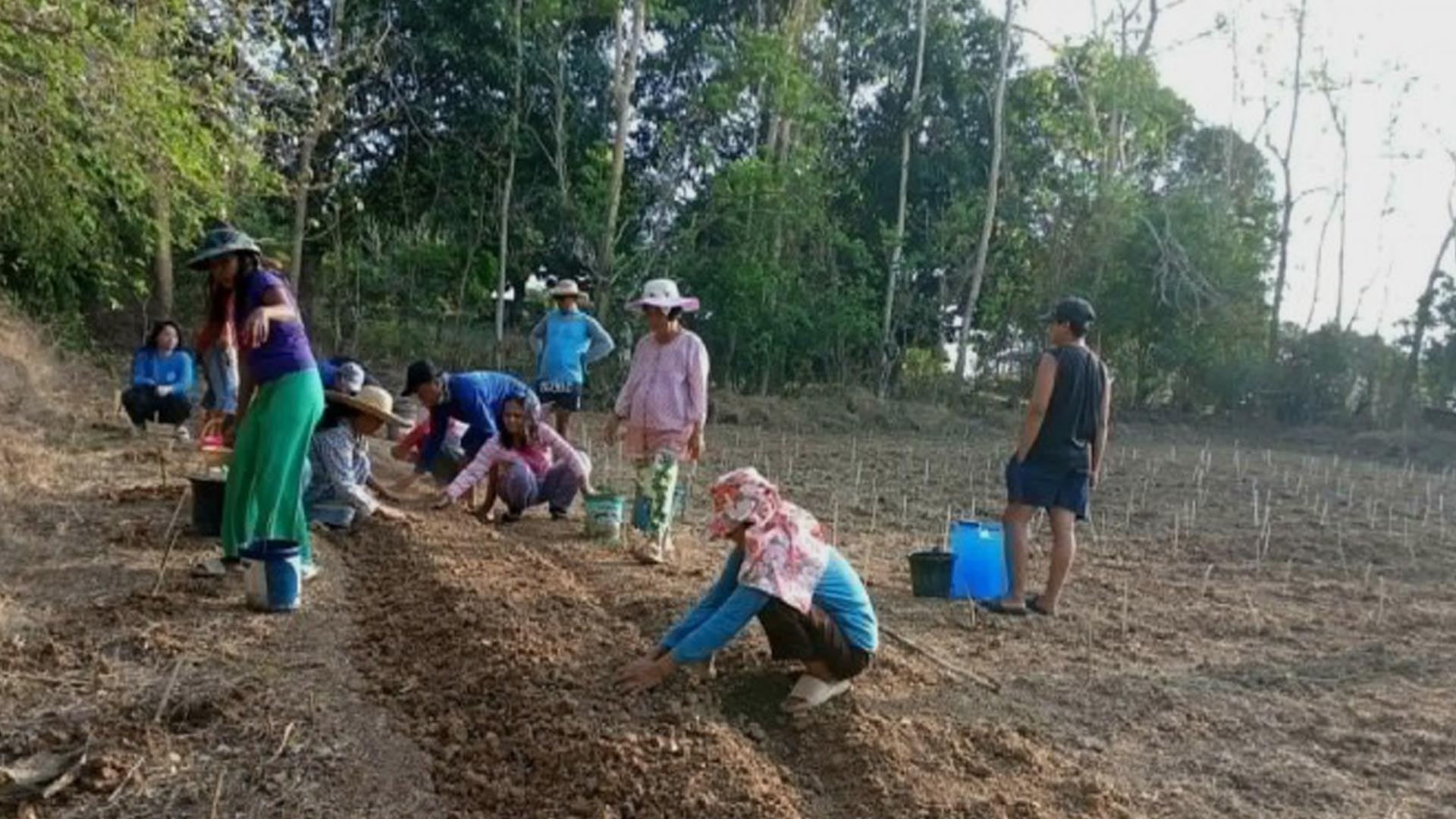







A total of 200 residents of Balungao, Pangasinan have begun building a small farm reservoir, a nursery, and a vegetable garden.
It is part of Stage 2 of Project LAWA (Local Adaptation to Water Access) at BINHI (Breaking Insufficiency through Nutritious Harvest for the Impoverished) of the Department of Social Welfare and Development (DSWD).
The program helps communities adapt to climate change through Cash-for-Training (CFT) and Cash-for-Work (CFW), according to a DSWD 1 (Ilocos Region) briefer for the Philippine News Agency on Thursday.
The beneficiaries undergo a five-day training for CFT, and 15 days for CFW, intended to provide a source of water or food, especially during the dry season, it said.
It also provides temporary income to the beneficiaries with a daily wage of PHP468 for 20 days, or a total of PHP9,360.
This year, the number of beneficiaries is 7,350 from 30 localities across the region.
Beneficiaries are those in target localities that have exposure to climate impacts, with high socio-economic needs, and a high incidence of poverty.
The beneficiaries, identified by the Local Social Welfare and Development Office, are fisherfolk, farmers, indigenous people, and indigents, as well as persons with disabilities and other individuals in informal sectors. (PNA)


