



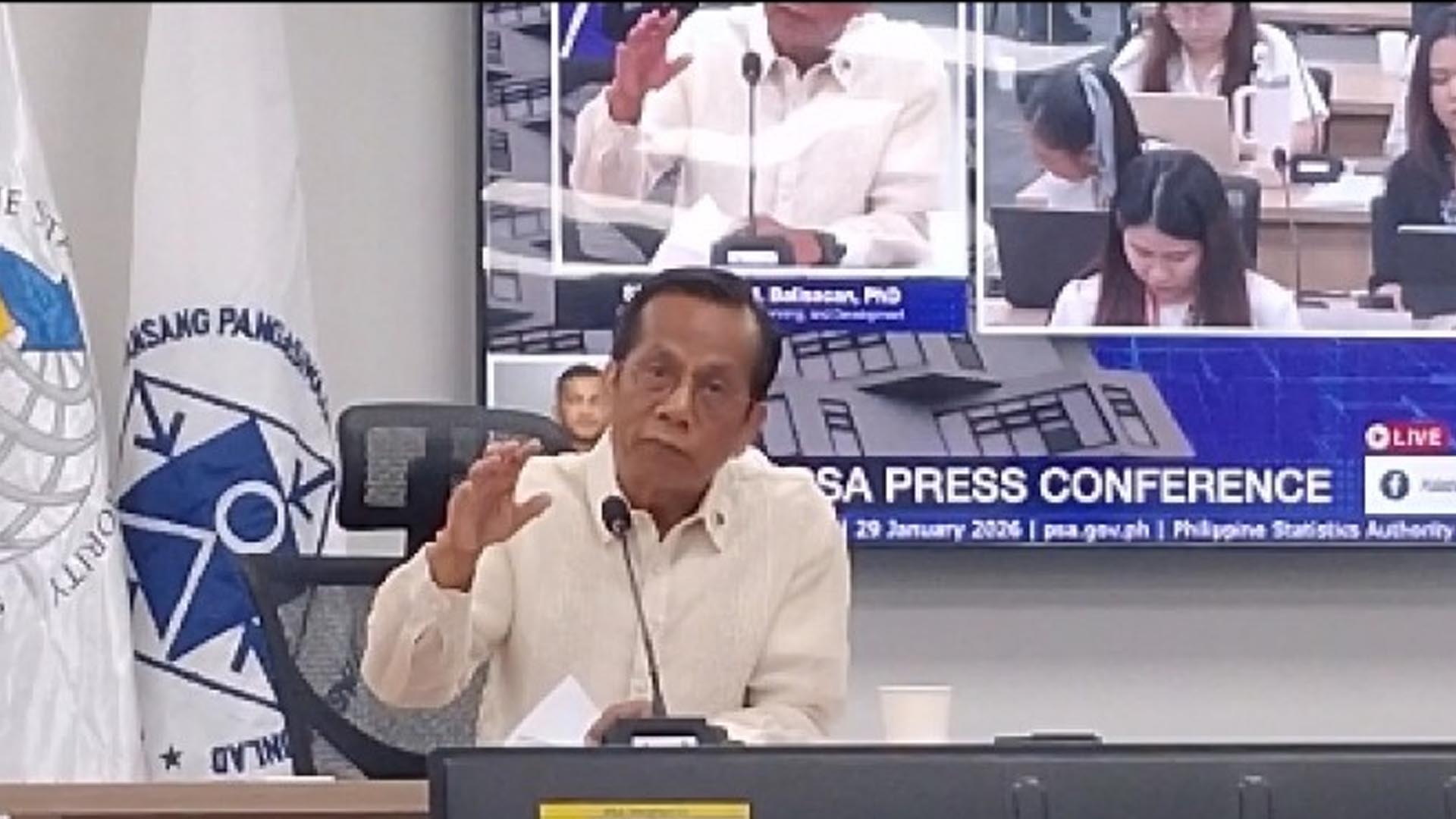






The Department of Economy, Planning, and Development (DEPDev) on Tuesday proposed a package of short- and long-term measures to cushion the impact of rising fuel prices and inflation amid the escalating conflict in the Middle East.
DEPDev Secretary Arsenio Balisacan presented to Senate the mitigation plan as the agency warned that inflation could breach the government’s target range, with estimates reaching as high as 7.3 percent to 8.6 percent in 2026 under a worst-case scenario.
Balisacan said immediate interventions include sustaining and expanding targeted fuel subsidies for vulnerable sectors such as transport and logistics, farmers and fisherfolk, and low-income households.
He also recommended buffering sharp price volatility through staggered fuel price adjustments and the possible suspension of excise taxes when warranted.
Balisacan further urged the promotion of energy conservation practices and closer monitoring of key goods and services to prevent hoarding, profiteering, and collusive activities.
Over the medium to long term, Balisacan said there is a need to strengthen supply chains and fast-track infrastructure projects that promote active mobility to reduce dependence on fuel.
He also pushed for the diversification of energy sources and wider adoption of renewable energy, alongside the development of an ecosystem for electric vehicles.
“Innovation in energy-efficient technologies and processes must also be incentivized to reduce vulnerability to global oil price shocks,” Balisacan said.
The mitigation plan comes as DEPDev flagged broader economic risks from the conflict, including potential spikes in fuel prices, higher inflation, and slower economic growth.
Under its projections, gross domestic product growth could slow to between 3.5 percent and 4 percent in a worst-case scenario, while unemployment and poverty incidence may also rise.
Balisacan warned that disruptions in overseas Filipino worker deployment could lead to significant declines in remittances, further weighing on domestic demand.
Despite these risks, he said timely and targeted policy responses could help mitigate the impact and sustain economic resilience. (PNA)


