



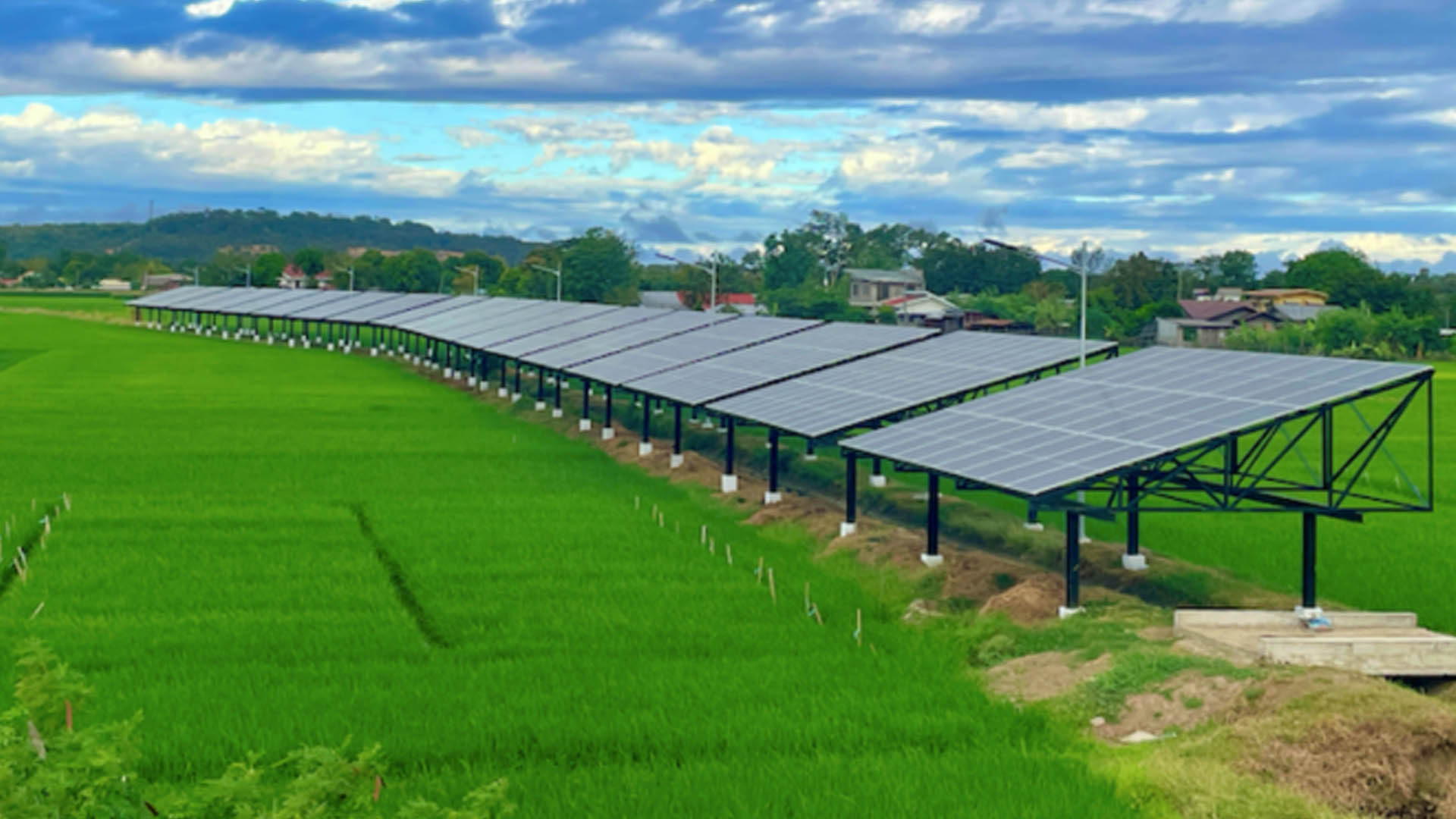






Palay production in Ilocos Norte rose steadily in 2025, reaching 49,991.46 metric tons (MT), according to the latest data from the Philippine Statistics Authority (PSA).
The palay production figure represents a 4.57 percent increase from the 47,806.50 MT recorded in the same period of 2024.
PSA 1 (Ilocos Region) officer in charge Renz Sanchez confirmed this on Wednesday, citing the growth was primarily driven by well-irrigated rice fields in the province.
“Irrigated farms remained the dominant source of palay production in the province, accounting for 95.94 percent of total output, while rainfed areas contributed 4.06 percent,” he said in an interview.
According to the PSA palay production survey, the province’s palay production from rainfed areas increased by 5.38 percent, reaching 2,031.66 MT from 1,928.00 MT in the same quarter last year.
Despite contributing only 4.06 percent to total output, rainfed farms provided additional support to overall production growth, supported by yield improvements during the period.
The PSA palay production survey is conducted every quarter to generate estimates and forecast data on production, area, and yield of palay.
Ilocos Norte remains the second-highest contributor in the region, next to Pangasinan, with a production volume of 105,543.97 MT, or 51.97 percent. (PNA)


