










The Department of Information and Communications Technology (DICT) is looking to create more than 8 million digital jobs by 2028 as part of the new “Trabahong Digital” policy roadmap.
In a statement on Thursday, the DICT said the initiative is a “national call to action” that seeks to provide Filipinos with the opportunity to thrive in the digital economy.
“The initiative seeks to expand access to digital infrastructure, equip Filipinos with future-ready skills, support homegrown innovation, and foster a regulatory environment that is responsive and inclusive,” it said.
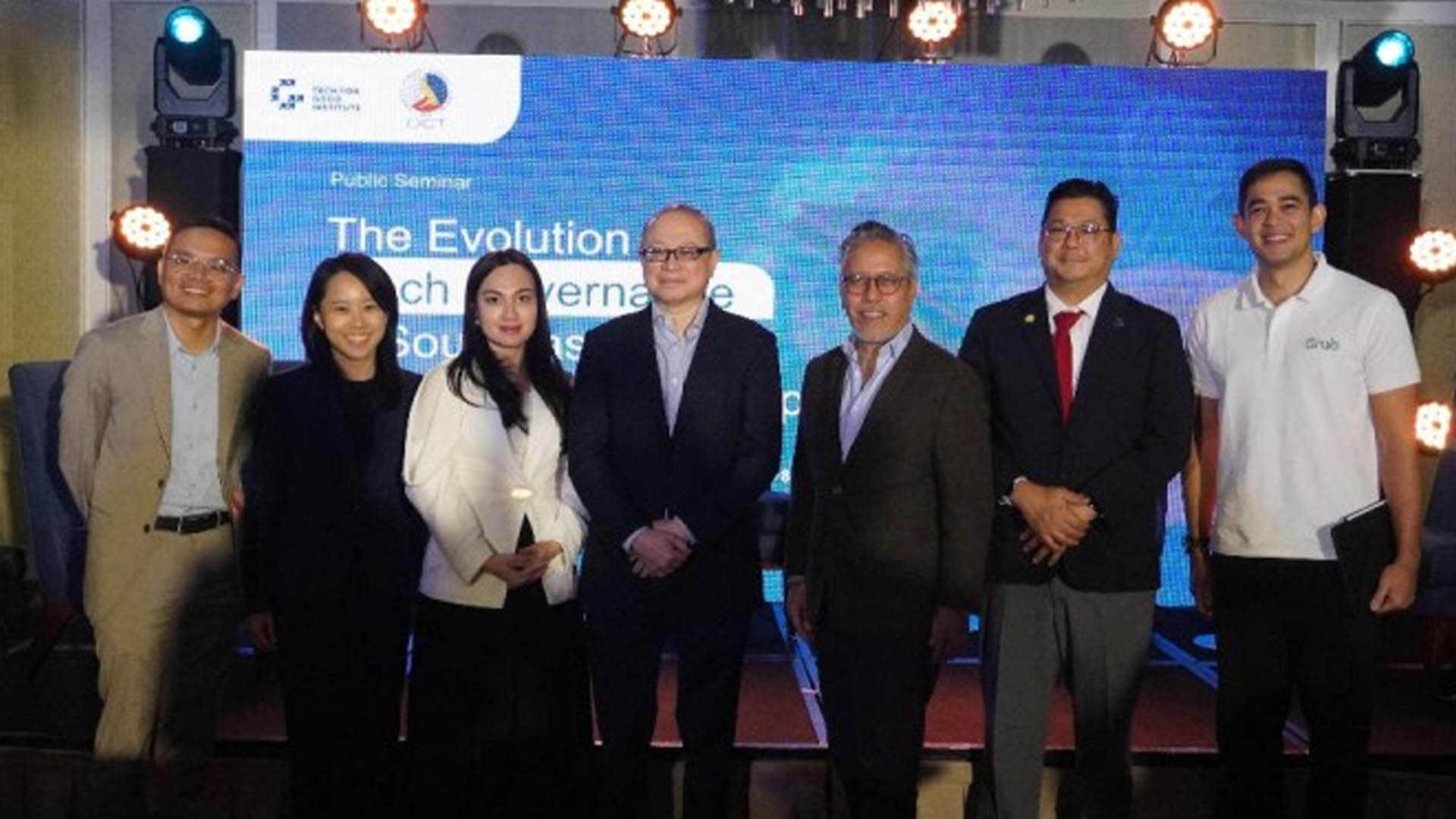
The new policy roadmap was announced during a public seminar organized in partnership with the regional think-tank, the Tech for Good Institute (TFGI), in Makati on Thursday.
During the event, DICT Assistant Secretary Celine Dee highlighted the human impact of digital transformation.
“The dynamism of the Philippines’ digital landscape lies in the resilience and creativity of Filipinos. With the right support systems, Filipino ingenuity can be a catalyst for economic growth,” Dee said.
On the other hand, TFGI program director Citra Nasruddin highlighted the importance of having a balance between promoting the digital economy and protecting the digital society.
“We are grateful for our collaboration with DICT, which champions forward-thinking approaches that put people and progress at the center of digital transformation,” Nasruddin said.
The event followed the release of TFGI’s 2024 report, “The Evolution of Tech Governance in Southeast Asia-6,” which maps out how regulatory frameworks can foster sustainable tech-driven growth across the region.
The report emphasizes the importance of aligning global best practices with local realities, ensuring that tech governance empowers, rather than excludes, the Filipino people.
“Tech governance will continue to evolve. While we learn from international best practices, it is crucial to carefully consider the Philippines’ local context in shaping effective, relevant, and future-ready policies,” TFGI program lead Keith Detros said. (PNA)


