



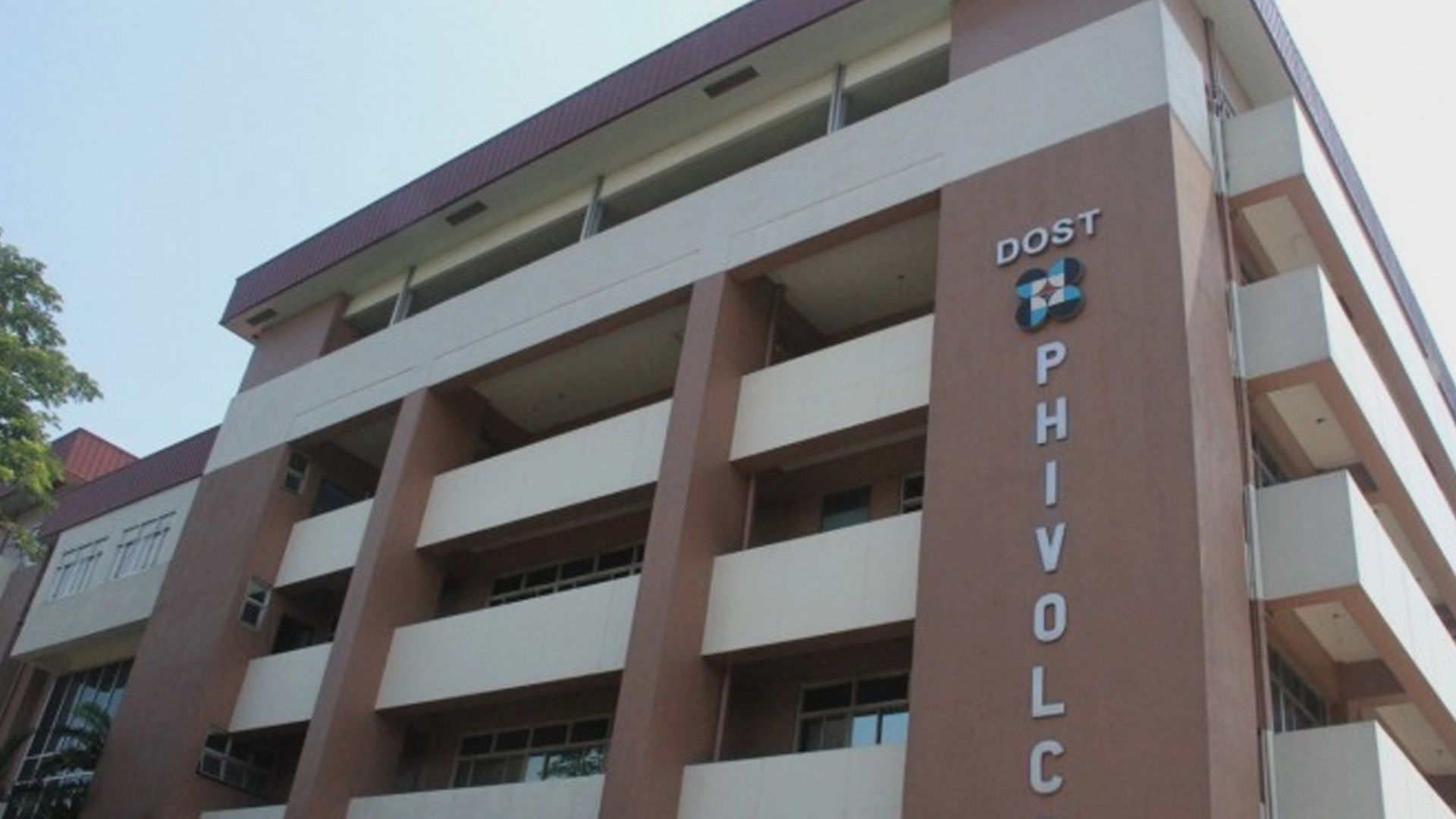






Having the Phivolcs (Philippine Institute of Volcanology and Seismology) Modernization Act signed into law is crucial in reducing hazard impacts and marks a “historic step” in boosting the agency’s capacity,
“This is a historic step to better improve our capacity to provide faster, more accurate, and wider-reaching information on earthquakes, volcanic eruptions, tsunamis, and other geotectonic hazards. The passage of this into law will not only benefit Phivolcs, but our countrymen as well,” Phivolcs Director Teresito Bacolcol told the Philippine News Agency (PNA) in an interview on Tuesday.
Although the Phivolcs gets regular budget under the General Appropriations Act, this is only for basic operations, he added.
The Modernization Act is for huge upgrades, Bacolcol said.
Under the law, the Phivolcs will get PHP7 billion funds over five years, which Bacolcol said will be used for the following:
- Upgrading of equipment and facilities to deliver more accurate and timely information;
- Adding more seismic and volcano monitoring stations, especially in high-risk areas;
- Strengthening human resources through higher salaries, incentives, and scholarship programs for experts;
- Expanding public education and information campaigns on geohazards
“The public can expect more modernized, faster, and wider-reaching warning systems. We will have more monitoring stations, more experts, and earlier detection and assessment of hazards,” he said.
Bacolcol said Phivolcs’ lobbying for the passage of the Modernization Act started in 2023, under the helm of Department of Science and Technology (DOST) Secretary Renato Solidum Jr.
Both Bacolcol and his predecessor, Solidum, said they are thankful for the support of the legislators and President Ferdinand R. Marcos Jr.
“The Philippines is a country exposed to various geological hazards such as those related to occurrences of earthquakes, volcanic eruptions, and tsunamis. We need to reduce the possible impacts of these hazards to people’s lives, infrastructures, assets, livelihood, and businesses,” Solidum said in a PNA interview.
With the Phivolcs modernization law, improved monitoring systems and counterpart human resources can lead to better early warnings, hazards and risk assessment, and disaster risk reduction, Solidum emphasized.
“With the rapid population increase and development of the country which also increases disaster risk, and the rapid technological development, we need to catch up and put in place the appropriate infrastructures, equipment and human resources in a shorter period of time,” he said. (PNA)


