









More Burmese refugees or victims of the armed conflict in Myanmar can access quality higher education in the Philippines through the United States Agency for International Development (USAID)’s Diversity and Inclusion Scholarship Program (DISP), which is in partnership with the Commission on Higher Education (CHED).
The DISP is a five-year scholarship initiative of USAID wherein scholars from Myanmar are provided higher education opportunities in the Philippines, Burma, Cambodia, India, Indonesia, Thailand, and Sri Lanka.
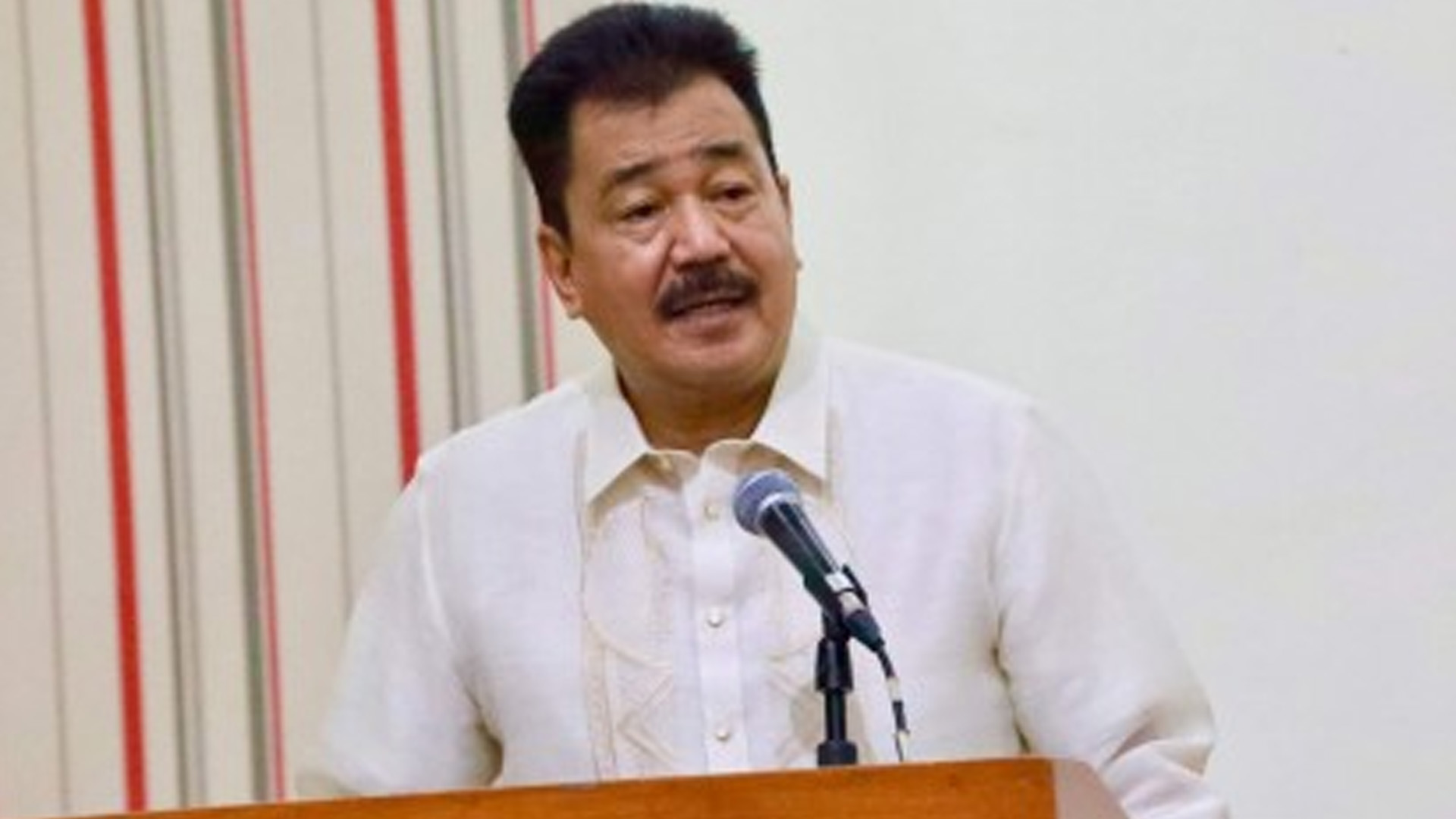
“The Philippines has always been a beacon of hope and opportunity, not just for Filipinos, but for those seeking refuge and a fresh start,” CHED Chairperson J. Prospero de Vera III said in a statement late Wednesday.
“Through the USAID Diversity and Inclusion Scholarship Program, we reaffirm our commitment to equitable, quality, and inclusive higher education, aiming to empower students from all backgrounds. This initiative stands as a testament to the power of international collaboration in creating a more inclusive and equitable society.”
In particular, Burmese scholars may study agriculture, engineering, hospitality management, and education at the University of the Philippines-Los Baños (UPLB), Batangas State University (BatSU), Lyceum of the Philippines University-Batangas (LPU-Batangas), and Saint Louis University Baguio (SLU-Baguio).
USAID-Philippines Director of Office of Education Michelle Chen, meanwhile, said the program demonstrates the stability of ties between the US and the Philippines.
“The launch of USAID’s Diversity and Inclusion Scholarship Program is a testament to the strength of collaboration between the United States and the Philippines. This program not only supports emerging young leaders from Myanmar but also showcases the power of partnership in uplifting the region’s youth,” she said.
To date, the Philippines has the largest population of Burmese scholars under DISP, with 31 students enrolled in various higher education institutions (HEI) in the country.
They are distributed in BatSU, with 11 Burmese scholars taking up civil engineering, computer engineering, and electrical engineering; 11 in SLU-Baguio studying nursing, secondary and special needs education, and Master’s in Inclusive and Language Education; five in LPU-Batangas under international travel and tourism management courses; and four in UPLB taking up a Master’s degree in natural resource conservation and a graduate diploma in environmental planning. (PNA)


