










The Philippine government is asking Japan to set the next general review of its free trade agreement (FTA) as the country has offensive interests in agriculture.
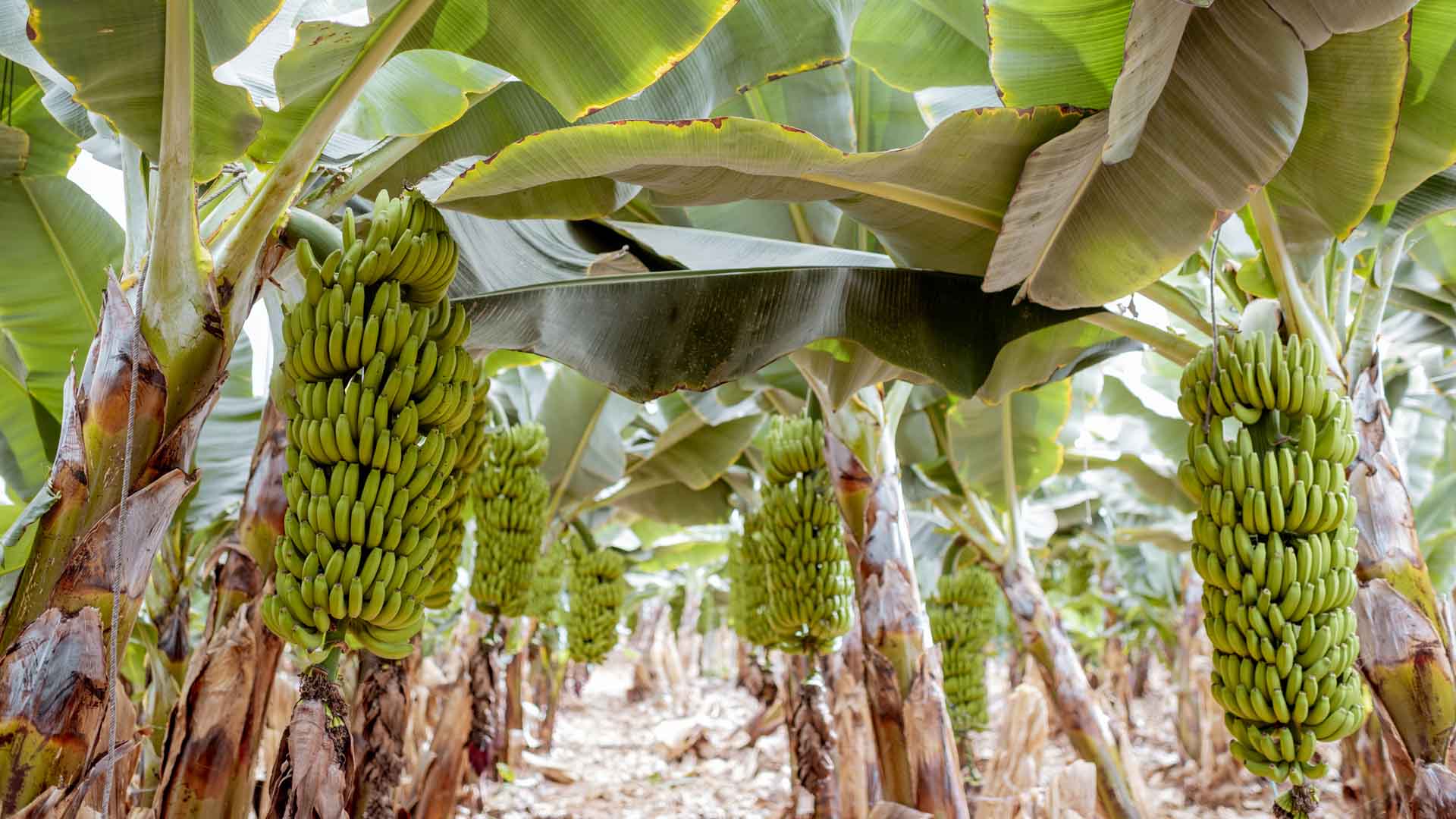
In an interview with trade reporters, Special Trade Representative Dita Angara-Mathay said tropical fruit growers in Mindanao are batting for the removal of seasonal tariffs for Philippine bananas and pineapple entering Japan.
According to the Department of Trade and Industry (DTI), imported bananas from the Philippines are slapped with an 18 percent tariff during the winter season and an 8 percent tariff during summer in Japan under the Philippines-Japan Economic Partnership Agreement (PJEPA).
Angara-Mathay said Philippine bananas are losing market share in Japan to bananas from Ecuador and Peru, as bananas from these countries have zero tariff in Japan.
“At one point, we are at the high 90s (percent) share of our bananas. Right now, I think we’re on the 70s. The landed cost coming from Ecuador is high but we are losing share, and this is something we need to look into,” she said partly in Filipino.
DTI Assistant Secretary Glenn Peñaranda added that the market share of the Philippines for all imported bananas to Japan was at 76 percent or about 844 million tons.
“We want to maintain this number or at least increase it with our policy shift,” Peñaranda said.
Both trade officials said amending the tariffs for tropical fruits can be done through the general review of PJEPA.
“You know we have a dominant position. To say, I think our bananas really taste better. And then, our proximity to Japan. It gives us an advantage,” Peñaranda said. (PNA)


