



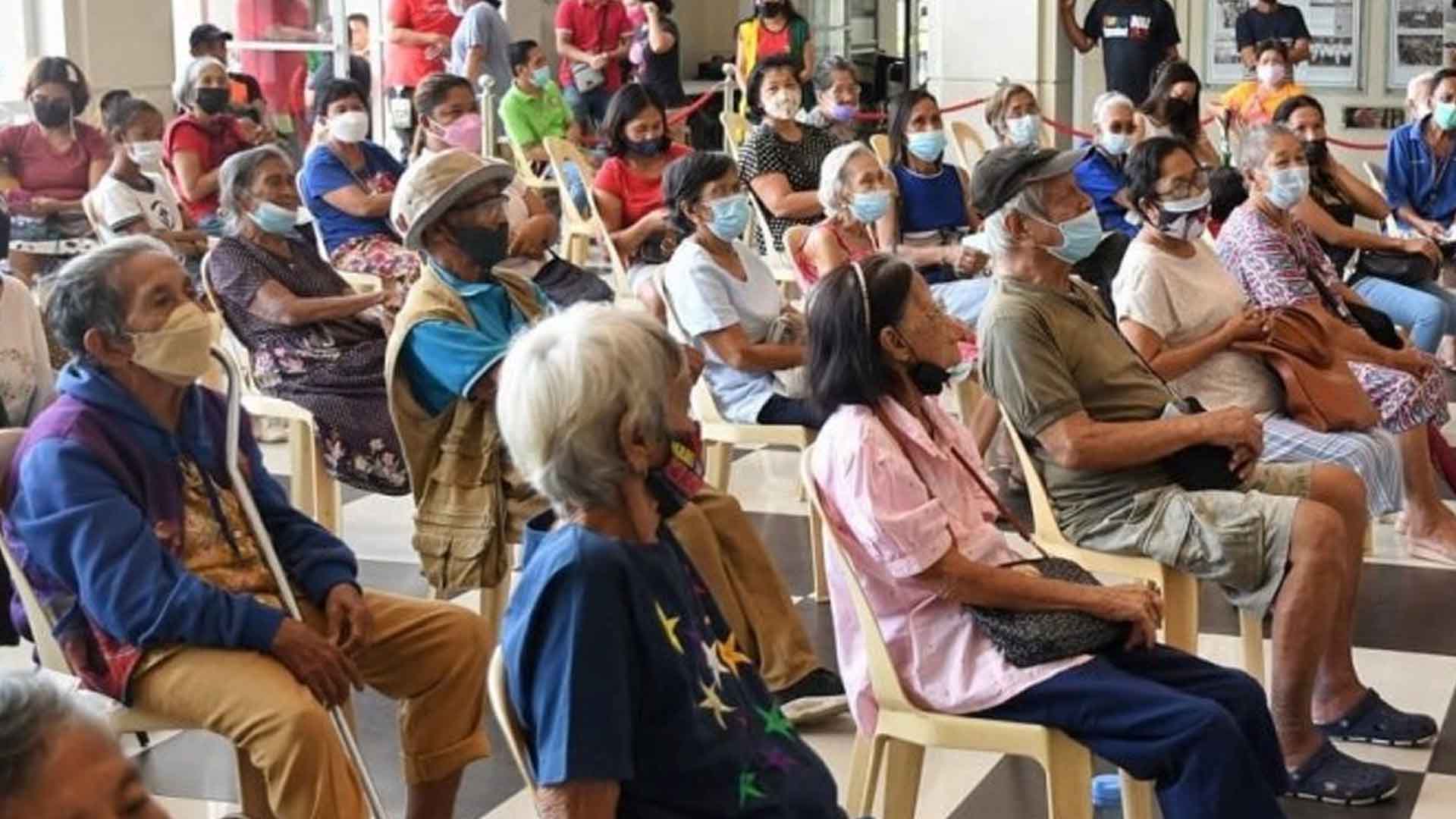






A lawmaker on Friday emphasized the need for a comprehensive and strengthened nutrition program for senior citizens to prioritize the health of an increasing elderly population in the country.
In filing House Bill 7064, Senior Citizens Party-list Rep. Rodolfo Ordanes said while the government has already increased the financial benefits and privileges of senior citizens through the expanded Senior Citizens Act of 2010 and the law increasing the social pension of indigent senior citizens, the majority of these financial benefits are just consumed by senior citizens for the purchase of maintenance medicines.
He noted that the government still needs to provide comprehensive nutritional support to the elderly.
“The process of aging follows numerous changes in the body, which results in an overall decline in the health of an individual. At this point in time, nutrition plays a very crucial role and requires special attention as Filipinos reach old age. Good nutrition is very essential in all age groups, most especially in the elderly. It provides the energy and nutrients that would help prevent or manage certain lifestyle diseases,” he said.
The bill mandates the National Nutritional Council (NCC), in coordination with the Department of Health (DOH), and local government units, to prepare a comprehensive nutrition and wellness program for senior citizens which shall be disseminated and made available to every municipality for the awareness every senior citizen.
LGUs, through their local health personnel, shall conduct regular visitation to every senior citizen within their jurisdiction to ensure that their senior citizen constituents are able to consume a healthy diet in accordance with the proposed program and appropriate to their health condition.
“I am concerned about making sure the nutrition program can be implemented well and would not be too cumbersome for the implementors, so I trust that the DOH and DILG (Department of the Interior and Local Government) will include necessary provisions in the implementing rules and regulations when SB (Senate Bill) 1799 and HB 7064 become law,” he said.
He said execution details can be in the implementing rules and regulations (IRR), which should include the senior citizens desk, medical doctors, nurses, nutritionists, barangay health workers and barangay health centers among the implementors because the Office of Senior Citizens Affairs (OSCA) of cities and municipalities do not have the ground level personnel for home visitations and monthly monitoring reports.
Accountability and authority in the IRR should be vested in the mayors, OSCAs, barangay chairpersons, and barangay councils, he added.
“Implementing funding can be sourced from local and national funds. Funding for the nutrition program should be considered economic stimulus and investments in public health,” he said.
He said the IRR should also spell out that the design of the nutrition programs will be the responsibility of the Department of Health, National Nutrition Council and the Food and Nutrition Research Institute or FNRI.
Privacy controls, he stressed, must also be part of the comprehensive national nutrition program for seniors, necessitating the involvement of the National Privacy Commission in the crafting of privacy measures in the IRR. (PNA)


