








A plant that is abundant in the Philippines may well help address plastics pollution and deforestation while promoting climate protection and the shift towards a circular economy (CE).
Francheska Zaide, co-owner of material solutions company Orera Technology, said abaca plant (the scientific name ‘Musa textilis Nee’), source of world-famous abaca fiber or Manila hemp, presents such possibility for being an eco-friendly alternative to plastic and paper materials commonly used in products and packaging.
“We at Orera believe if we shift our focus to natural fiber as alternative, for food packaging at least, our solid waste will be drastically reduced,” Zaida said during the Bounce Back Greener online forum Environmental Management Bureau organized to tackle eco-friendly packaging solutions on Tuesday.
She said there is a need for eco-friendly alternatives as plastics are threats to the environment, health, and climate.
Use of paper materials requires cutting of trees so deforestation increases, she added.
“There are other solutions available in the market – that’s packaging made from natural fibers,” she said.
She said water and energy consumption to make such packaging is currently high but more than offsets adverse impacts of plastics and paper on the environment, health and climate.
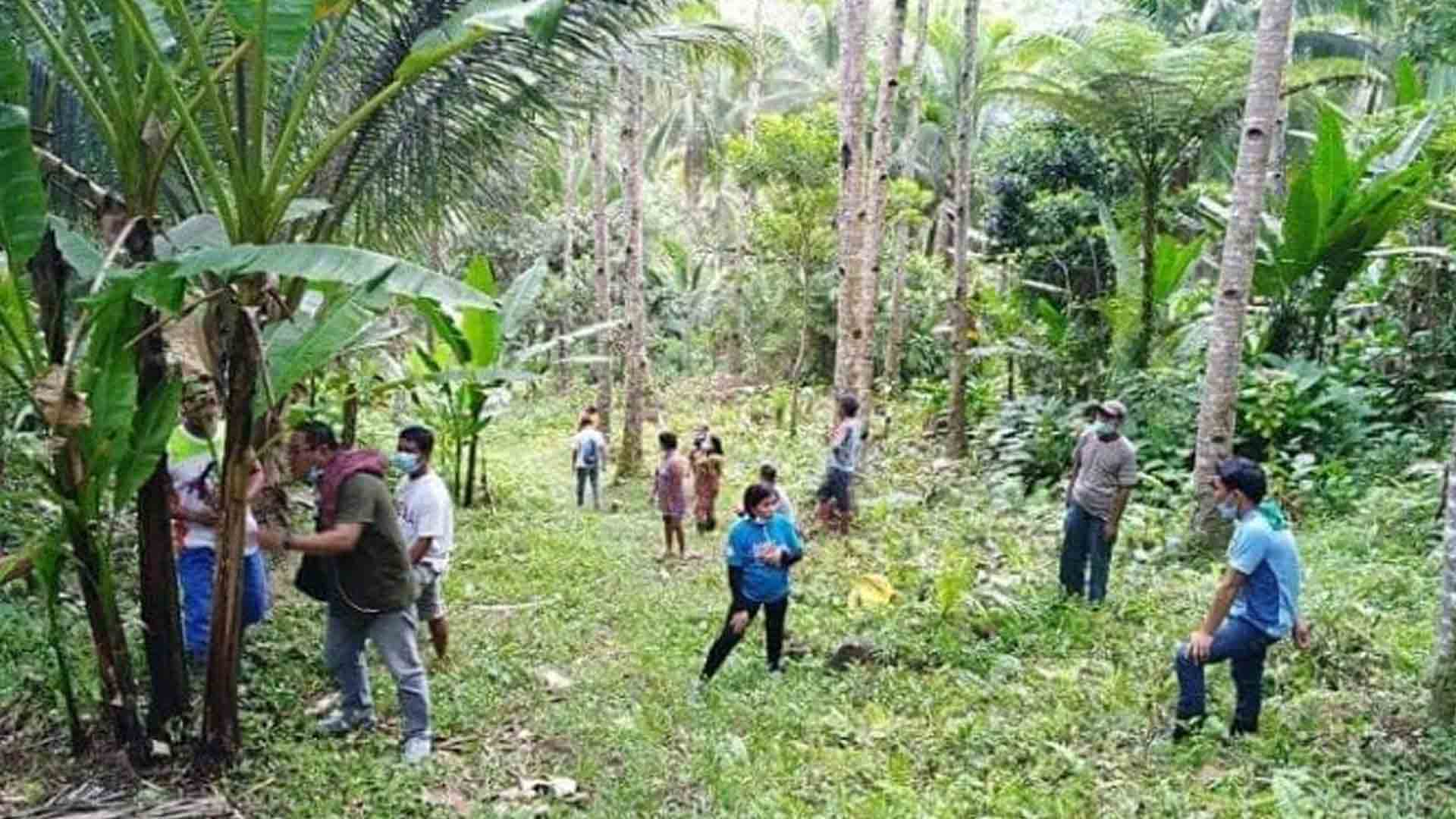
Zaide said the country is rich in natural resources like sugarcane, corn, areca palm and abaca plants which are sources of natural fiber.
The research and development findings as well as Orera’s experience working with such plants showed abaca and areca palm to be the two most sustainable materials available in the country, she noted.
“Not only is abaca the most abundant in the Philippines but it also helps us achieve our main goal of promoting CE,” she said.
CE is a waste- and resource use-minimizing economic model for sustainable production and consumption, keeping products and materials in use as long as possible.
This model is the emerging alternative to the prevailing linear economy which involves collecting raw materials for processing into products customers buy, use and eventually dispose as waste.
Abaca has potential for CE application as the Philippine Fiber Industry Development Authority (PhilFIDA) said this material is durable and recyclable.
“Abaca papers can be recycled several times more than paper from wood or other natural fibers,” PhilFIDA said.
PhilFIDA also said abaca is the strongest natural fiber on earth and possesses qualities superior to those of other materials, making it a favorite of various industries worldwide.
It said abaca has non-slipping characteristics, superior tensile strength and mechanical properties, and not damaging to the environment and can even be made into organic fertilizer.
The Philippines supplies some 87 percent of global abaca requirement for producing cordage, specialty paper, textile, furniture and fixtures, handicraft, novelty items, meat casing, cosmetics and skincare products as well as grocery bags, according to PhilFIDA.
Abaca also has automotive, construction and other industrial applications, PhilFIDA added.
Catanduanes, Davao Oriental, Northern Samar, Lanao del Sur and Davao del Sur are the country’s top abaca-producing provinces, it said. (PNA)


