



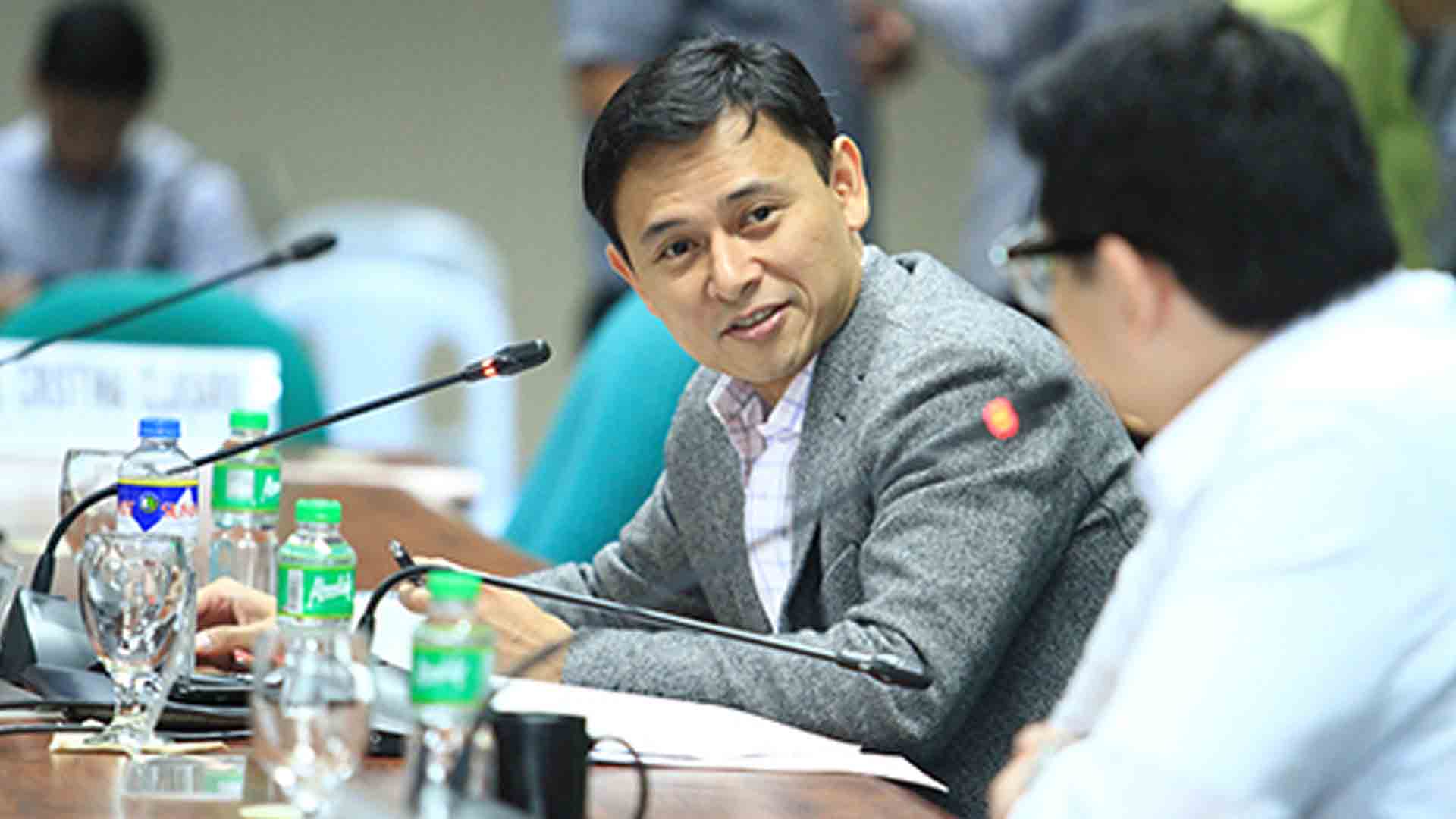






To bolster the country’s efforts in developing and implementing e-government services, Senator Sonny Angara said local government units (LGUs) should take the lead in digital transformation for the public sector.
Angara noted how the shift to digital or online services has accelerated as a result of the Covid-19 pandemic and “government cannot afford to be left behind.”
“One need only to look into how more Filipinos now regularly use their mobile phones and computers to shop, do their groceries, and even transact with their banks. Our government processes and services should follow suit,” Angara said in a news release on Sunday.
According to the Department of the Interior and Local Government, only 30 percent of LGUs have taken steps to digitize their processes.
In a September 2020 study by the Philippine Institute for Development Studies, researchers pointed out that limited access to computers, lack of standardization, poor infrastructure, and other related issues are hindering the development and implementation of e-government services throughout the country.
While many LGUs have opted to maintain the status quo and continue with face-to-face transactions with their constituents, Angara said the absence of digital services poses some real problems such as what was experienced in the distribution of cash aid during the enhanced community quarantine period.
“We witnessed how thousands of people had to go out of their homes and line up at designated areas in their respective LGUs to apply and receive their cash assistance. This was not only a labor-intensive and tedious process, but also created significant health risks on both the recipients and the government workers,” Angara said.
To facilitate the transition of LGUs to digital services, Angara has filed Senate Bill 1943 or the Local Information and Communications Technology Officer (ICTO) Act, which seeks to create a new position of ICTO in all provinces, cities, and municipalities across the country.
This will entail an amendment to Sections 443 (a), 454 (a), and 463 (a) of Republic Act 7160 or the Local Government Code of 1991, which deal with the officials of the municipal, city and provincial governments.
ICTOs will manage the following: formulating and executing digitization plans for processes and public documents in their respective LGUs; develop, maintain, and supervise all other information and communications technology programs and services of the LGU (including partnerships with the private sector); and collate and disseminate information regarding ICT and the services of the local government to the public.
Aside from being Filipino citizens of good moral character, ICTOs will be required to have degrees from recognized colleges and universities, in information and communications technology, computer science, computer engineering, data science, electronics and communication engineering, or any other course that will be directly relevant to the job.
Incoming ICTOs should also have three to five years of experience, depending on where they will be assigned.
“Digital transformation, I believe, requires that we rebuild our organizational structures, work processes, and cultural mindsets. Digital services are not add-ons, but rather, they are how our work processes are evolving to fit into the new world. Now is the best time to improve our digital framework for both our government and business sectors, as last year’s challenges have given us an opportunity to build anew,” Angara said.
Apart from SB 1943, Angara has also filed SB 1470 or the National Digital Transformation Act and SB 1764 or the Use of Digital Payments Act.
“A shift to digital processes will not only mean faster and more efficient work in our government offices, but more importantly, this will result in better services for our people,” Angara said. (PNA)


