



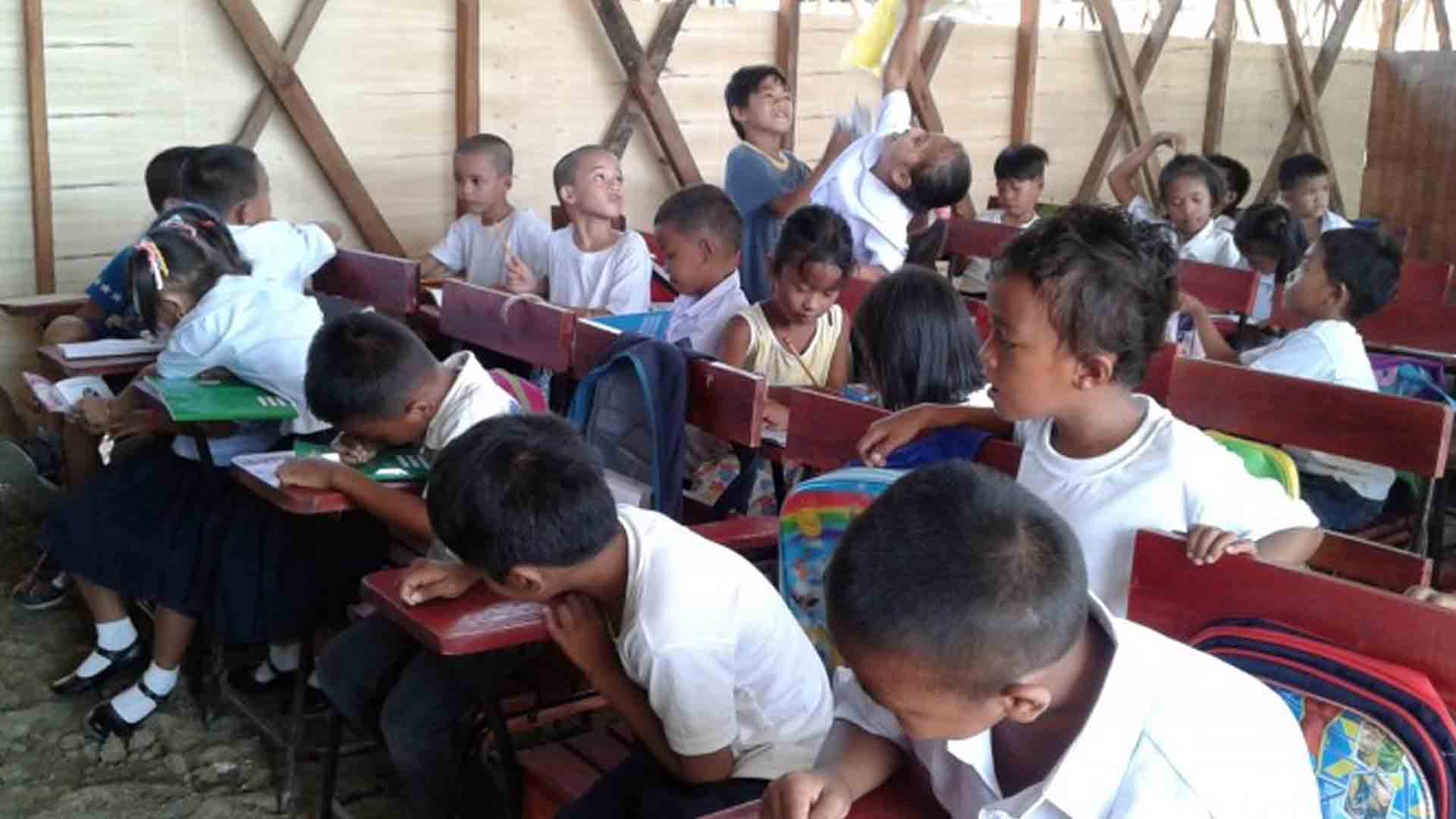






The Department of Education (DepEd) on Monday welcomed the support of the United Nations International Children’s Emergency Fund (UNICEF) to the government’s decision allowing the pilot implementation of limited face-to-face classes in low-risk areas from coronavirus disease 2019 (Covid-19).
In a statement, the DepEd said it has reviewed various international and local health studies, including UNICEF’s, in coming up with recommendations for the implementation of in-person classes.
“We have also proactively consulted representatives from different sectors in our data-driven and risk-informed approach. We understand from these engagements that clear policies and preventive measures are needed to eliminate the risk of infection among our teachers and learners,” it added.
The department reiterated it would be “highly selective” for the implementation with stringent conditions already outlined.
Face-to-face classes will be conducted under a staggered or intermittent schedule with a reduced class size to allow proper physical distancing in the classroom.
Participation of learners will also be voluntary with a requisite permit from parents and health standards will be strictly enforced on school premises, during travel, and at home.
“While the end of the pandemic is in sight, our utmost priority remains the same: to protect our teachers and learners. We should keep working together to guarantee the safety and well-being of our learners and families,” the statement read.
On Dec. 17, the UNICEF welcomed the government’s decision to resume limited face-to-face learning in certain areas of the country with low risk to Covid-19.
According to UNICEF, the resumption of face-to-face learning requires a number of policy measures and clear guidance at the national level.
These include continuous testing, use of masks, hygiene promotion and access to functioning water, sanitation and handwashing facilities, social distancing, transportation to and from school, disinfection and ventilation of classrooms, safe food preparation, proper waste disposal, and prevention of stigma and discrimination. (PNA)


