



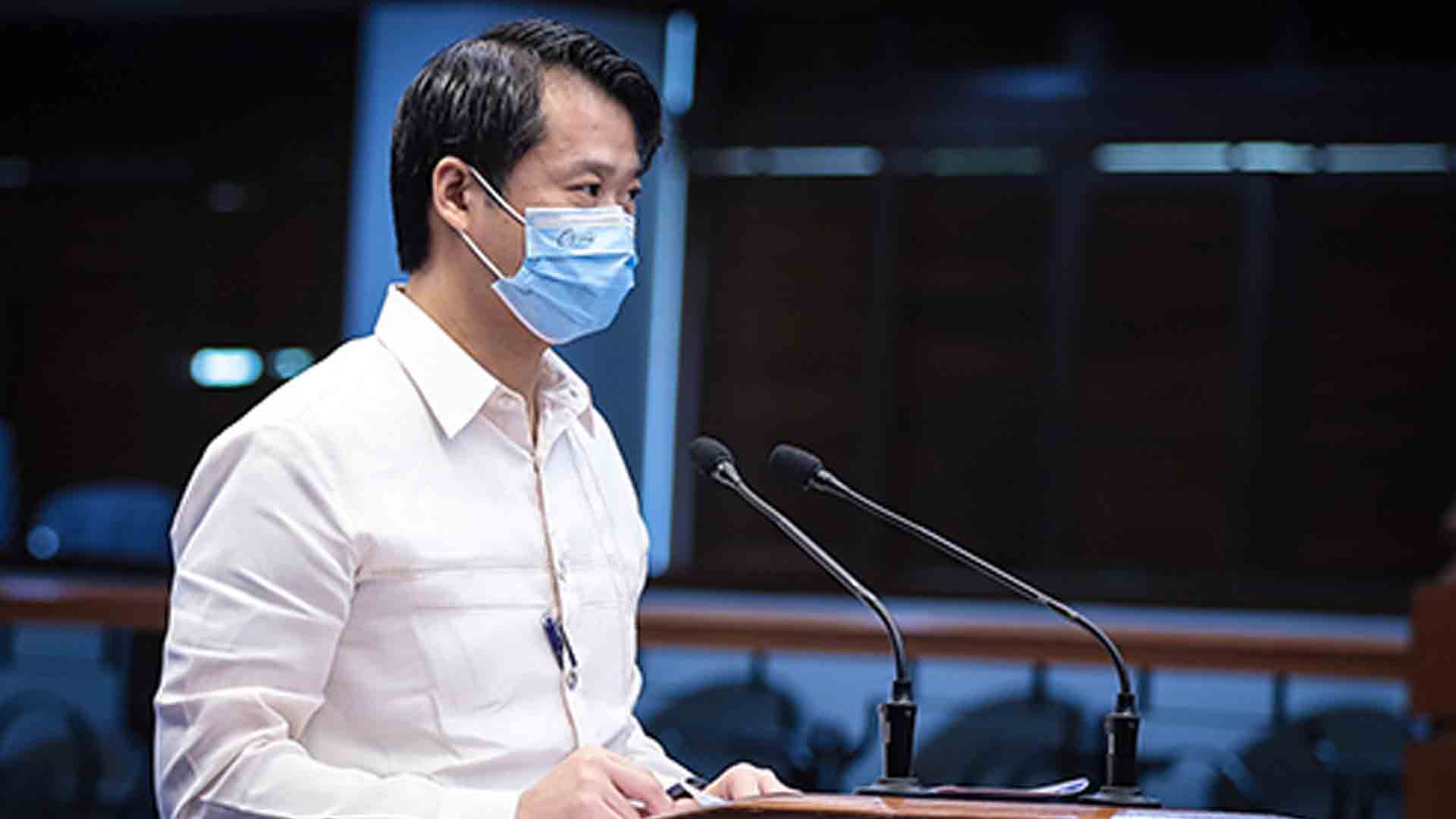






With measles deaths around the world up 50 percent from 2016 to 2019, Senator Win Gatchalian is urging local government units (LGUs) to aim for increased coverage of their immunization programs to prevent outbreaks of vaccine-preventable diseases.
Gatchalian cited the United Nations Children’s Fund (UNICEF) report last April that some 2 million children in the country were at risk of missing out on vaccination because of the COVID-19 pandemic. Immunization coverage in the Philippines is also down from 87 percent in 2014 to 68 percent in 2019.
Data from the Department of Health (DOH), the World Health Organization (WHO), and UNICEF show that as of August 2020, there were around 3,500 reported measles cases in the country with 36 deaths. Most of the cases were among children under five years old.
“Upang hindi na lumala ang krisis pang-kalusugan na nararanasan natin dahil sa COVID-19, kailangang maiwasan natin ang pagkalat ng mga nakamamatay na sakit na tulad ng tigdas na maaaring maiwasan sa pamamagitan ng mga bakuna,” said Gatchalian.
“Ang mga bakunang ito ay maaaring matanggap ng libre sa mga pampublikong ospital at mga health center, kaya dapat nating hikayatin ang mga magulang na pabakunahan ang kanilang mga anak,” he added.
According to a publication by the WHO and the United States Center for Disease Control and Prevention (CDC), measles claimed an estimated 207,500 lives worldwide in 2019 alone, the same year which saw a measles outbreak in the Philippines.
Skipping the vaccination of children with two doses of measles-containing vaccines (MCV1 and MCV2) is considered the main driver of the increases in cases and deaths. The WHO and CDC also reported that some 700,000 infants in the Philippines have not received MCV1. This makes the Philippines one of the six countries with the highest number of infants who has not received MCV1. Last October, the Department of Health reported that some 2.4 million Filipino children remain susceptible to measles.
Under Republic Act No. 10152 or the Mandatory Infants and Children Health Immunization Act of 2011, free and mandatory basic immunization will be given at any government hospital or health center to infants and children up to five (5) years of age. Aside from measles and polio, other diseases covered in this law include tuberculosis, German measles, and Hepatitis-B, among others.
Under the Expanded Program on Immunization (EPI), each barangay should have at least one health staff trained on the Reaching Every Barangay (REB) strategy to improve access to routine immunization.
Gatchalian also reiterated the need to address vaccine hesitancy in the country, which the DOH said is one of the causes of the measles outbreak. Vaccine hesitancy is the delay and refusal in the acceptance of vaccines despite their availability. If public distrust of vaccine persists, Gatchalian said it will be a challenge for the government to roll out its COVID-19 vaccination program to defeat the pandemic.


