



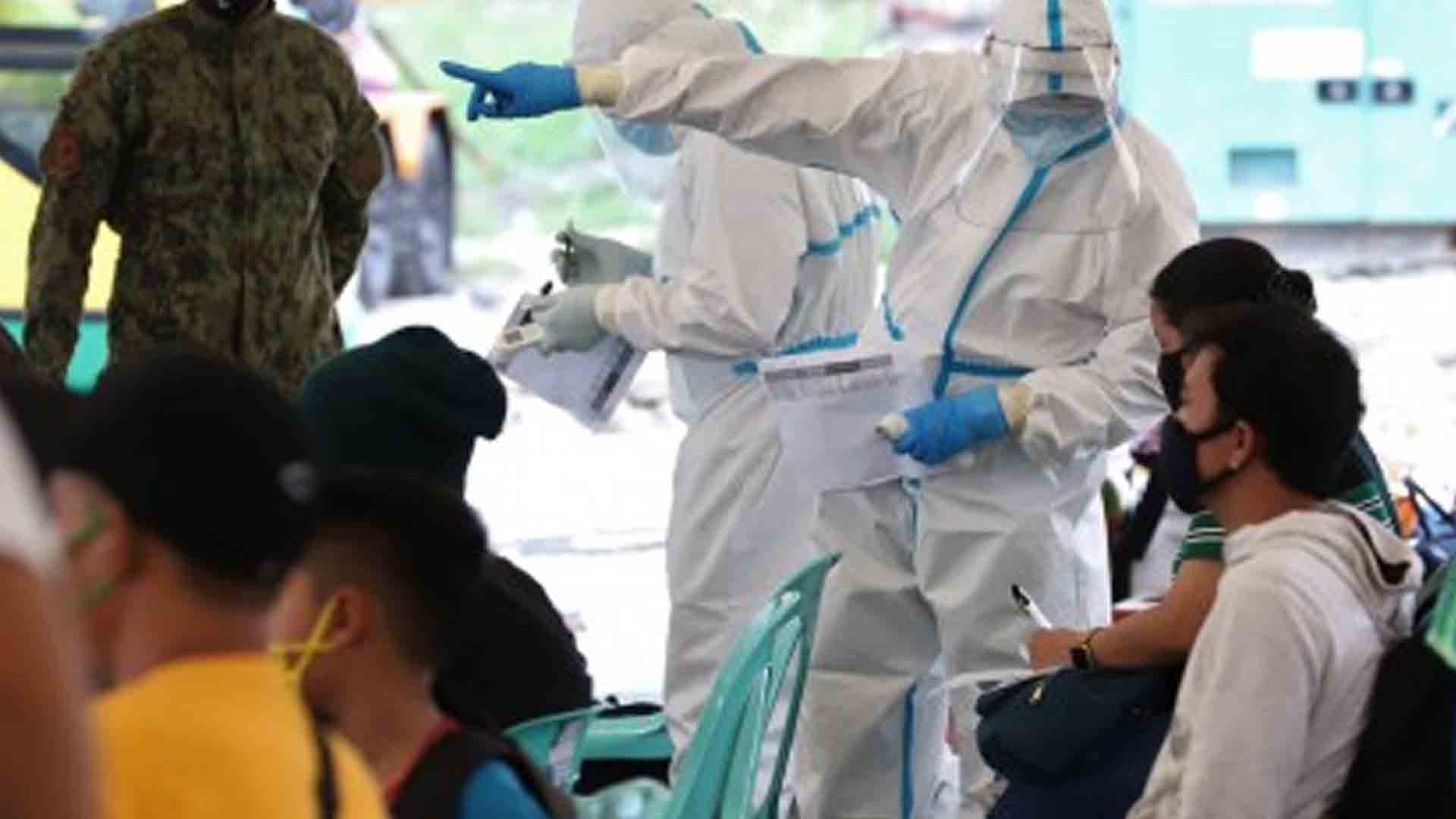






Healthcare facilities are strictly prohibited from charging patients for the use of donated personal protective equipment (PPE), a health official said Monday.
In a virtual media forum, Department of Health (DOH) Undersecretary Maria Rosario Vergeire clarified that aside from the donated PPE, pieces of hospital-acquired PPE may be charged to patients during the Covid-19 health emergency response period as per Department Memorandum 2020-0269.
“We need to consider these PPEs, talagang pinagkakagastusan ito (facilities spend on them), especially from the private sector,” Vergeire.
However, patients can not be charged for the use of PPE that have been donated to healthcare facilities — both public and private.
“It is strictly prohibited to charge on PPEs donated to them, so we have that inventory of donated PPEs in these facilities,” Vergeire said.
“This Department Memorandum says (that) all health facilities must follow the cost and rate-setting guidelines provided for in this department memorandum and the allowable amount to recover administrative costs on PPE is to be 30 percent of the total cost,” she added.
Vergeire noted that there are three variables considered in the costing of PPE — patient’s room accommodation, PPE for the patient and the visitors, and the number of the patient’s healthcare worker per shift.
“First room accommodation, if it’s ward, separate isolation room, or intensive care units because we know different rooms in the hospital have different PPE use. For example in ICU, direct care to the patient who is severe and critical, you have higher (more) use of PPE unlike when a patient is in a ward,” she said.
To keep healthcare facilities from overcharging patients on the use of PPE, Vergeire said the DOH has asked its regional offices to monitor PPE costs nationwide. (PNA)


