









The historical town of Kawit may be synonymous to General Emilio Aguinaldo’s declaration of Philippine independence in 1898 and his iconic abode, which now turned into a shrine and museum in his honor. Aside from this, the town is also known for its leading livelihood activities in the early 20th century.
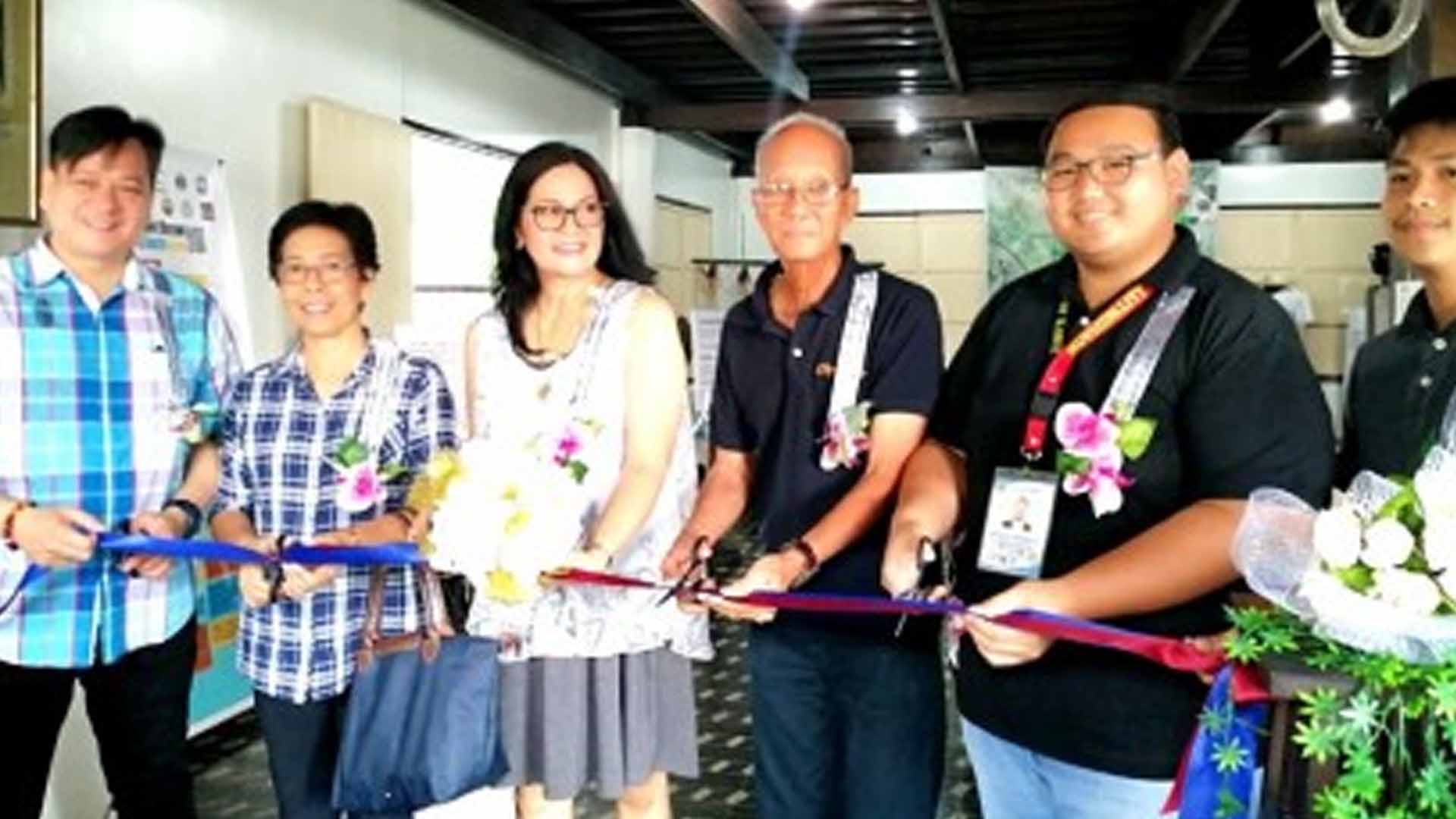
This is the highlight of the National Historical Commission of the Philippines’ (NHCP) free exhibit, dubbed “KA(la)WIT: Baldomero and the Livelihood of early 20th century Kawit” at the Museo ni Baldomero Aguinaldo (MBA) in Binakayan village which opened here on Friday.
“The exhibit aims to inform the present generation and the public not just about the town’s origin but its livelihood activities back at the era when it was still considered a predominantly agricultural town,” MBA curator Ahzel Miral said.
From Ka(la)wit to Kawit
Founded in the 16th century, what is now known as a first-class municipality is considered one of Cavite’s oldest towns.
It was popularly referred to as Cavite el Viejo (Old Cavite) during the Spanish era, where its name was derived from the word “kalawit” or hook, “in reference to the small hooked-shaped peninsula jutting out to Manila Bay from Cavite,” Miral said.
One of the nearest towns from the Manila, Kawit is considered as a highly-urbanized town. But back in the early 20th century, Cavite el Viejo was a relatively small pueblo in terms of population and land area where most of its lands were used by the olden townsfolks for farming.

In 1884, with an area of 1,542 hectares, the town was composed of six barrios–Poblacion, Binakayan, Putol, San Juan, Gahak, and Tabon– 1,193 hectares of which were devoted to farming, while the rest was idle land.
“The exhibit coalesces the words Kawit and Kalawit as it combines the town and its most notable imagery of the farming industry.”
The exhibit will also take the guests back in the early 20th centuries to explore the town of Kawit in the perspective of the leading livelihood activities, “when aside from farming, Cavite el Viejo (old Cavite) also had other industries like fishing, salt production, and blacksmithing,” Miral added.
Of its leading livelihood activities back then, only the salt production and blacksmithing remain. These industries are only some of the reasons why the town remains popular among tourists.
Another Aguinaldo in history
The exhibit also aims to transmit and disseminate significant information about another Aguinaldo who figured in history, Baldomero, where a shrine and museum in his honor is also managed and run by NHCP.
“In this atmosphere (where we present the leading livelihood activities), we inject the image of Baldomero Aguinaldo, a general of the revolution, a Kawiteño, and a farmer,” Miral said.
The exhibit, which runs until Nov. 30, will also put into context how Baldomero Aguinaldo lived as a farmer after the revolution and retired to a private life in his humble abode, now known as the MBA.

The National Museums and Galleries month is observed the whole month of October under Presidential Proclamation 798 s. 1991. This year’s celebration theme is “Building the Nation, One Exhibit at a Time”.
The exhibit also forms part of “Project Bayani: Curating South Luzon”, a simultaneous exhibit among members of the Southern Luzon Association of Museums.
The project attempts to promote a museum route by creating a unifying exhibit to capture in a single theme the thrusts of each participating museum.
MBA is one of the three NHCP-run museums in Cavite, along with Museo ni Emilio Aguinaldo (MEA, also in Kawit town), and the Museo ng Paglilitis ni Andres Bonifacio (Bonifacio Trial House) in Cavite’s Maragondon.
It is open from 8 a.m. to 4 PM on Tuesdays to Sundays. (PNA)


