



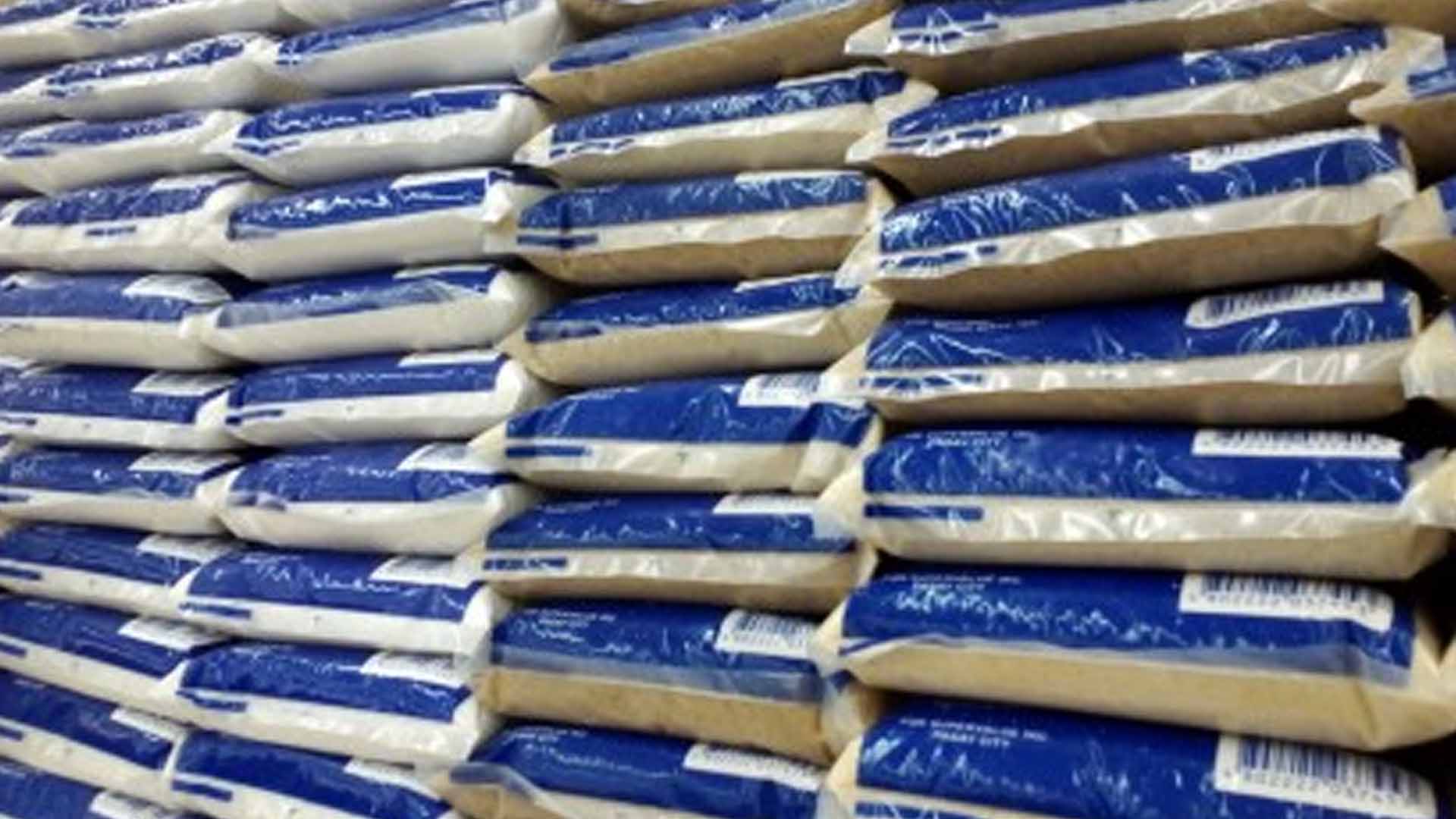






Sugar Regulatory Administration (SRA) Administrator, Hermenegildo Serafica said Tuesday there is no need for additional importation of sugar for now given the arrival of about 138,600 metric tons (MT) this October and the release of 150,000 MT in the domestic market.
“It (importation) is always an option especially (if) our supply will not be sufficient. We will always consider importation but not that soon anymore because the importation program that we just implemented, which is based on SO (SRA Order) 5 signed August 1, the sugar now are coming in,” Serafica said in a chance interview with reporters.
“This will be coming in until Oct. 31 and I think this will be good until next year,” he added.
Serafica, however, said he would not like to pre-empt the decision of the Sugar Board on whether to import more of the commodity.
“I would not like to pre-empt the Sugar Board. We will be meeting soon and we will see what are the reasons,” he said.
In an economic bulletin issued last Sept. 27, Department of Finance (DOF) Undersecretary Gil Beltran said reforms are needed to lift the domestic sugar industry.
“Quantitative restrictions need to be replaced by tariffs and safeguard measures (for subsidized products) to allow for more transparent, competitive pricing, and allow downstream industries to become more viable and grow as fast as their Asean counterparts,” he said.
Beltran said sugar has an effective protection rate (EPR) of 247.8 percent based on the wholesale prices to date.
This, he said, is the reason for its high domestic price, which hinders the industry’s growth.
The Confederation of Sugar Producers (Confed) believes that the liberalization can affect millions of Filipinos who are directly dependent in the sugar industry in 28 provinces.
Raymond Montinola, spokesperson of Confed, said the sugar industry is just starting to go through mechanization, thanks to the national government, for paving the effort to make our industry globally competitive.
“To be faced with liberalized importation at this point will lead to the demise of the sugar industry and will undermine all efforts of the Duterte administration to help the industry,” he said in a statement.
While it is true that agricultural trade in some Asean countries is relatively liberal, Montinola said, “it cannot be described as free trade when it comes to agricultural commodities because within their countries, measures against import liberalization is strong.”
He cited Thailand, which is a major source of sugar imports in the Philippines, has included in its general exclusion list the basic commodities like rice, sugar, and palm oil.
Though imported Thai sugar is cheaper in the world market, its domestic sugar price does not differ much with Philippine prices.
“On top of that, sugar producers there are highly subsidized, thus they can afford to throw their sugar surplus at a much cheaper price than what they sell domestically,” he said.
Thailand is estimated to produce 14.2 million MT of sugar in 2019 and only consumes 2.55 MT domestically. It thus has a surplus of 11.5 million MT that it can export.
“It is the same with our neighbors, Malaysia and Indonesia, who have tight government policies in regulating the entry of imported sugar to ensure that it does not compete and kill their own local sugar industries,” Montinola noted.
“We are working doubly hard to improve sugar productivity and aim for efficiency in the cost of producing sugar,” he added.
Meanwhile, Sugar Watch Philippines (SWP) Secretary General Wennie Sancho underscored the role of the SRA “in doing a balancing act particularly on the approval of import permits in the determination of how much can be imported without any adverse effects upon the stakeholders of the sugar industry.”
“SRA should be firm and consistent in the enforcement of its regulating authority to protect the interests and welfare of the sugar farmers and workers,” he said in a statement. (PNA)


