







The Science Behind Maximizing Fuel Value

Fuel value goes beyond the price per liter, with fuel quality playing an important role in engine cleanliness, efficiency, and long-term performance.

The POGI Checklist: 4 Things To Look For In The Right Scooter Engine Oil

The POGI Checklist highlights four things scooter riders can look for in engine oil, from engine protection to smoother acceleration.

Tala Joins ASEAN Financial Health Challenge To Advance Responsible Lending And Financial Resilience

Tala joins the ASEAN Financial Health Challenge as a Financial Health Champion, supporting efforts to strengthen responsible lending and financial resilience across the region.

Living With End-Stage Renal Disease: A Guide To Treatment Choices For Patients And Families

NephroPlus Philippines highlights the importance of understanding treatment choices for patients and families living with end-stage renal disease.

2026 Budget Allocates Additional PHP1 Billion To 4 Specialty Hospitals

The allocation responds to growing demand for specialized care.

2026 Budget Allocates Additional PHP1 Billion To 4 Specialty Hospitals

2,633
2,633

How do you feel about this story?

Express Your Reaction
Like
Love
Haha
Wow
Sad
Angry

The Department of Health (DOH) said on Saturday that four government-run specialty hospitals will receive an additional PHP1 billion under the 2026 budget.

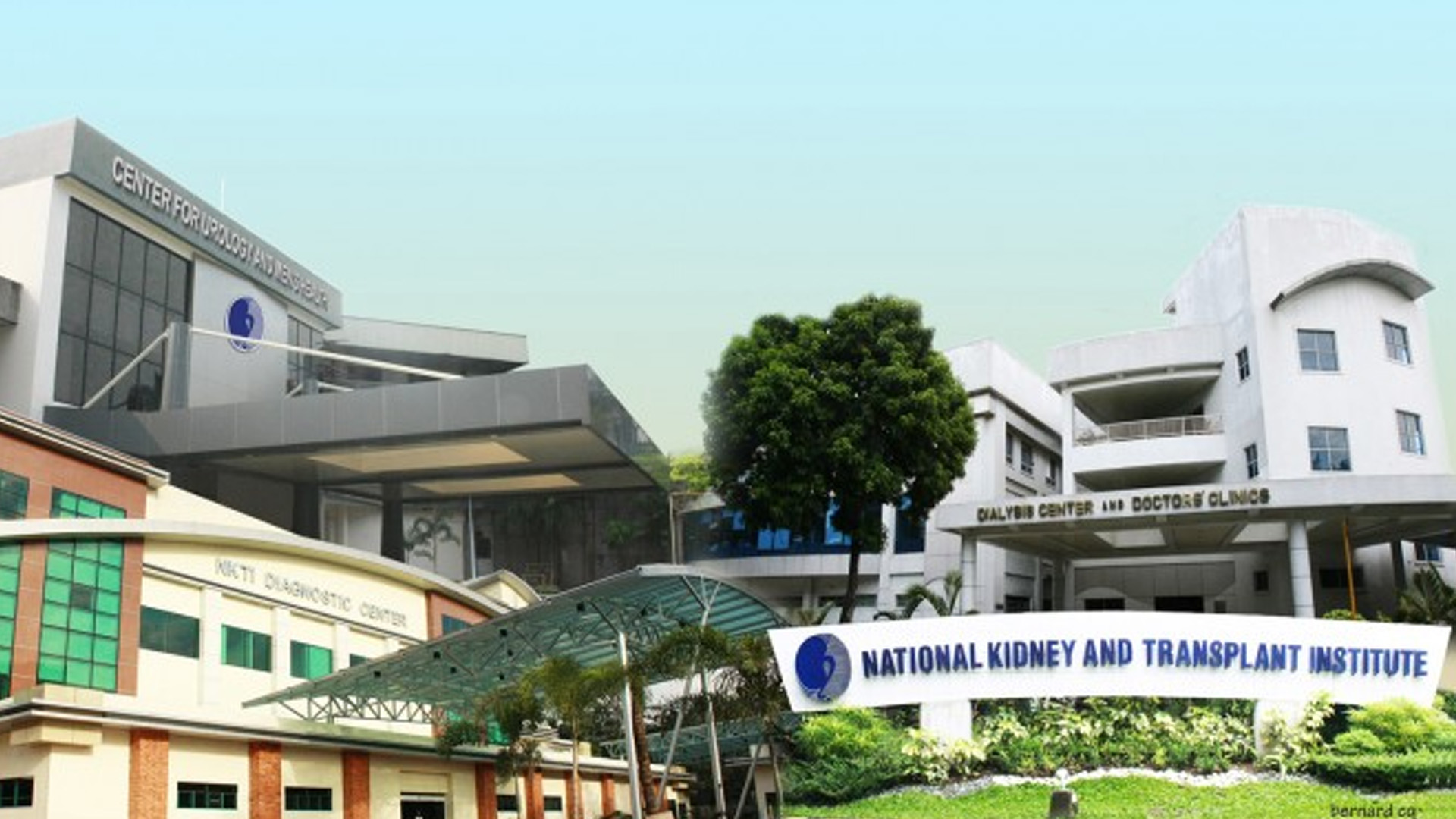
The four hospitals are Lung Center of the Philippines, National Kidney and Transplant Institute, Philippine Children’s Medical Center and Philippine Heart Center.

This forms part of efforts to expand Zero Balance Billing (ZBB) services initiated by President Ferdinand R. Marcos Jr.

In a social media post, Health Secretary Ted Herbosa expressed gratitude to Marcos for the allocation, which aims to strengthen the Universal Health Care system.

As government-owned and controlled corporations, the four hospitals typically maintain a 70 percent private bed capacity and 30 percent public.

With the additional budget, public services, including ZBB, will be expanded, allowing more patients to access complex medical procedures without out-of-pocket expenses.

ZBB was first implemented in DOH hospitals following the 2025 State of the Nation Address, benefiting over one million patients before the year ended. (PNA)