








How Simpol Became Part Of The Filipino Table

Simpol evolves from simple recipes into shared family traditions, showing how food becomes part of everyday Filipino life and memory through meaningful, accessible cooking guidance.

Accelerating The Net Zero Journey: Nestlé PH Brings Together Industry Partners To Share Best Practices In Sustainability

Nestlé Philippines brings industry partners together to advance sustainability, highlighting how collaboration strengthens the path toward net zero emissions.

Vivant Diversifies Portfolio With Launch Of Water Distribution Venture In Bantayan, Cebu

Vivant expands beyond energy with a strategic move into water distribution, strengthening its role in essential services and long-term sustainability in Bantayan, Cebu.

Sustainability As Reputation Infrastructure

Regulations in the Philippines now mandate structured sustainability disclosures, reinforcing the shift from voluntary initiatives to audited institutional requirements.

10 Questions About Traslacion And The Black Nazarene, Answered For You

10 Questions About Traslacion And The Black Nazarene, Answered For You

839
839

How do you feel about this story?

Like
Love
Haha
Wow
Sad
Angry

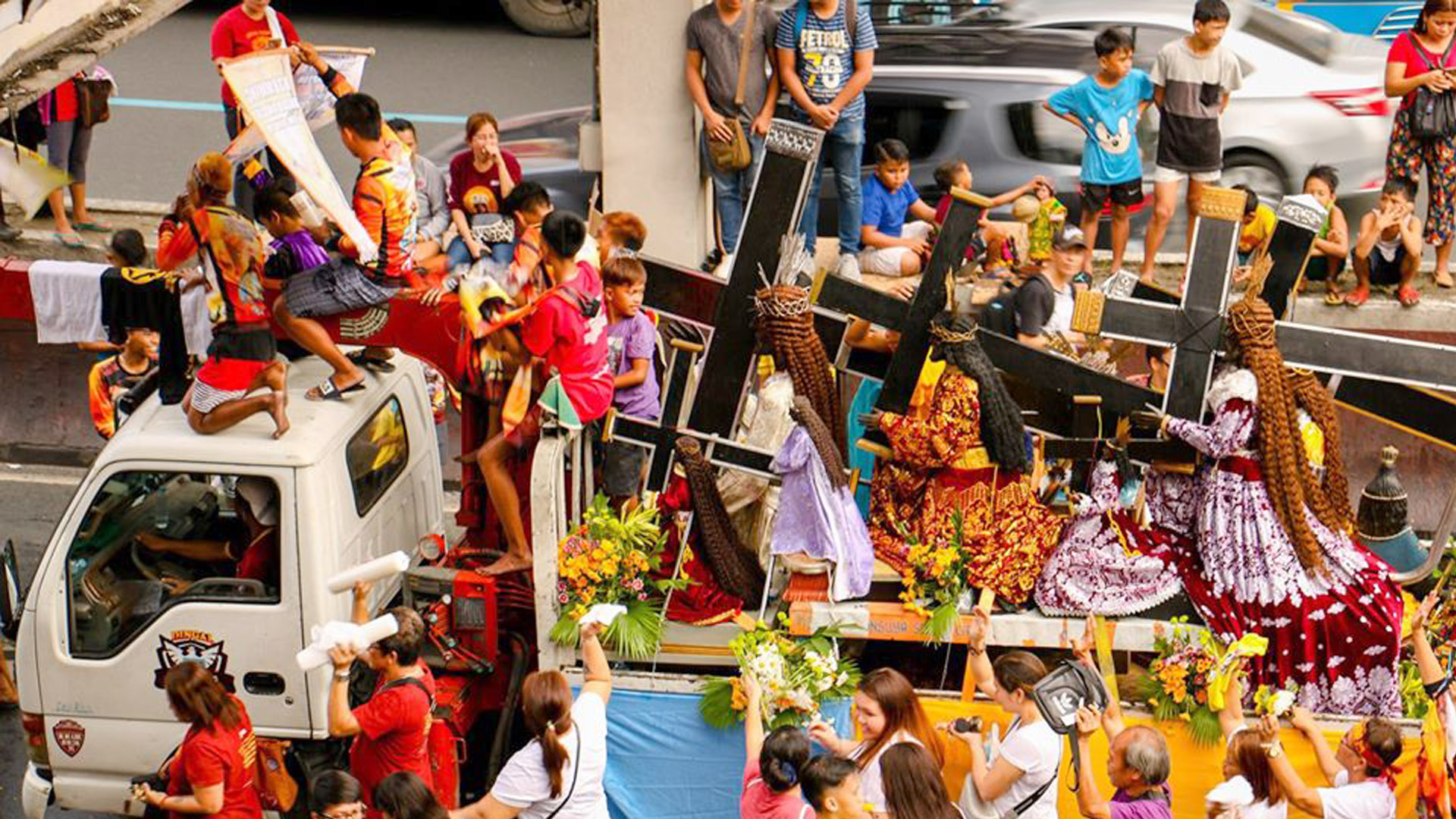
It is that time of the year again when devotees for Quiapo’s sacred Black Nazarene will go through its annual procession around Manila. While the majority of Filipinos widely recognize the image as a source of luck or cure for illnesses, a few recognize its rich history and its intriguing origins.

Here are some questions that one might wonder about the Black Nazarene and the traditional Traslacion:

1. How did it become the Black Nazarene?

There are two known origins of the dark-hued image of Jesus Christ depicted carrying the Cross. One is that after the image was commissioned by an anonymous Mexican sculptor on the 31st of May 1606, the smoke emitted by prayer candles was what is attributed to the dark physique.

Yet, the most recognized belief is that the image survived from a galleon fire as it was being transported from Acapulco, Mexico. Because of its resiliency from other disasters the following eras, devotees acknowledged it to be miraculous.

However, Monsignor Sabino A. Vengco Jr. from Loyola School of Theology claimed that the dark material used for the image was from mesquite wood, similar to the image of Our Lady of Antipolo.


Photo Credit: Translacion 2020 Facebook