



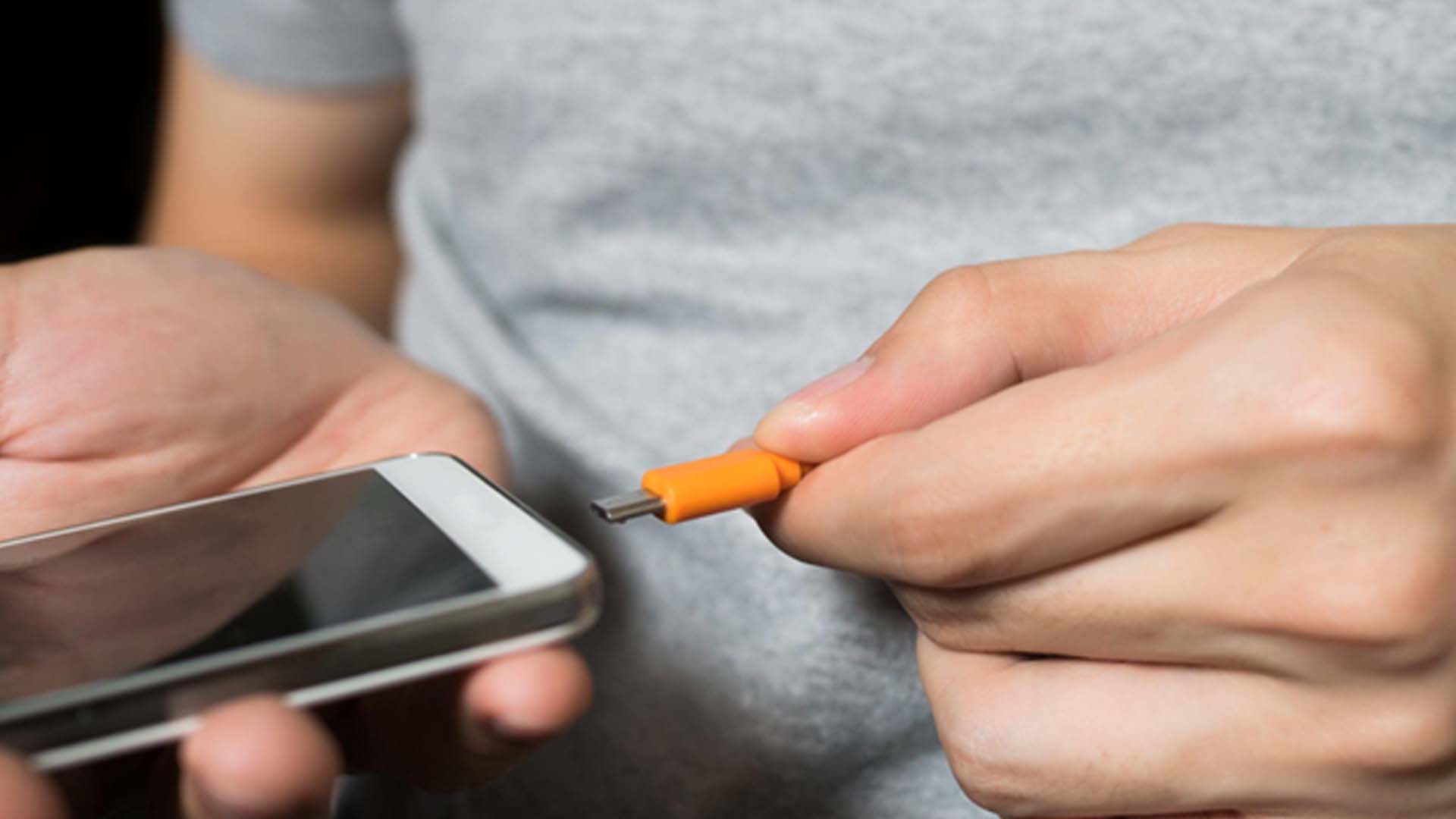







While phones are magical devices that can do almost everything with just a click, they are not invincible. And if you are concerned about your phone’s battery life and making it last as long as possible, you certainly need to stop charging it to 100%.
Almost every electronic gadget today is powered by lithium-ion batteries, also known as Li-ion batteries. These little power supplies are so essential to how we live today that they even won a Nobel Prize. Li-ion batteries are not just rechargeable; they are lighter and more powerful than other rechargeable batteries, like alkaline. Ideally, you would be able to recharge these forever, but in real life, you can’t. Li-ion batteries have a lifespan of around 300-500 discharge/charge cycles but there are a lot of things that cause them to erode over time and one of the main causes is being charged to 100%.
Your smartphone’s battery life depends on charge cycles, so the more charge cycles your phone experiences, the faster the battery will die since it stresses the battery. Watching your battery charge levels is everything when it comes to preventing your battery from flaming out. Android manufacturers state that users should keep their device batteries charged up to 50% capacity or above at all times. Some newer phones have a feature that limits charging to 85% of full capacity.
So, what’s the best way to charge?
Habits such as not leaving your phone charged overnight and unplugging it as soon as it’s done charging are good ways to preserve your device’s battery.
Practice the partial discharge habit. Partial charging is just fine for lithium-ion batteries and can have some positive benefits for cell longevity. To understand why, it’s important to appreciate how a battery charges. Li-ion batteries draw constant current and operate at a lower voltage when close to empty. This voltage gradually increases as the cell charges up, leveling off at around a 70% charge before the current begins to fall until the capacity is full.
Notably, operating at a low voltage is good for a battery’s lifespan, increasing the number of available charging cycles before you’ll start to see a significant reduction in capacity. Roughly speaking, every 0.1V decrease in cell voltage doubles the cycle life, according to Battery University. Therefore, charging your phone in that 30% to 80% range keeps the voltage lower and might slightly prolong the battery’s lifespan.
Source: https://batteryuniversity.com/article/bu-808-how-to-prolong-lithium-based-batteries


