



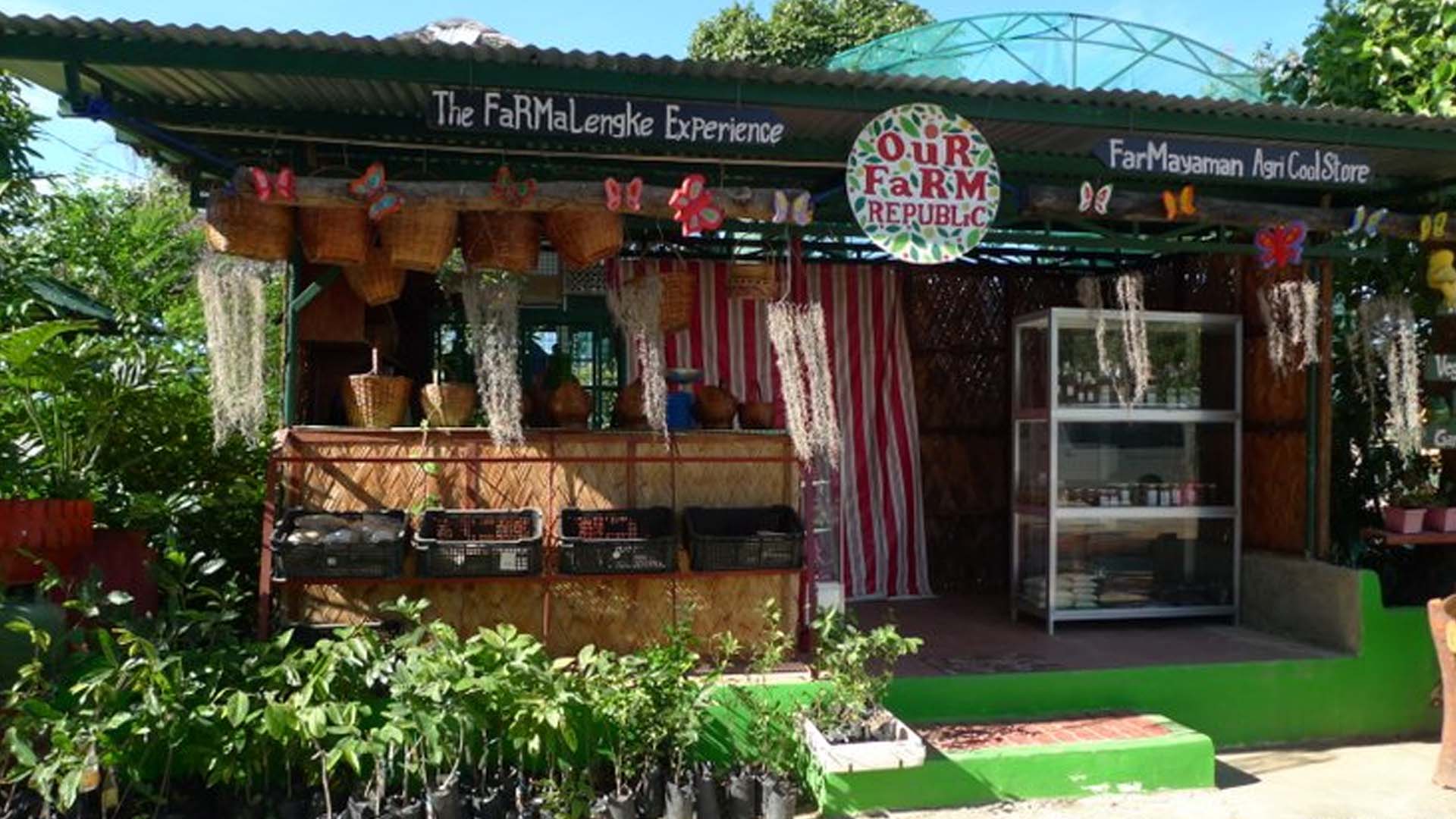






Aside from surfing in La Union, island-hopping in Pangasinan, and revisiting history in Ilocos Norte and Sur, Region 1 also offers an authentic countryside experience to visitors with its growing number of farm tourism sites.
Farm tourism is a hybrid concept that merges elements of the agriculture and tourism industry to open farms as part of travel itineraries.
“We see the huge potential of tourism. With farm tourism, tourists would get to immerse with the back-to-basics concept that you can enjoy things living in a rural community,” Lea Santiago, owner of OUR Farm Republic in Mangatarem, Pangasinan, said at the recent media launch of Region 1 farm tourism in Quezon City.
Santiago’s five-hectare land is a progressive organic farm that offers training and tours to show non-farmers “that organic farming can be fun while giving back to the earth”.
“As early as 2010, we get a lot of curious visitors because our farm is located in a sitio surrounded by rice paddies, so we’re the only lot that plants different crops. Now, from 80, we already get around 800 tourists visiting us,” she said.
Edita Dacuycuy, another farm owner in Region 1, shared the benefits of integrating agriculture to tourism, noting her Refmad Farms in Burgos, Ilocos Norte has already attracted a stream of tourists and dragon fruit lovers.
Refmad is the first dragon fruit plantation in the north, which Dacuycuy initially established to help her daughter who has cerebral palsy.
Since the signing of the Farm Tourism Development Act in 2016, accredited sites in the Ilocos Region have reached 18, all unique to the region —dragon fruit farms in Ilocos Norte, grape gardens in La Union, and acres of eco-resorts in Pangasinan.
As of September 2019, the Department of Tourism has accredited a total of 174 farms across the country and it expects the numbers to further increase as the demand for “low-impact tourism” grows. (PNA)


