









The Philippines would receive reduced Japanese official development assistance (ODA) once it reaches an upper-middle-income status, but Tokyo said it can expect higher investments in return.
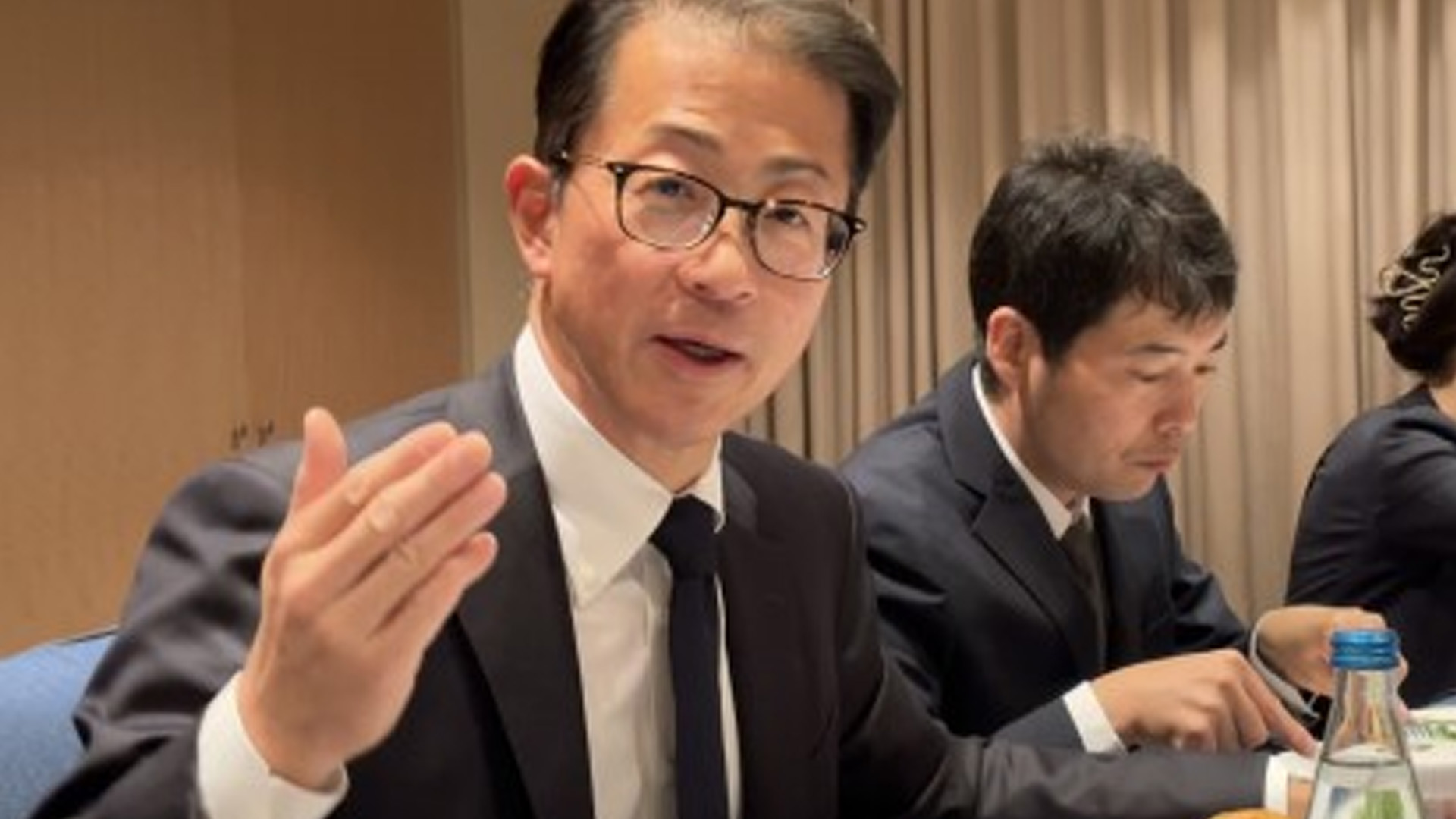
In a media luncheon in Makati City on Wednesday, Japanese Foreign Ministry Press Secretary Toshihiro Kitamura affirmed that Japan is eager to support the country reach its goal to graduate into an upper middle income state by 2026.
“Our ODA vary according to the category of the countries, if one country becomes a high-income country, probably we cannot provide the ODA as it were up to now,” he said.
“But at the same time, ODA is not the only tool to support the economic growth of the country, we also mobilize our private sources— As for the Philippines, there are more than 1,600 Japanese company operating here and we’d like to support further investment of Japanese companies here.”
Kitamura said development assistance that creates a conducive environment for investments and businesses in the Philippines could be among the possible ODAs that would stay.
Japan’s ongoing support for inclusive development in the Bangsamoro region is also highly likely to continue.
“We are not going to stop everything immediately, but we’ll try to provide every possible measure which could help the Philippines,” the official said.
Department of Economy, Planning, and Development Secretary Arsenio Balisacan earlier said the Philippines is “well-positioned to achieve upper-middle-income status by 2026,” barring major external shocks and assuming a favorable global trade environment.
An upper-middle-income economy has a gross national income (GNI) per capita of USD4,256-13,205. In 2023, the Philippines’ GNI was at USD4,335 or PHP241,165, according to the Department of Finance.
In a summit on Tuesday, Prime Minister Shigeru Ishiba and President Ferdinand R. Marcos Jr. agreed to strengthen cooperation on agriculture, and information and telecommunication technology areas.
The two leaders also pledged to strengthen public-private partnerships to increase the resilience of the Philippine economy, including expanding liquefied natural gas (LNG) facilities in the Philippines.
In addition, they confirmed both countries’ eagerness to advance cooperation through the Asia Zero Emissions Community (AZEC) and collaborate on establishing a resilient energy supply chain.
Ishiba, in the meeting, pointed out that trade tensions between the US and China directly affect Japanese companies operating in the region and that Japan would “listen intently to the voices of Southeast Asian countries”.
On April 30, the Japanese leader also held a meeting with representatives of Japanese companies operating locally in Manila and highlighted that the “rapidly growing economy of the Philippines has been built through their efforts”. (PNA)


