



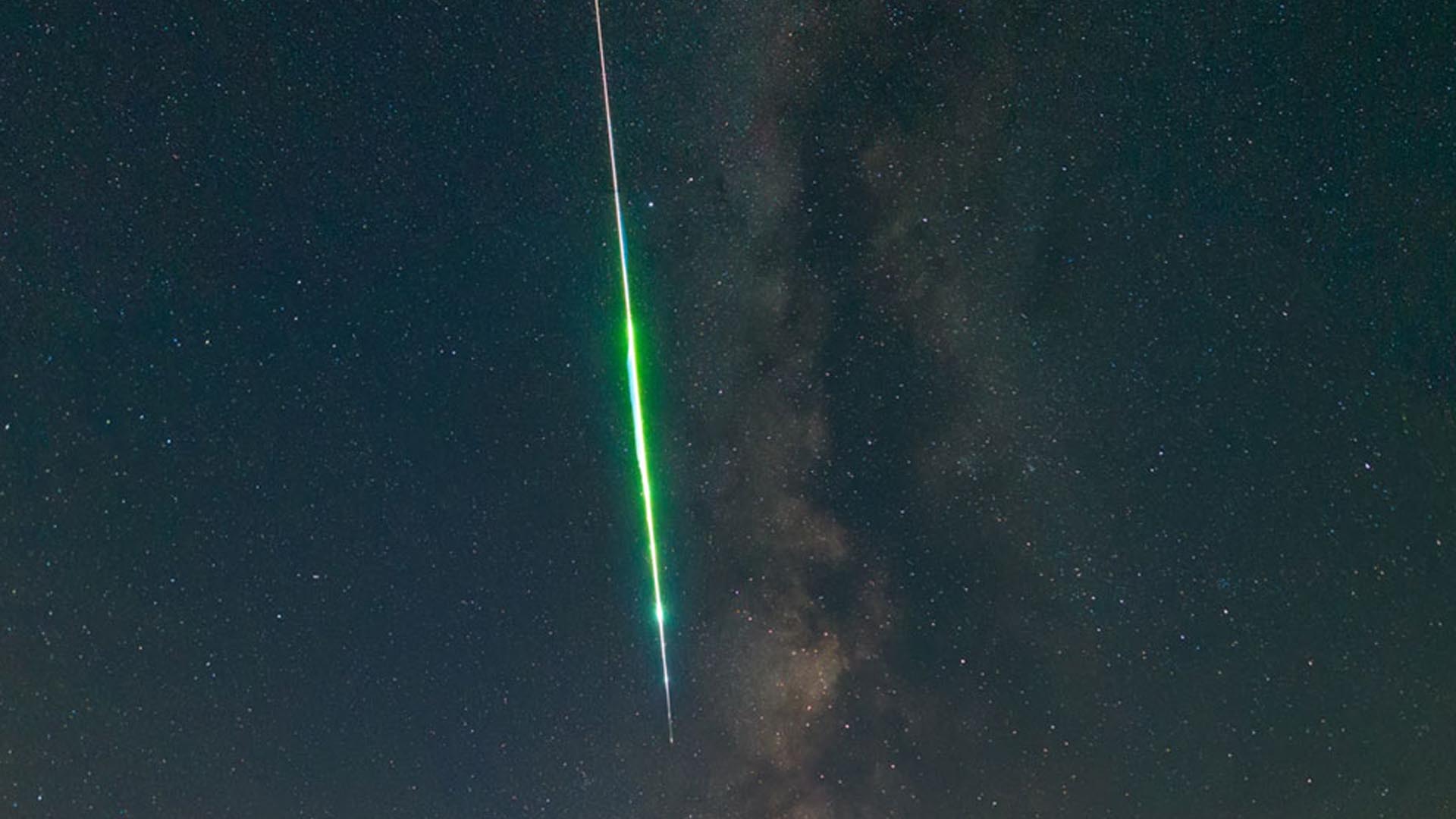






This bountiful cosmic show that is considered to be “the best meteor shower of the year” will take its peak in mid of August, according to NASA.

NASA’s meteor-tracking camera first saw Perseid last July 26, and the best chance to see this spectacular celestial show will be on August 11.
In the last quarter, the Moon phase that will impede the view of the Perseids’ peak will be visible from 60 per hour to 15 – 20 per hour.
Last night, our meteor-tracking cameras at Mount Lemmon Observatory spotted their first Perseid of 2021!
The Perseids are set to peak in mid-August—stay tuned for more skywatching updates! pic.twitter.com/ScS2Msyz83
— NASA Marshall (@NASA_Marshall) July 26, 2021
Perseids are known for having bright meteors and showering fireballs. The Perseids’ radiant lies in the constellation of Perseus, thus its name was derived from the word Persedai, the sons of Perseus in Greek Mythology.
When is the best time to catch a shooting star?
Having a conflict with the Moon phase, it is highly advisable to set your alarms early in the morning of August 12 as the Perseids are best seen between 2 AM and dawn in your local time.
If you can’t make it that early and still don’t want to miss this skywatching opportunity, you can also watch it at 9 PM in your local time. You might see few Perseids, yet wouldn’t be as much as what you can see in the early morning hours.
NASA’s Marshall Space Flight Center in Huntsville, Alabama will have a live broadcast of the meteor shower to be shown on NASA Meteor Watch Facebook at 8 PM CDT on August 11 and will continue covering until sunrise on August 12.
To watch the recorded videos of the Perseids, you can visit NASA All Sky Fireball Network.
Photo Credit: https://apod.nasa.gov/apod/ap210803.html and @Dandan Huang
Source: https://solarsystem.nasa.gov/asteroids-comets-and-meteors/meteors-and-meteorites/perseids/in-depth/


