









The Ministry of Education (MOE) of South Korea wants Filipino students to be part of its “Study Korea 300K” program, which aims to attract 300,000 foreign students by 2027 to fuel its economy by tapping high-skilled workers and compete with other countries who lure international students.
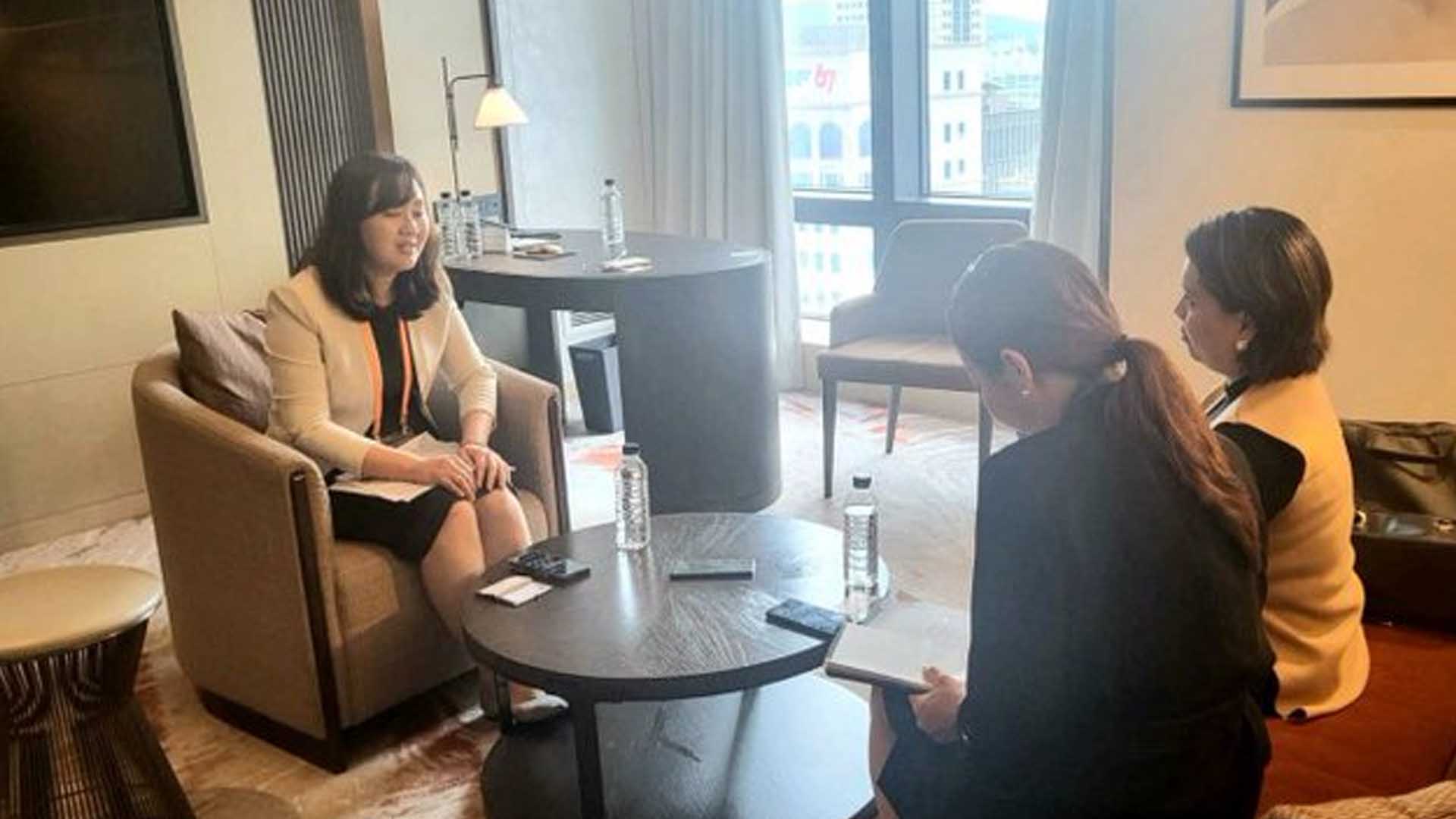
The offer was made by Korea’s Education Minister Lee Ju-Ho during his meeting with Vice President and Education Secretary Sara Z. Duterte here on Thursday, MOE Global Education Policy Division director Lee Hyejin told the Philippine News Agency in an interview.
“Many students from the Philippines come to Korea, so we discussed about the students who go abroad to study. And Korea is currently running a program called Study Korea 300K, so we discussed about this project,” Lee said.
She said South Korea currently has around 180,000 foreign students.
The Korean government will relax the requirements for its visa for students who will participate in the program, according to Lee.
“Students, for example, who are intelligent and developed in science and IoT, we can relieve the visa condition… Currently, they have to renew the visa every year and it is quite difficult, so we try to relieve the situation,” the MOE director said.
She added that other than Seoul, education centers in Gyeongbuk, Jeonbuk, and Jeonnam are interested in hosting foreign students under the program.
High school
Lee said the MOE is considering to open the program not only for college students but also for high school students.
“Most of the students come to Korea when they are at the university. However, the students from abroad can come to Korea when they are high school students, and they can get the job training… and we can try to get the professional education and go to college — the two years, in the professional colleges,” she added. “At this moment, the government is considering about this idea.”
“We are planning to integrate the younger age than the college age, so they can come to Korea early and they can stay in Korea for a long time,” she added.
In a media briefing in August, Minister Lee said the Korean government will designate special zones to facilitate the globalization of education in each region and create a department that will attract foreign students within Korean Education Centers in various countries.
“We expect the project to stimulate the regional economy and enhance the global competitiveness of domestic universities as well as the country’s high-tech industries,” he said.
The government will also fast-track a program that will enable candidates with advanced degrees in key science and technology areas to obtain permanent residency or become naturalized citizens within a shorter period, according to The Korea Times.
“We will do our best to institutionally support students studying in Korea, so that talented people the country needs can settle here,” Minister Lee said. (PNA)


