









The Pasig River, pristine in the time and writings of national hero Jose Rizal but long since polluted and considered biologically dead, may finally have a real shot at being revived, thanks to a P95.40 billion plan to build the Pasig River Expressway (PAREX).
The project, now under government review, is proposed by San Miguel Corporation, known for taking on challenging, large-scale infrastructure projects and environmental initiatives.

SMC president and COO Ramon S. Ang said that the PAREX project represents a “solution within a solution”—a means to solve Metro Manila traffic, with minimal disruption on existing cities and roads, with a built-in solution to clean up and improve the flow of water throughout the entire length of the Pasig River.
“Of all the projects we have done, this will perhaps be among the most challenging, and at the same time, the most fulfilling. Not only will we be building a much-needed direct link between eastern and western Metro Manila, but we will also be leading a historic effort to bring the Pasig River back to health,” Ang added.
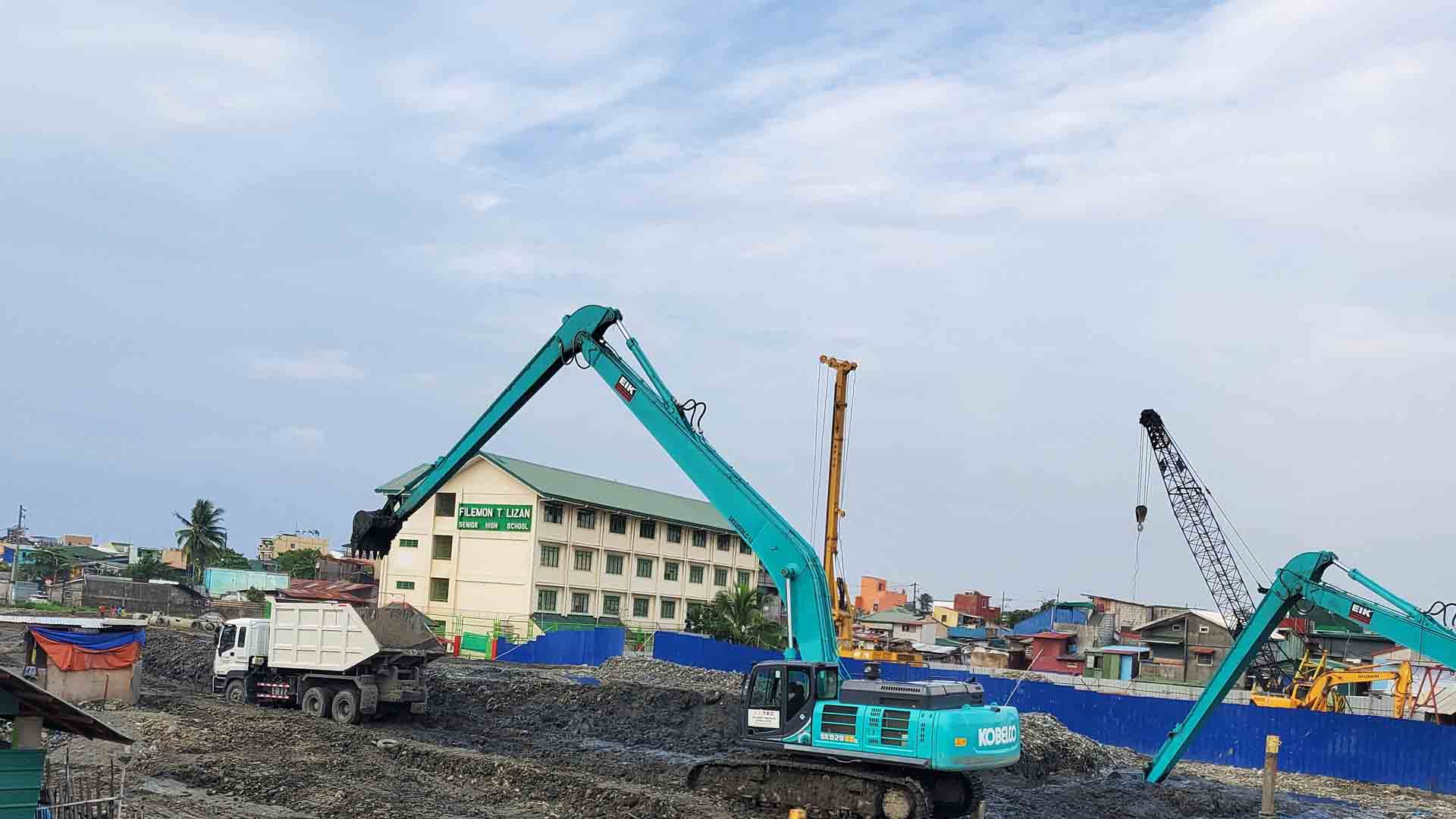
Ang explained that to build the 19.40-kilometer, six-lane elevated expressway along the banks of the river, the river bed has to be dredged and cleared of decades of debris and garbage, to attain its optimum depth and ensure the constant flow of water. This, he added, will also help address flooding in Metro Manila.
“For so many decades, even when I was young, the Pasig River had been synonymous to pollution. Many Filipinos have long wanted to clean it and revive it, bring it back to its old glory. There were even high-profile fund-raising projects and similar initiatives to clean it. But unfortunately, not much has changed,” Ang said.
SMC is not new to large-scale river cleanups. Early this year, it started a P1-billion corporate social responsibility (CSR) initiative to clean up the Tullahan-Tinajeros River System as part of a wide-ranging plan to support the government cleanup of the Manila Bay, and address perennial flooding in low-lying areas such as Bulacan and other Central Luzon provinces.
In August, it reported that in just over two months, the company had extracted 20,000 cubic meters or 2,150 truck-loads of silt and garbage from a 5.25 km stretch of the Tullahan from Malabon to Navotas, which constitutes the first phase of the project.
The company has been removing some 600 tons of solid waste from the river every day.
The Pasig River Expressway, which will start from Radial Road 10 (R10) in the City of Manila and end at a connection to the South East Metro Manila Expressway (SEMME), otherwise known as Circumferential Road 6 (C6), is seen to reduce travel time from Manila to Rizal to just 15 minutes.
From R10, or the port area, it will have entry and exit points at the University Belt area, San Juan, Buendia, Mandaluyong, Makati, Rockwell, Edsa, Pioneer St., Bonifacio Global City, C5, before terminating at C6.
It is seen to provide an alternative and faster access to the country’s largest business districts—Makati, Ortigas, and BGC.
Along with the PAREX project, SMC is also proposing to build the 420-kilometer, four-lane South Luzon Expressway Toll Road 5 (SLEX-TR5) project which extends the SLEX and SLEX-TR4 project from Lucena, Quezon to Matnog, Sorsogon.
Both projects are under a proposed Built-Operate-Transfer scheme for a concession of just 30 years, after which, government takes over the vital infrastructure assets.


