



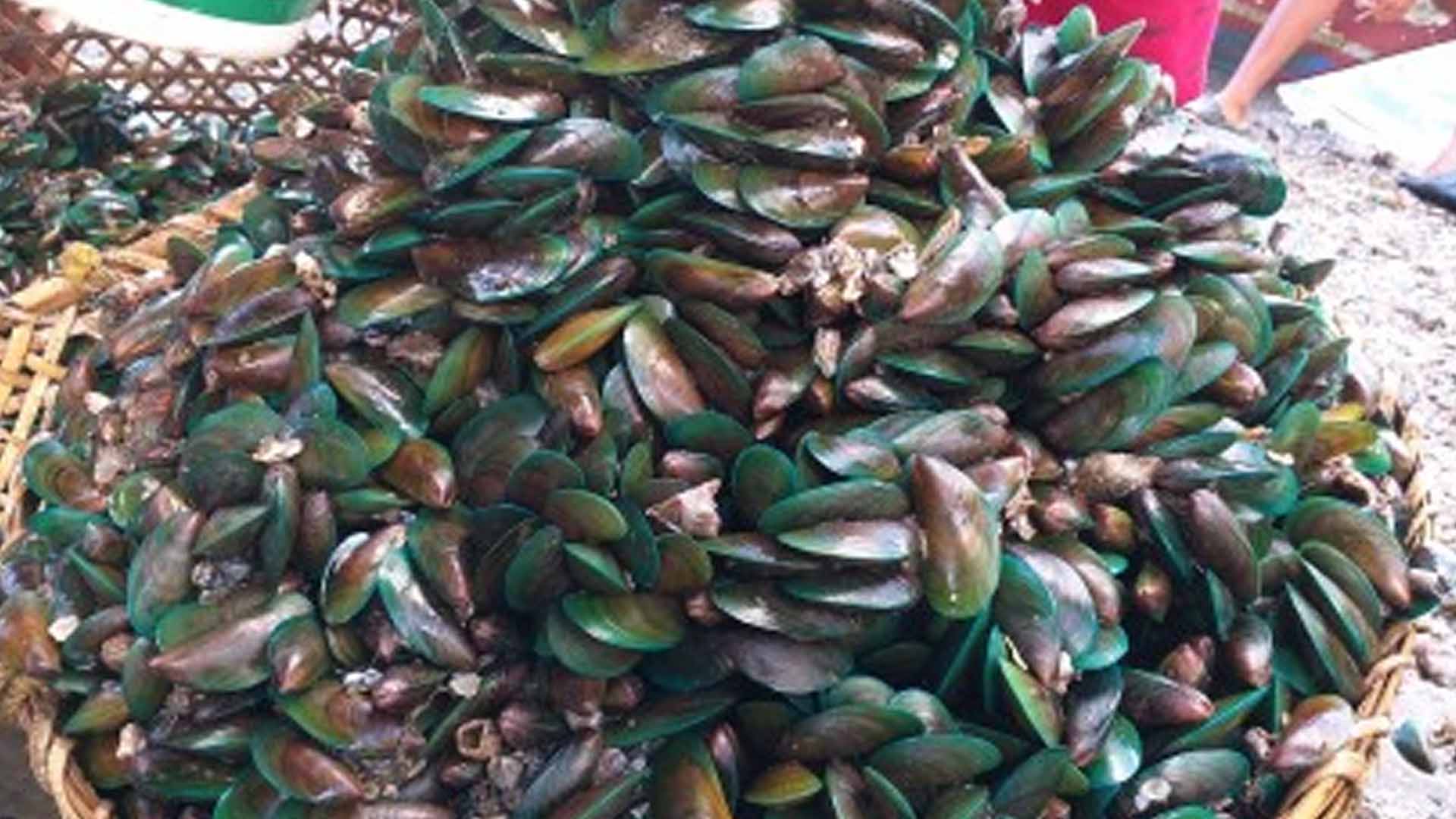






A shellfish ban is up in five bays in Eastern Visayas as red tide toxins plagued coastal waters, the Bureau of Fisheries and Aquatic Resources (BFAR) said.
In its alert issued Tuesday, BFAR informed the public that red tide toxins were found in Cancabato Bay in Tacloban City; San Pedro Bay in Basey and Marabut, Samar; Silanga and Irong-irong Bays in Catbalogan, Samar; and Matarinao Bay stretching across the towns of General MacArthur, Hernani, Quinapondan, and Salcedo in Eastern Samar.
Through initial tests, BFAR found the red tide toxins present in both seawater and shellfish meat beyond the regulatory limit, said BFAR Regional Director Juan Albaladejo in a phone interview.
The maximum regulatory limit of toxins is 60 micrograms for every 100 grams of shellfish meat. Above that, the government strictly prohibits shellfish harvesting in affected areas.
“To safeguard human lives, we are issuing this warning as precautionary advice to the public to refrain from gathering, selling, and eating all types of shellfishes,” Albaladejo said.
The fisheries bureau also banned the trading and consumption of Acetes sp. locally known as “alamang” harvested from the bay to avoid possible shellfish poisoning.
Local government units are advised to regulate gathering, marketing and transporting of shellfish in infested areas.
Fish, squid, shrimp, and crab are safe to eat “provided that they are fresh and washed thoroughly and internal organs such as gills and intestines are removed before cooking”, BFAR said.
Red tide is a term used to describe a phenomenon where the water is discolored by high algal biomass or the concentration of algae.
Earlier, BFAR issued a stern warning against eating shellfish from red-tide affected bays in Eastern Visayas with the numerous social gatherings this holiday season.
The bureau noted that many cases of paralytic shellfish poisoning were recorded in December due to parties for the Christmas and New Year celebrations. (PNA)


