









Senate President Pro Tempore Panfilo Lacson is pushing a national roadmap to transform the Philippines into a globally competitive coffee producer and net exporter by 2035.
Lacson renewed his call on Friday for the passage of Senate Bill No. 1556, or the “Philippine National Coffee Industry Development Act of 2025,” which seeks to establish a comprehensive coffee industry development framework and create a Philippine Coffee Board.
“This measure seeks to establish a national framework that will accelerate the development of the coffee industry, create a National Coffee Board, strengthen every link of the value chain, improve the country’s competitiveness, and reduce our heavy reliance on imported coffee,” Lacson said in his bill.
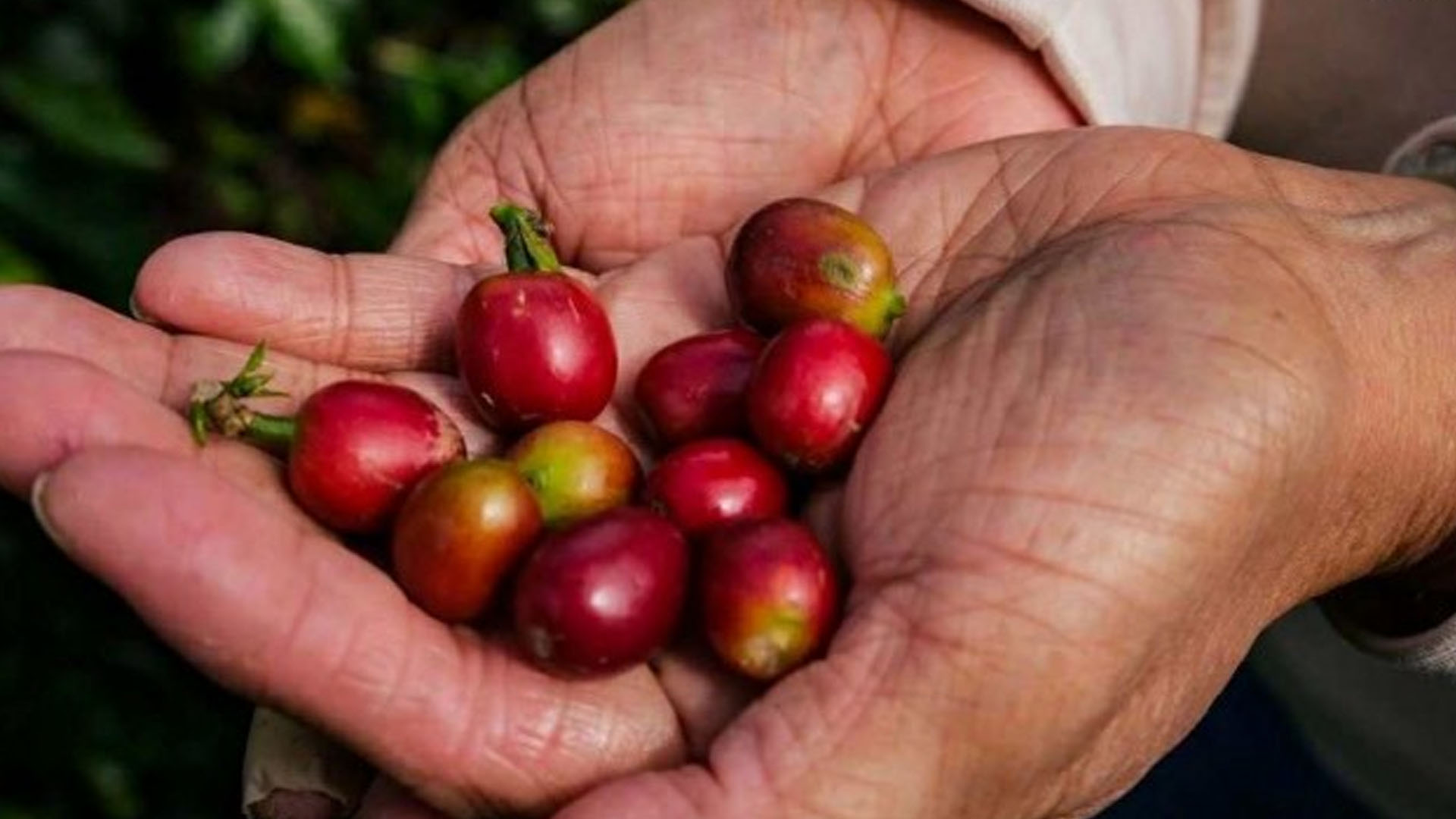
The measure aims to improve the livelihood of small coffee farmers, who operate about 95 percent of farms under 5 hectares, preserve and enhance local varieties such as Barako, Robusta, Arabica and Excelsa, promote climate-resilient production, and develop value-added processing capabilities.
Lacson said parts of the Visayas and Mindanao could be developed into viable plantation areas.
“As a matter of fact, some regions in Visayas and Mindanao may be suitable as coffee plantation areas. The DA needs to be empowered (and supported) by way of legislation. Vietnam is the second largest producer and exporter of coffee in the world next to Brazil,” he said.
He said coffee remains a staple in Filipino households, highlighting the need to meet domestic demand while pursuing export opportunities.
“Coffee is a regular part of a typical Filipino breakfast, lunch, dinner and afternoon meetings. Let’s develop our coffee industry not only for local consumption but to export. Hence, I filed Senate Bill 1556, establishing a Philippine national coffee industry development program,” Lacson added.
The push for a structured national program comes as global coffee producers continue expanding their presence in international markets, underscoring the need for the Philippines to strengthen its own competitiveness. (PNA)


