



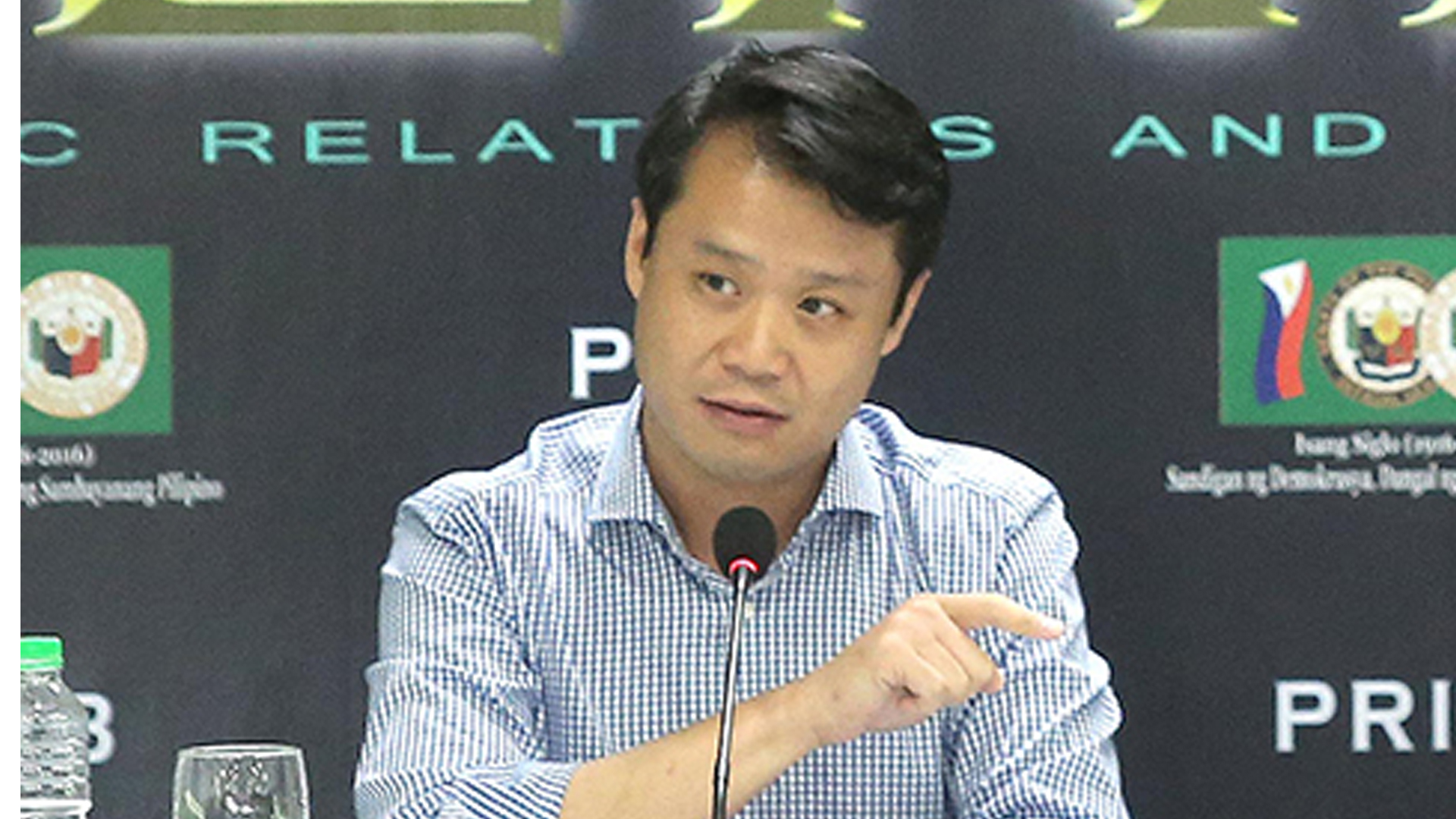






After the Philippine Informal Reading Inventory 2019’s (Phil-IRI) pre-test results revealed a big number of struggling readers in Bicol, Senator Win Gatchalian urged the Department of Education (DepEd) to closely work with local government units (LGUs) to enhance intervention programs for struggling readers and non-readers.
Phil-IRI is a classroom-based assessment tool that determines whether students’ reading and listening skills are appropriate to their grade level. According to Gatchalian, the results of the Phil-IRI should guide schools and LGUs to implement their intervention programs. To date, DepEd has not released the official nationwide results.
According to DepEd Undersecretary Nepomuceno Malaluan, it is difficult to release the results because the Phil-IRI is not standardized like the National Achievement Test (NAT). Hence, the data could not be used for analysis or guide policy implementation. For Gatchalian, however, it is a waste of time and resources to administer the Phil-IRI if it cannot guide future policies and interventions.
“DepEd should take Phil-IRI seriously. It should conduct a nationwide assessment and release the overall results”, said Gatchalian.
The recent Phil-IRI revealed that 20,857 students from Grades 4 to 6 in Bicol are struggling to read in English and 18,143 students from Grades 3 to 6 who took the Filipino test are struggling readers too. According to the DepEd Region 5, students in Grade 4 to 6 who took the English test are the same ones who took the Filipino exams.
“Mahalagang malaman natin ang kabuuang larawan pagdating sa kakayahan ng ating mga mag-aaral upang malaman natin kung paano ba natin maiaangat ang kanilang kakayahang magbasa. Matapos lumabas itong datos ng Phil-IRI sa Bicol, malinaw sa atin ngayon kung bakit kailangan natin ng reporma sa ating sistema ng edukasyon upang masigurong walang batang maiiwan,” stressed Gatchalian.
Gatchalian cited as a good practice Valenzuela’s “Summer Reading Camp,” a remedial program introduced in 2014 after the Phil-IRI results showed that 83 percent of the city’s students have difficulty reading. The “Summer Reading Camp” is a month-long intervention that aims to develop students’ reading comprehension and capability through four hours of remedial classes.
The first “Summer Reading Camp” had 18,736 participants from Grades 3 to 6. In 2016, the Development Academy of the Philippines (DAP) reported that the program helped 5,536 out of 6,375 non-readers in Valenzuela become instructional and independent readers.
The lawmaker also said that the Phil-IRI’s findings reinforce the urgency of enacting education reforms following the dismal results of the 2018 Programme for International Student Assessment (PISA). The triennial survey by the Organisation for Economic Co-Operation and Development (OECD) revealed that out of 79 countries, the Philippines ranked lowest in Reading Comprehension.


