



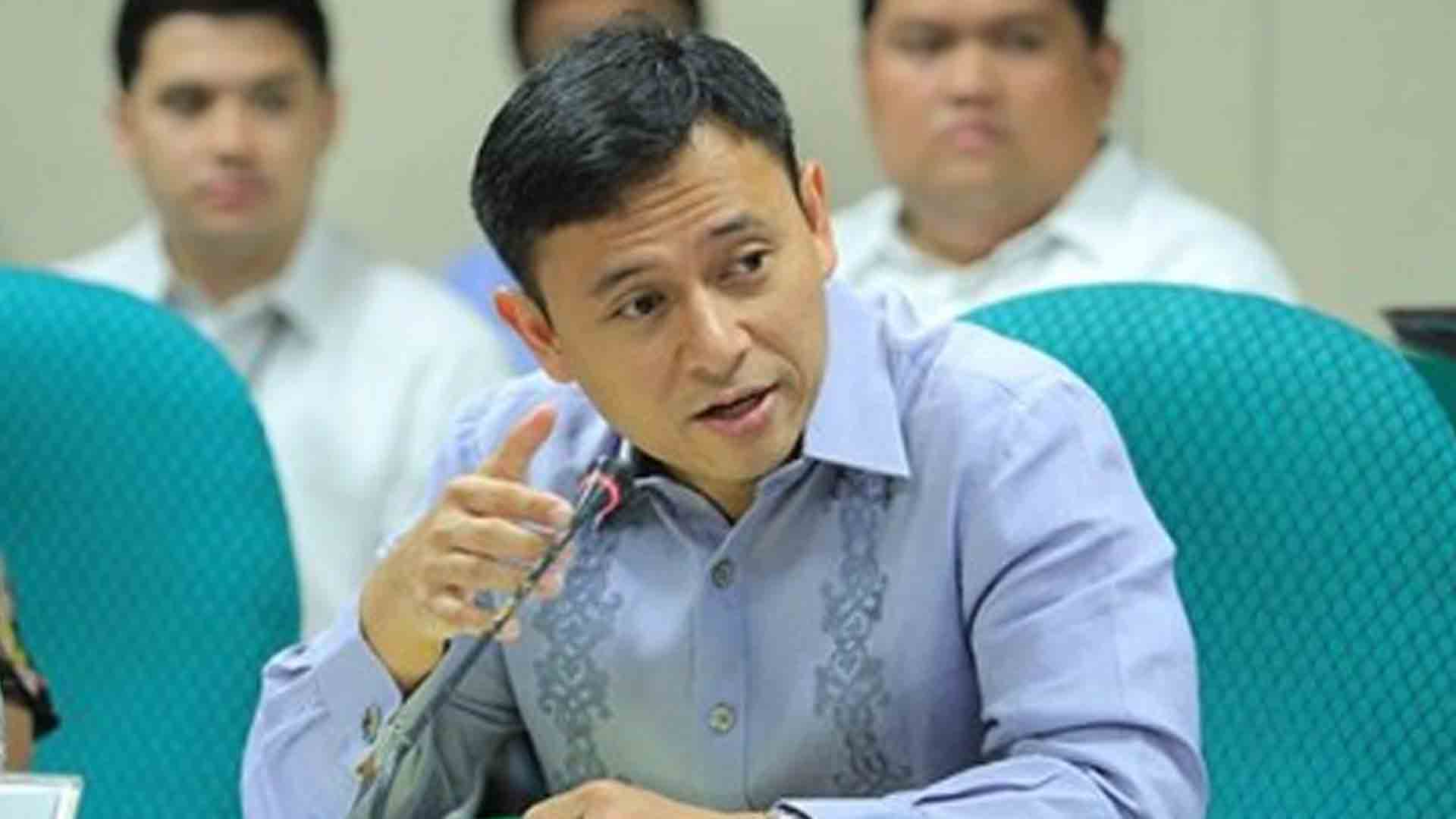






Senator Sonny Angara is pushing for the inclusion of pandemics, epidemics and other health emergencies in the subjects for primary and secondary schools in the country.
Angara noted that the experience of the Philippines with the coronavirus disease 2019 (Covid-19) pandemic, particularly on the behavior of many Filipinos in spite of the dangers on their health, leaves a lot to be desired.
There are constant reminders about wearing face masks, covering sneezes and coughs and physical distancing during the pandemic but many people still insist on ignoring these health protocols, and as such has contributed to the spread of cases in the country.
Angara said one of the ways to ensure that people behave properly whenever there is a health emergency is to educate them about the dos and don’ts while they are young.
“By educating our children on pandemics, epidemics and public health crises preparedness, we hope to influence behavior in order to prevent the spread of diseases and increase awareness on what to do and what to avoid whenever there is a pandemic,” Angara said.
Angara has filed Senate Bill 1674 mandating the inclusion of pandemics, epidemics and other public health crises as part of the curriculum of all primary and secondary schools, be it public or private.
Last March, the United Nations Children’s Fund (UNICEF) recommended a Covid-19 curriculum which included suggestions on how teachers can engage students of different ages on how to prevent and control the spread of the virus.
UNICEF stressed that any conversations or activities should always consider the specific needs of children, the guidance provided by the school and local and/or national authorities, and based on reputable sources such as UNICEF and the World Health Organization.
The Department of Education will be tasked to consult with the Department of Health, the National Disaster and Risk Reduction and other relevant public or private institutions in crafting the age and level-appropriate curriculum.
“By educating our students on the good health behavior such as covering coughs and sneezes, proper handwashing and social distancing, this will help ensure that such behavior is ingrained in each individual,” Angara said.
“If all members of society exhibit the proper health behavior whenever there is a pandemic such as Covid-19, this will allow the government to control the spread of the disease more effectively and help ease the burden that such health crises pose on the medical and health facilities and its workers,” he added. (PNA)


