



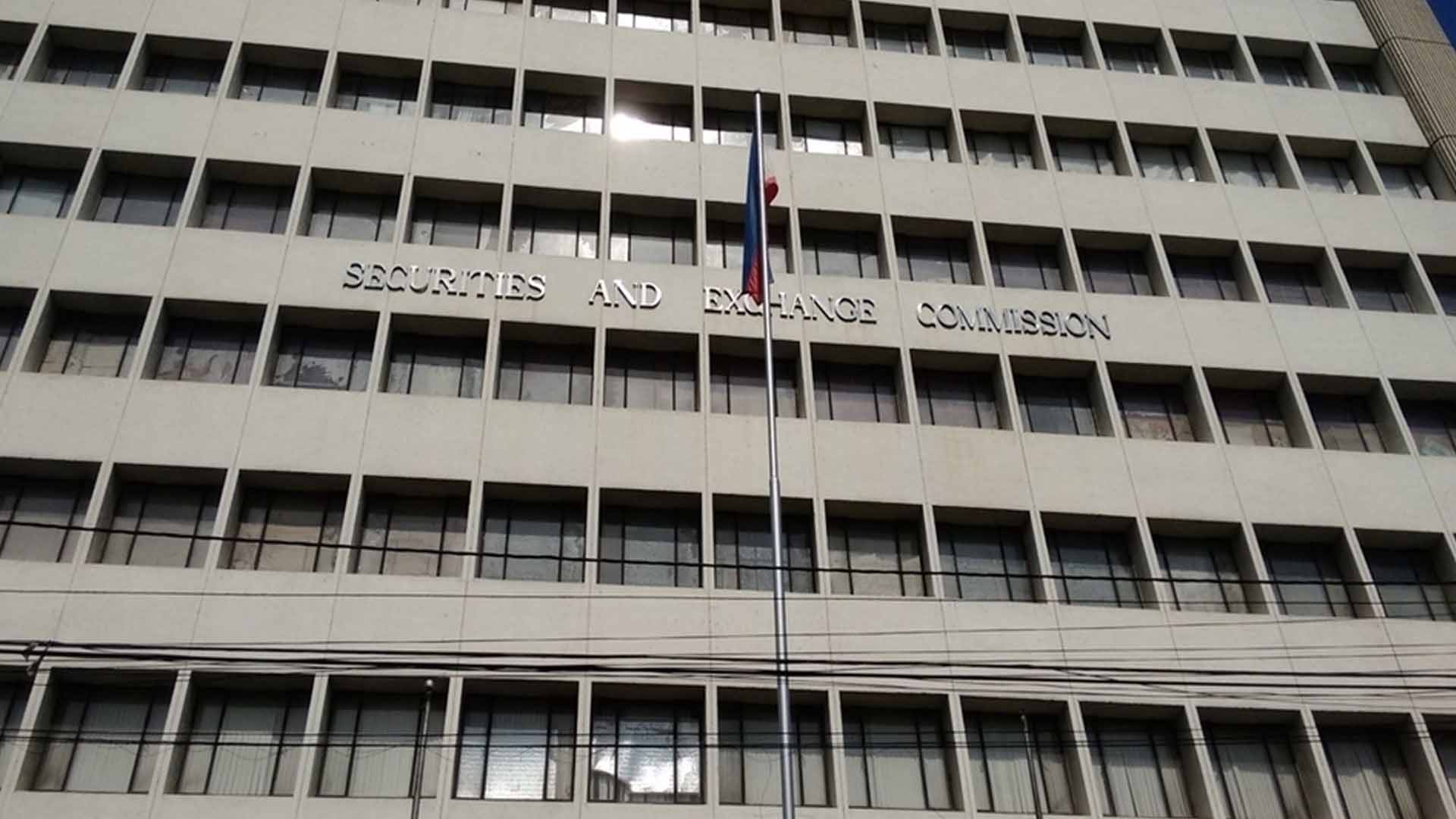






The Securities and Exchange Commission (SEC) has completed the final draft amendments to the implementing rules and regulations (IRR) of the Real Estate Investment Trust (REIT) law as it aims to launch the product early next year.
SEC Commissioner Ephyro Luis Amatong said the corporate regulator also has the listing rules and listing agreement of the Philippine Stock Exchange (PSE), and it is closely coordinating with the Department of Finance (DOF) to ensure regulations on the minimum float of REITs are aligned with the proposal coming from the SEC.
“We will continue to work on it until the end of the year, so maybe we can get it out sooner rather than later. And that’s really the preferred outcome,” he told reporters over the weekend. “Our goal is to get this done much earlier than the first half of next year.”
Amatong cited Bureau of Internal Revenue (BIR) rules wherein property developers, which are not yet at 66 percent in public float, have to escrow the tax they would have paid if they were not given a tax incentive under the REIT law.
“Right now, unless the BIR changes the revenue regulation to be in line with the proposed change in the SEC’s regulation lowering back the minimum public float requirement for REIT to 33 percent, there will be potential confusion among issuers,” he said.
Amatong said SEC has proposed changes to the law’s IRR, such as amendments to PSE listing rules and listing agreement, and accompanying changes in the revenue regulation.
“So what really will be the tax treatment of it? It is more of making sure that everyone is on the same page and the expectations are aligned across all of the agencies involved,” he added.
Passed by Congress in 2009, the REIT law did not take off in the country amid issues on public ownership and taxation on asset transfers.
A REIT is a publicly-listed stock corporation that owns income-generating real estate assets, such as malls, offices, and hotels. Envisioned to promote the development of the capital market, REITs are instruments to generate capital. (PNA)


