



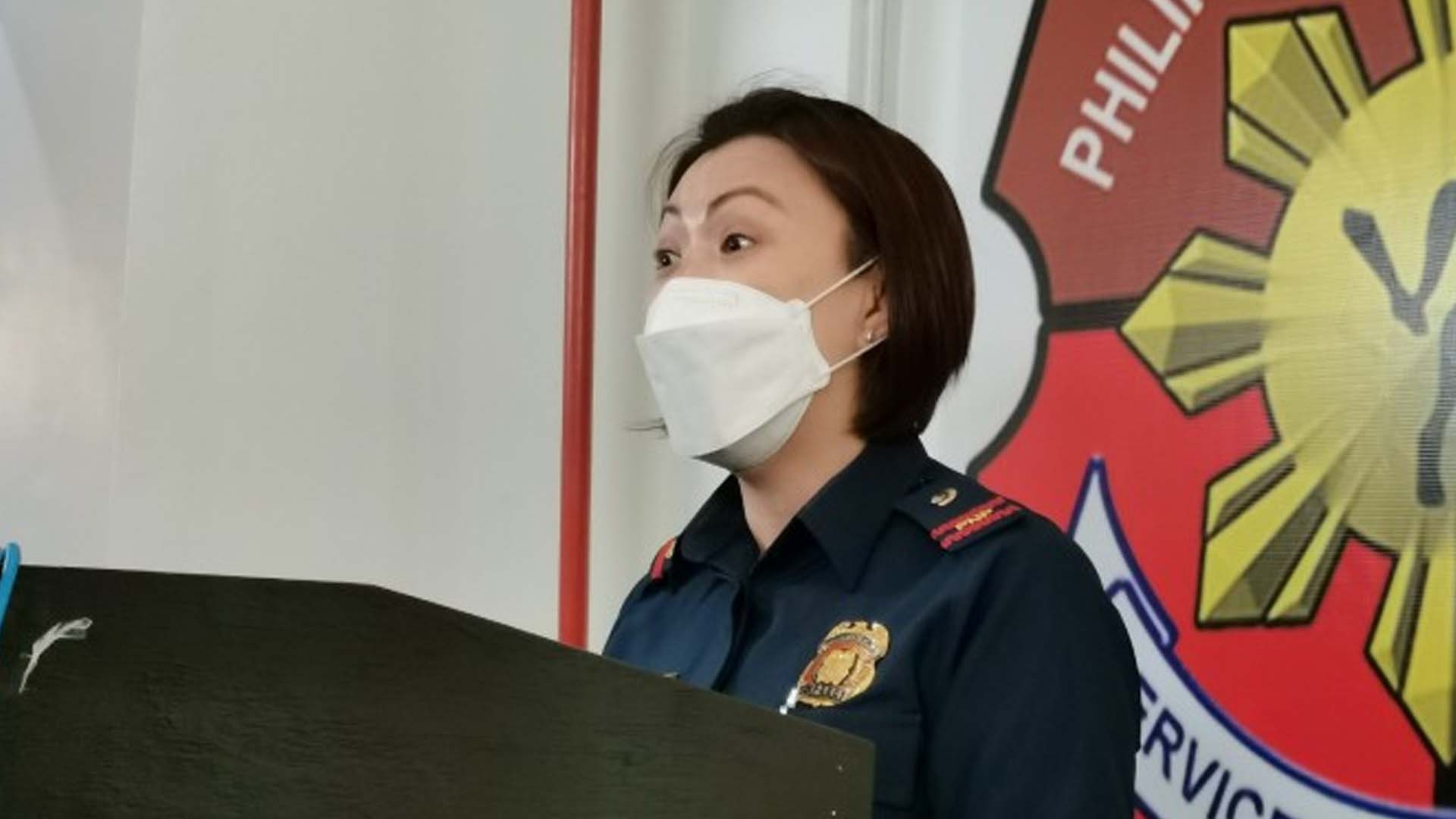






The Philippine National Police (PNP) – Anti Cybercrime Group on Thursday appealed to the public to simply disregard spam messages that they continuously receive.
This as fraudulent text alerts continue to proliferate despite a crackdown by the National Telecommunications Commission and the telecommunications firms.
PNP-ACG spokesperson Lt. Michelle Sabino said that the scammers continue with their activities because there are some people who still patronize them.
“Scammers, fraudsters send out messages in bulk, so it’s random, whoever gets affected o who would respond, he or she will become a victim,” Sabino said in a recent TV interview.
She said the only way for them to stop is if their scam is no longer profitable because nobody pays attention to it anymore.
Sabino said one of the best measures to prevent such scams is by registering their SIM cards.
However, there is still no law that mandates the registration of SIM cards in the country.
Sabino said this is the reason why investigators will always face a dead-end because scammers use prepaid cards that are difficult to trace.
“Even if we get the warrant to disclose computer data, magiging (it would be a) dead-end because we wouldn’t have the information and we need the identity of the person bago kami makapag-file ng case sa (before we can file a case in ) court,” she stressed.
Earlier, Sabino said the SIM (Subscriber Identity Module) Card Registration Act will not infringe on the privacy of subscribers and will only serve as an extra layer of protection against illegal activities perpetrated through the use of mobile phones
She added that the benefits of the law, especially in terms of unmasking perpetrators of illegal activities such as fraud, text scams, terrorism, obscene messages and disinformation, would outweigh the concerns of those who oppose its implementation.
Sabino said the law will also fast-track their efforts in solving cybercrimes.
“We can now immediately identify the perpetrator and then we can go about the process of investigating so we can gather more pieces of evidence. It will be faster for us because with the current set-up, we already know the number but it’s not enough, we need to identify the person behind it,” Sabino explained.
Last April, former president Rodrigo Duterte vetoed the SIM Card Registration bill due to the inclusion of social media providers in the registration requirement that was not part of the bill’s original version. (PNA)


