



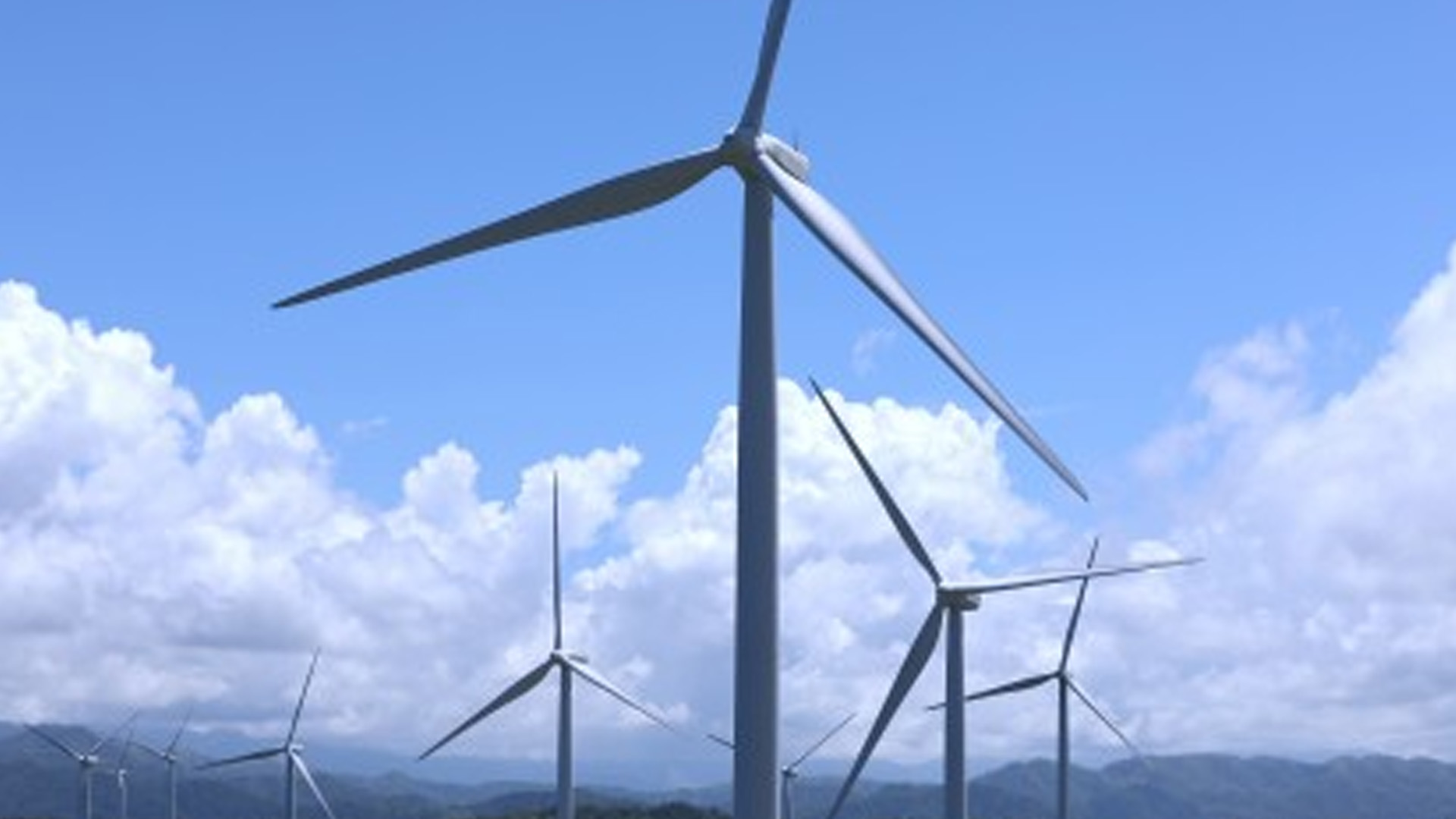







The downward trend in renewables’ share in the Philippines’ energy mix should be reversed as the ongoing geopolitical conflict across the globe will make the country exposed to volatile prices of coal and oil.
Developers of Renewable Energy for Advancement, Inc. (DREAM) president Jay Layug on Monday said the share of renewable energy in the installed generating capacity declined from a peak of 34 percent in 2009 to 29 percent in 2020.
Layug, who is also a former senior energy official, said the share in the power generation mix also decreased from a high of 32.6 percent in 2009 to 20.8 percent in 2019.
“We need to make sure that we reverse this trend. We need to put in more renewables because their cost is fixed, they are not reliant on international market prices, they are fixed for a period of time,” he said at the forum of the Economic Journalists Association of the Philippines at Ayuntamiento in Intramuros, Manila.
Layug said electricity prices from solar is currently at around PHP4 per kilowatt hour compared to the PHP9 per kWh from coal.
He added the wars in the Middle East and Ukraine, as well as the geopolitical tensions in the South China Sea, can affect and drive the prices of coal and oil, which fuel more than half of the country’s power generation facilities.
Layug said that since the effectivity of the Renewable Energy Act in 2009, some 2,699.79 megawatts of renewables were installed in the country with an estimated investment cost of PHP262.02 billion.
With the growing power requirement of 6 percent annually, Layug said the country can improve its energy self-sufficiency through facilitating investments in renewables.
He commended the Marcos administration’s clear policy on renewables after allowing full foreign ownership on renewable energy projects and issuing directives to facilitate offshore wind investments.
Aside from renewable energy resources such as solar, wind, geothermal and hydropower, Layug said the waste-to-energy bill in the Congress will encourage investments in biomass. (PNA)


