



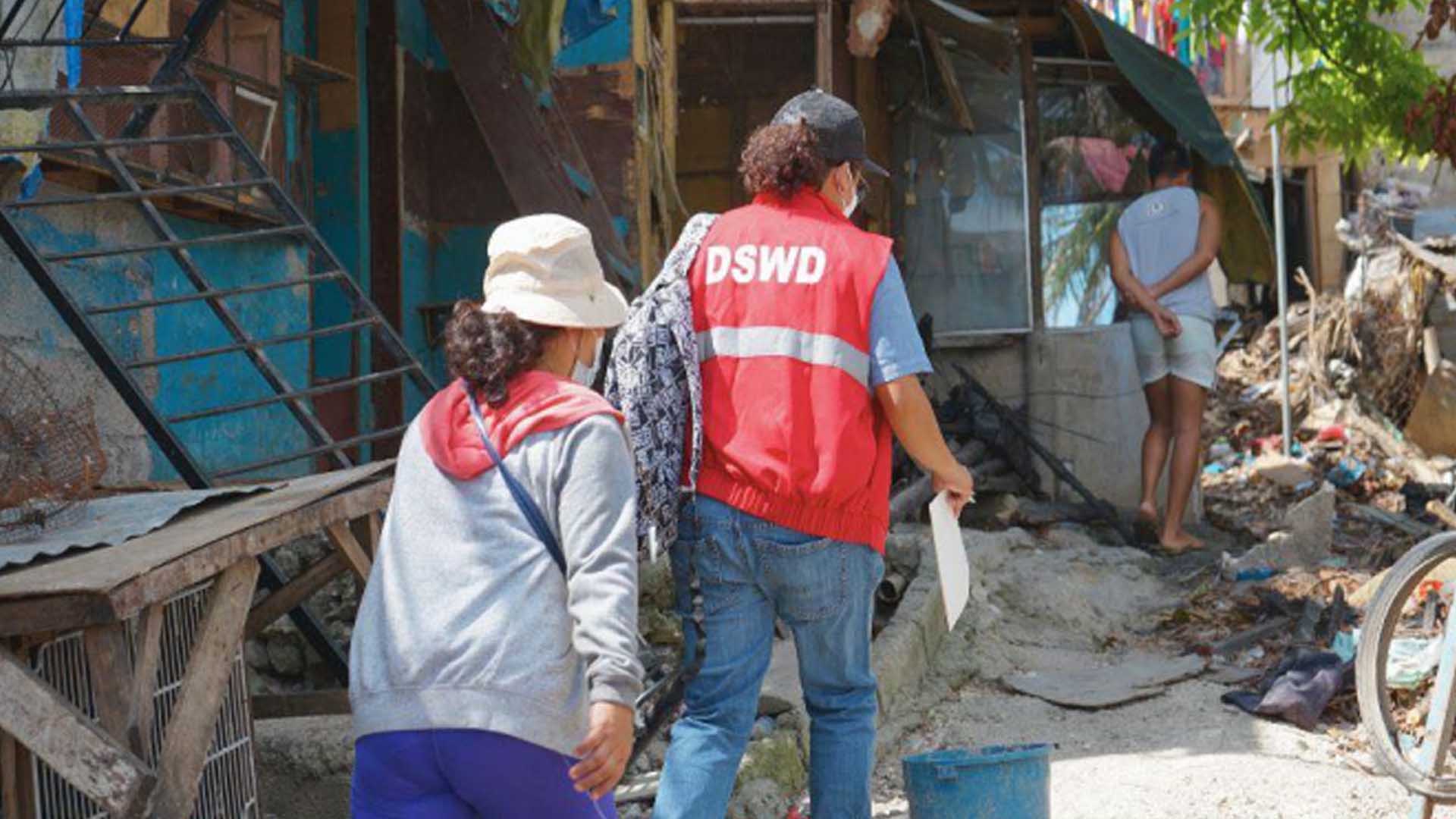






The Department of Social Welfare and Development (DSWD) will continue to fulfill its mandate to develop, implement and coordinate social protection and poverty-reduction solutions for the poor, vulnerable and disadvantaged, a senior official of the agency said on Thursday.
DSWD Assistant Secretary for External Assistance and Development Juan Carlo “JC” Marquez said social protection is among the top priorities in the proposed 2025 National Expenditure Program (NEP) which President Ferdinand R. Marcos Jr. approved on July 2.
“The DSWD, under the leadership of Secretary Rex Gatchalian, assures the public that our ongoing initiatives are in line with the priorities of the Marcos administration,” Marquez said during the weekly media forum at the DSWD central office in Quezon City.
Based on the President’s directives and policy guidance, social protection is among the administration’s priorities alongside food security, healthcare, housing, disaster resilience, infrastructure, digital connectivity, and energization.
Social protection is one of the expenditure priorities that are geared towards achieving the President’s 8-Point Socioeconomic Agenda and the Philippine Development Plan 2023-2028.
The NEP, once approved by both houses of Congress, will be known as the General Appropriations Bill (GAB) and will eventually become the General Appropriations Act (GAA) once signed into law.
Under the approved NEP amounting to PHP6.352 trillion, the DSWD’s proposed budget for 2025 is PHP229.3 billion.
Almost half of the DSWD 2025 budget goes to the Pantawid Pamilyang Pilipino Program (4Ps), the government’s flagship program for poverty alleviation that provides cash grants to household-beneficiaries to make them self-sufficient.
“Recently, we partnered with private agencies in digitizing the disbursement of cash grants to 4Ps beneficiaries and other social protection programs of the Department,” Marquez said.
Under the Human Capital Development, establishment and upgrading interoperable social registries and targeting systems for vulnerable sectors, and shifting to digital payments of cash transfer programs are some of the presented plans for social protection.
Marquez said achieving a universal, modern, and integrated social protection system, and developing and implementing adaptive and shock-responsive interventions are also included in the priorities under social protection.
“Once approved, this will benefit the qualified and compliant beneficiaries, ensuring that they will continue to receive their grants that will help them attain self-sufficiency and eventually break the intergenerational cycle of poverty in their families,” he said.
The DSWD is set to launch a dynamic social registry that aims to enhance the exchange of updated demographic and migration data, crucial for targeting and supporting vulnerable households. (PNA)