









The corporate farming program initiative of the provincial government here has increased yield production by 13.6 percent on average since it was piloted in the dry season cropping in 2022-2023, involving more land area and farmers.
From four cooperative associations or 101 farmers with 66.03 hectares of land, the program now has 54 associations or 1,448 farmers on board, expanding the covered land area to 1,272. 48 hectares by the end of wet season cropping in 2024, Rody Castro, consultant for agriculture and in charge of corporate farming, said in an interview on Tuesday.
The increased average yield production from 2022-2024 translated to 5.17 metric tons per hectare (MT/ha) from 4.55 MT/ha, he said.
Dry season cropping production in 2022-2023 increased by 12 percent or from 6.06 MT/ha to 6.78 MT/ha; while in 2023-2024, production yield increased by 14 percent or from 4.49 MT/ha to 5.10 MT/ha.
For the wet season cropping, production yield in 2022-2023 increased by 16 percent or from 3.71 MT/ha to 4.32 MT/ha; and in 2023-2024, by 13 percent or from 3.93 MT/ha to 4.46 MT/ha, resulting in an average yield production increase of 14.92 percent or from 3.82 MT/ha to 4.39 MT/ha.
Castro said the average production cost was reduced by 8.46 percent, or from PHP68,295/ha to PHP62,514/ha.
“Production cost before was PHP15 per one kilogram of palay, but now under corporate farming, it was reduced to PHP12.09 per one kilogram of palay,” he said.
Nonetheless, Castro admitted that they are still striving to lower the production cost for the farmers involved in the program so they could earn a higher income.
He said severe and successive weather disturbances last year during the wet season cropping affected the overall production.
“We hope to increase production to nine to 10 metric tons per hectare this year, but of course, it will depend on the weather as well,” he said.
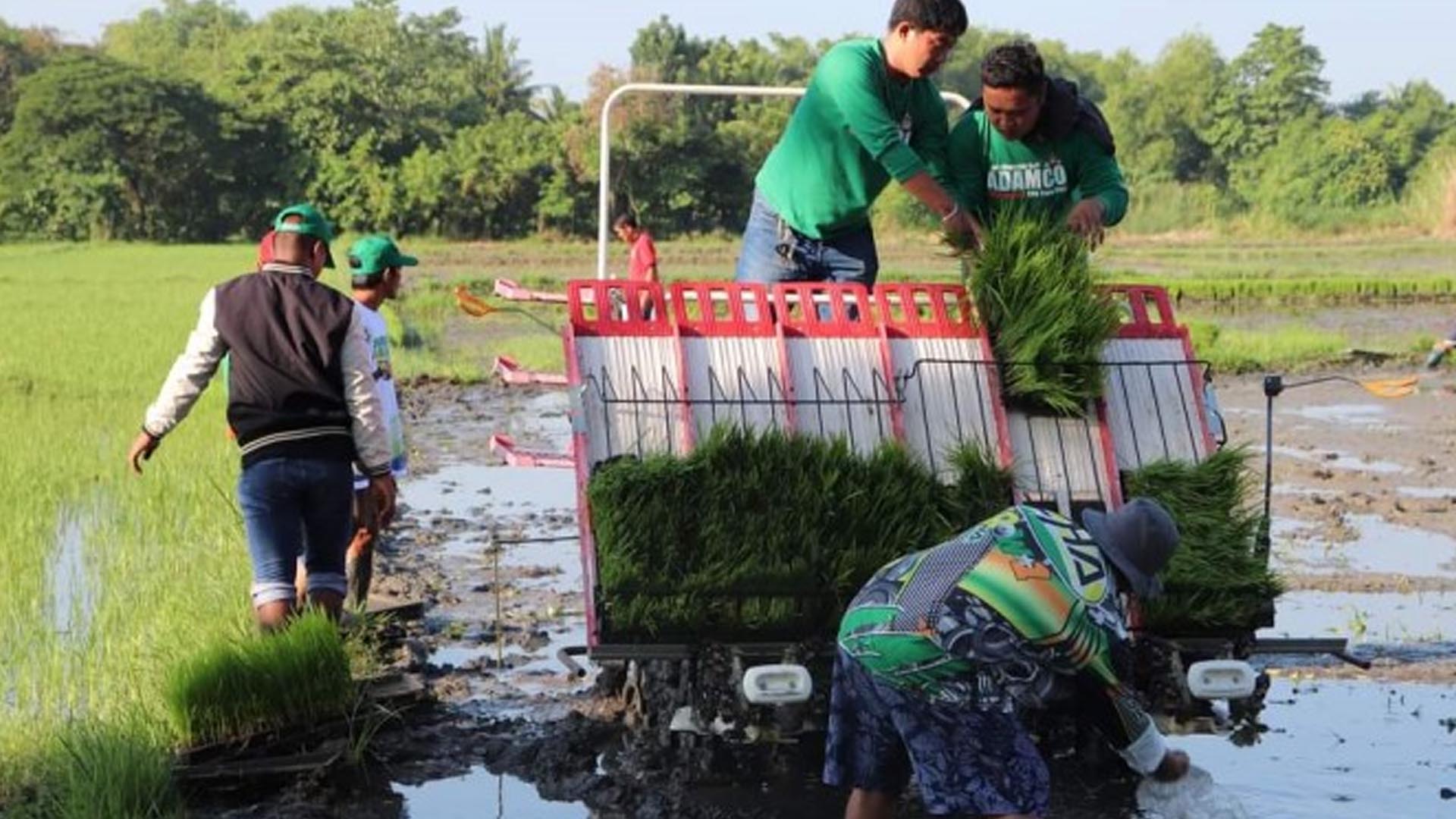
Under the corporate farming program, Castro said the farmers involved were taught the science of farming, including the application of fertilizers and the use of modern technology, among others.
“We have coordinated with the Department of Agriculture (DA) asking for soil laboratory mobile services to test the soils for proper application of fertilizers,” he said, adding that they also requested the DA for target drone and laser guided leveling.
Governor Ramon Guico III, in a recent interview, said the program aims to enhance the agricultural productivity of local farmers.
“The simple story about corporate farming is that because it is more cost efficient, higher yield per hectare is achieved with lower cost of production,” he said.
Corporate farming is a flagship program of the Guico administration, which aims to enhance food production and transform farming into a lucrative and sustainable economic enterprise through the so-called convergence approach among farmer cooperatives and associations, local government units, the DA and its attached agencies, different national government entities, private sector, and financial institutions.
It also aims to support the national government’s food sufficiency thrust. (PNA)


