



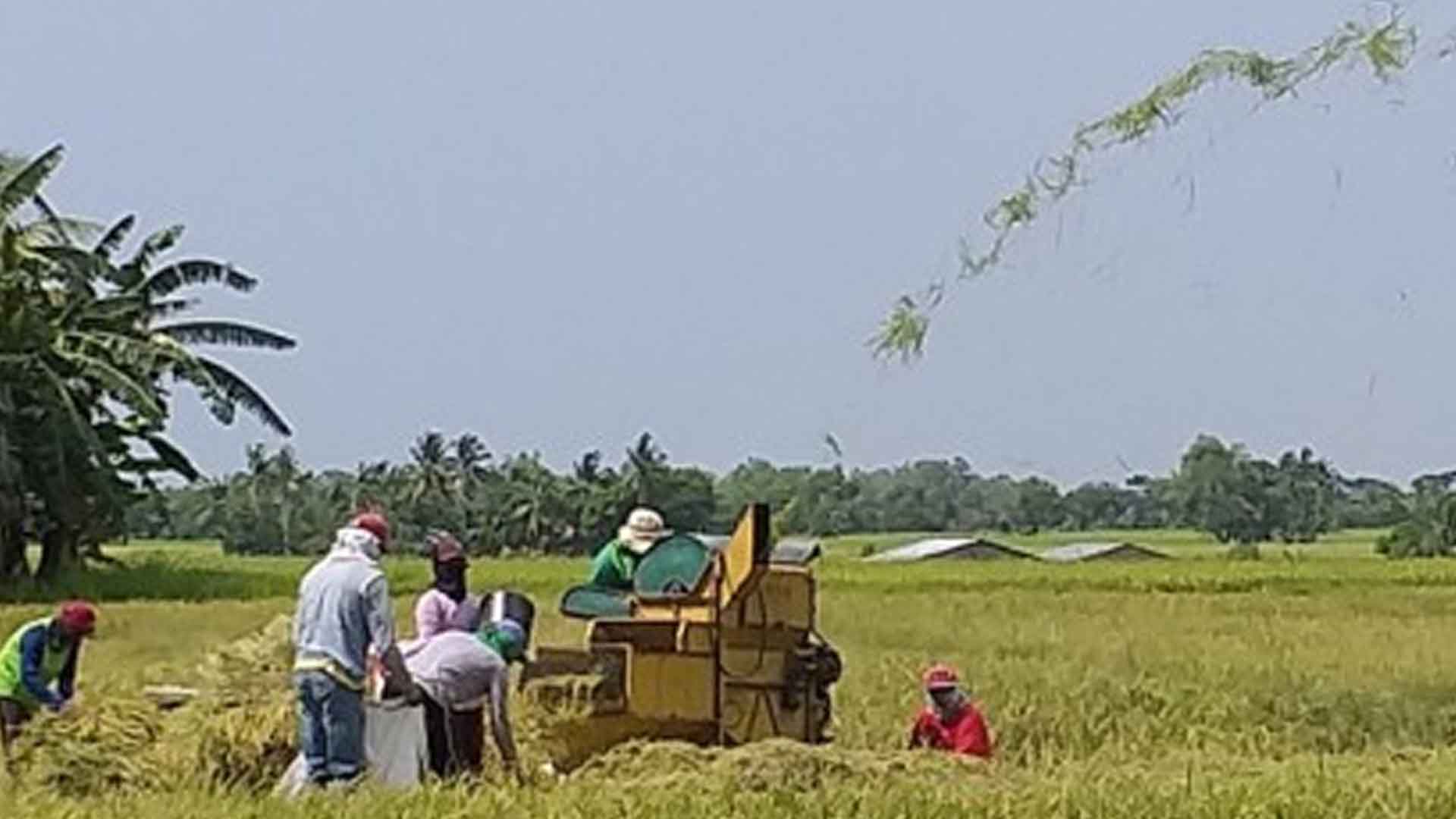






Palay production in Western Visayas increased by 12.15 percent in the first six months of 2020 amid the resiliency of rice farmers in the region, the Department of Agriculture (DA) in Region 6 (Western Visayas) said on Wednesday.
DA-6 Regional Director Remelyn Recoter said in a statement that despite the threats posed by the coronavirus disease (Covid-19) pandemic, the farmers manifested their dedication and commitment to provide sufficient, affordable and safe food for the people.
“Our farmers are situated in the rural areas. During the enhanced community quarantine period, movement and transportation were restricted but they still found enough time to monitor, supervise, and manage their rice lands,” she added.
Based on figures from the Philippine Statistics Authority (PSA), Western Visayas produced 753,832.24 metric tons (MT) from January to June this year compared to only 672,152.53 MT during the same period last year.
According to the DA-6, across all ecosystems, whether irrigated, rain-fed and upland, Iloilo had the highest production of 352,416.38 MT in the first six months.
Capiz is next with 179,345.01 MT followed by Negros Occidental, 107,821 MT; Aklan, 52,223.85 MT; Antique, 46,890 MT; and Guimaras, 15,136 MT.
Last year, Iloilo also ranked first with a six-month palay production of 298,376.53 MT.
Recoter said she is optimistic that with the interventions provided to farmers under the Rice Resiliency Program, Rice Competitiveness Enhancement Fund, and Regular Rice Program, particularly the distribution of seeds and fertilizer during the wet season, Western Visayas could play a big role in ensuring the rice sufficiency of the country for the year.
In 2019, Region 6 contributed 2.077 million MT or 11.04 percent to the 18.814 million MT national rice production in 2019.
Western Visayas is one of three regions with major contributions to the national palay production aside from Central Luzon and Cagayan Valley.
“I am happy that more rice farmers have planted hybrid, certified, and good seeds this season. I am also optimistic that they have applied appropriate fertilization with the free Urea fertilizer we gave to them,” Recoter said. (PNA)


